Most Durable House Siding A Comprehensive Guide
Most durable house siding sets the stage for a deep dive into the world of exterior home protection. From the initial selection of materials to the long-term maintenance, this guide provides a thorough exploration of the factors influencing the longevity of your home’s facade.
We’ll examine a range of siding options, including wood, vinyl, fiber cement, and metal, delving into their respective strengths and weaknesses. We’ll also analyze crucial environmental factors that impact durability, such as climate and UV exposure, along with the importance of proper installation. Ultimately, this guide aims to equip homeowners with the knowledge to choose and maintain the most durable siding for their specific needs and circumstances.
Introduction to Durable Siding Materials
Source: newulm-tx.com
Exterior siding plays a crucial role in a house’s longevity and aesthetic appeal. Choosing the right material is essential for maximizing its lifespan and minimizing long-term maintenance costs. The durability of siding is influenced by a variety of factors, from the material’s inherent properties to the installation process and environmental conditions. This discussion will explore various siding options, their strengths and weaknesses, and the factors that affect their longevity.
Understanding the diverse range of siding materials available is key to making an informed decision for your home. Different materials offer unique characteristics, influencing factors like cost, installation complexity, maintenance requirements, and, ultimately, the expected lifespan. This analysis provides a comprehensive overview to help homeowners select the most suitable siding for their specific needs.
Overview of Siding Materials
Various materials are used for house siding, each with its own set of advantages and disadvantages. Factors like cost, installation ease, maintenance demands, and the material’s resistance to weathering, pests, and fire are crucial considerations.
- Wood siding, a classic choice, offers a natural aesthetic but requires regular maintenance to prevent rot and insect infestations. Its longevity depends heavily on the species of wood used and the quality of the treatment applied. Properly treated wood siding can last for decades, but it may need repainting or refinishing every few years to maintain its appearance and durability. Examples include cedar, redwood, and pressure-treated lumber. These materials are susceptible to moisture damage, pests, and fire.
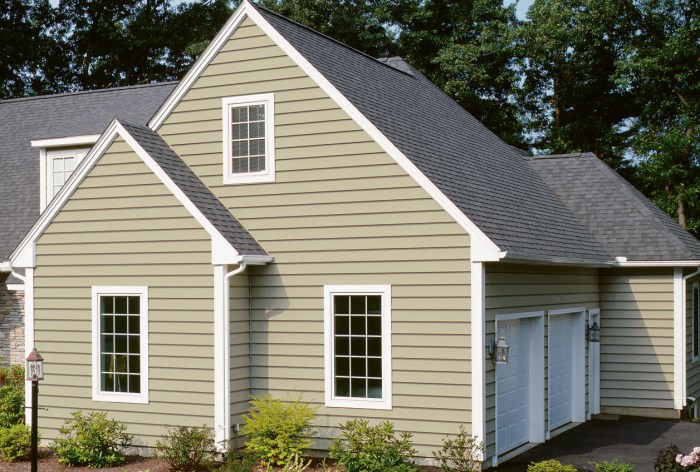
- Vinyl siding is a popular, low-maintenance option. Its resistance to rot, insect damage, and fading makes it a durable choice. Vinyl siding typically has a longer lifespan than wood siding, often lasting for 50 years or more with proper installation and care. However, it can be susceptible to damage from impact or extreme temperature changes. Its smooth surface can also be prone to discoloration over time if not properly maintained.
- Fiber cement siding is a composite material that combines cement with cellulose fibers. This provides exceptional durability, resistance to fire, and a long lifespan, often exceeding 50 years. It’s resistant to rot, insects, and most forms of weather damage, making it a strong contender for longevity. However, its installation can be more complex than vinyl or wood siding, and it might be more expensive initially. Fiber cement is a good option for areas with harsh weather conditions.
- Metal siding, often made of aluminum or steel, offers excellent durability and longevity. Metal siding can last for 50 years or more with proper installation and maintenance. Its resistance to rot, insects, and fire is significant. However, metal siding can be more expensive than other options and might require specialized installation to ensure proper water drainage. Some types of metal siding may require regular cleaning to prevent corrosion.
Factors Influencing Siding Durability
Several factors influence the overall durability of siding. The material’s inherent properties, the quality of the manufacturing process, and the environmental conditions it will face all play a role.
- Material Composition: The chemical makeup of the siding material significantly impacts its resistance to decay, insects, and weathering. For instance, vinyl’s resistance to moisture and insects contrasts with wood’s susceptibility to these issues. The quality of the cement and additives in fiber cement also affects its durability and resistance to fire.
- Manufacturing Processes: The methods used to create the siding material affect its uniformity, strength, and resistance to damage. Properly treated wood, for example, is less susceptible to decay than untreated wood. Similarly, the manufacturing processes for vinyl siding affect its thickness and overall structural integrity.
- Environmental Factors: Exposure to sunlight, moisture, temperature fluctuations, and wind can all impact the longevity of siding. Areas with high humidity or frequent rain may require siding materials with better moisture resistance. Extreme temperature variations can also affect the expansion and contraction of certain materials.
Comparative Analysis of Siding Materials
The table below provides a concise comparison of the key characteristics of various siding materials.
| Material | Cost | Installation | Maintenance | Lifespan |
|---|---|---|---|---|
| Wood | Moderate | Moderate | High | 20-30 years (with treatment) |
| Vinyl | Moderate | Low to Moderate | Low | 50+ years |
| Fiber Cement | High | Moderate | Low | 50+ years |
| Metal | High | Moderate to High | Low | 50+ years |
Factors Affecting Siding Durability
Source: njdiscountvinylsiding.com
Exterior siding, a crucial component of a house’s protective envelope, is susceptible to various environmental influences. Understanding these factors is paramount for homeowners seeking long-lasting and aesthetically pleasing homes. Durability isn’t solely dependent on the material; it’s a complex interplay of environmental conditions, material quality, and installation practices.
Environmental Factors Impacting Siding Longevity
Environmental factors significantly influence siding lifespan. Climate, particularly temperature fluctuations and precipitation patterns, play a crucial role. Exposure to extreme temperatures can cause material expansion and contraction, leading to cracking and deterioration. Similarly, excessive moisture can promote mold growth and rot, jeopardizing the siding’s structural integrity. Furthermore, prolonged exposure to ultraviolet (UV) radiation from sunlight causes material degradation, fading, and ultimately reduces the aesthetic appeal and structural integrity of the siding.
Material Quality and Manufacturing Processes
The quality of the siding material and the manufacturing processes directly affect its durability. High-quality materials are engineered to withstand the stresses of the environment. For instance, treated lumber resists rot and decay, while composite materials often possess superior UV resistance. Manufacturing processes, such as the application of protective coatings or the use of reinforced polymers, contribute to the material’s resilience against weathering and degradation. The adherence to industry standards and rigorous quality control procedures during manufacturing is essential in ensuring the longevity and performance of siding materials.
Proper Installation Techniques
Proper installation is critical for ensuring the siding’s long-term performance. Adherence to manufacturer specifications and employing qualified installers is essential. This includes ensuring proper substrate preparation, correct fastening techniques, and adequate sealing to prevent moisture intrusion. Correctly installed siding is less prone to damage from weather elements and extends the siding’s life significantly. For example, using appropriate fasteners for the specific siding material and ensuring proper spacing between fasteners prevents cracking and other structural failures.
Potential Damage to Siding Materials
| Siding Material | Climate (Temperature Fluctuation) | Moisture (Rain, Snow, Humidity) | UV Exposure (Sunlight) | Wind Damage |
|---|---|---|---|---|
| Vinyl | Expansion/contraction, potential cracking | Water absorption, mold growth, and potential warping | Fading, discoloration | Potential for damage from high winds |
| Wood | Expansion/contraction, warping, splitting | Rot, mold, decay | Fading, discoloration, weakening | Potential for damage from high winds |
| Fiber Cement | Minimal expansion/contraction, generally resistant | Limited moisture absorption, resistant to rot and mold | Limited fading, relatively resistant | Potential for damage from high winds |
| Metal | Expansion/contraction, potential for rust if not treated | Limited moisture absorption, less prone to rot and mold | Minimal fading, generally resistant | Potential for damage from high winds |
Maintenance Strategies for Enhanced Durability
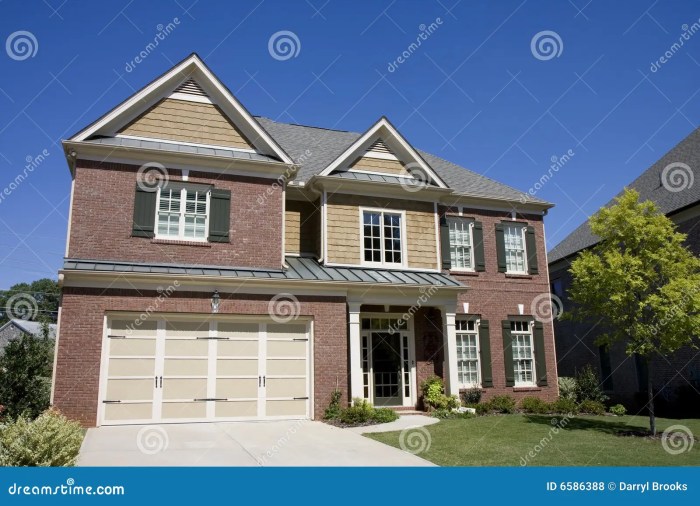
Source: dreamstime.com
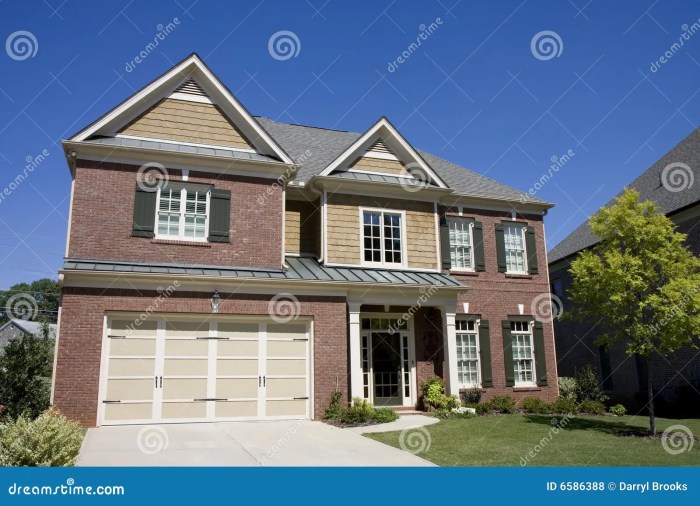
Proper maintenance is crucial for extending the lifespan of any siding material. Regular inspections and preventative measures not only protect the siding’s aesthetic appeal but also significantly reduce the need for costly repairs and replacements. By proactively addressing potential issues, homeowners can maintain the structural integrity and value of their homes.
Effective maintenance goes beyond simply keeping the siding clean. It encompasses a comprehensive approach to identifying and mitigating risks, from minor imperfections to significant structural damage. This proactive strategy often translates to substantial savings in the long run.
Regular Inspections and Preventive Measures
Regular visual inspections are essential for early detection of potential problems. This proactive approach allows for prompt intervention, preventing minor issues from escalating into major, costly repairs. Inspecting the siding for signs of damage, such as cracks, gaps, or loose fasteners, is critical. These inspections should be performed at least twice a year, more frequently in areas prone to harsh weather conditions or high-impact situations. Prompt attention to these details can prevent significant damage and ensure the longevity of the siding material.
Cleaning and Sealing Methods
Proper cleaning and sealing procedures are vital for maintaining the siding’s integrity and appearance. These methods vary depending on the specific siding material.
- Vinyl Siding: Use mild dish soap and water for cleaning. Avoid harsh chemicals or abrasive scrubbers that can scratch the surface. Regular sealing with a high-quality vinyl siding sealant can further protect against moisture damage and fading.
- Wood Siding: Use a soft-bristled brush and a mild soap and water solution for cleaning. Avoid excessive water, as it can lead to rot or warping. Periodic treatments with wood sealant or stain will protect the wood from moisture and decay.
- Fiber Cement Siding: Use a garden hose or pressure washer with a low-pressure setting for cleaning. Avoid using abrasive cleaners or strong detergents that could damage the surface. A sealant can be used to improve water resistance.
- Metal Siding: Use a mild soap and water solution for cleaning. Use a soft cloth or brush. For more stubborn stains, a gentle detergent or specialized metal cleaner can be used. Metal siding is usually resistant to moisture, but a sealant can be used to enhance its performance.
Step-by-Step Guide to Inspecting and Maintaining Siding
This guide provides a systematic approach to inspecting and maintaining your siding, ensuring its longevity and aesthetic appeal.
- Visual Inspection (Twice Yearly): Thoroughly examine the siding for any signs of damage, such as cracks, gaps, loose fasteners, or discoloration. Note any areas of concern.
- Cleaning (As Needed): Use appropriate cleaning methods for your siding type, as outlined in the previous section. Ensure the cleaning solution is compatible with the siding material to avoid damage.
- Sealing (Annually or as Needed): Apply sealant to all seams and joints to prevent moisture penetration and improve the siding’s water resistance. Pay special attention to areas prone to water accumulation.
- Repairing Damage (Immediately): Address any identified damage promptly. Minor cracks can be filled with appropriate caulk or sealant, while larger issues may require professional repair or replacement.
- Record Keeping: Maintain a log of inspections, maintenance tasks, and repairs. This will help track the condition of your siding over time and identify potential long-term trends.
Comparing Different Durable Siding Options: Most Durable House Siding
Choosing the right siding material is crucial for a home’s long-term durability and aesthetic appeal. Different materials offer varying levels of performance, cost, and maintenance requirements. This section delves into the key characteristics of popular siding options, allowing homeowners to make informed decisions based on their specific needs and priorities.
Understanding the performance characteristics of various siding materials is essential for homeowners to make informed decisions. Factors such as resistance to weather damage, ease of maintenance, and cost-effectiveness play significant roles in the overall value of a home’s exterior.
Performance Comparison of Top Siding Materials
Different siding materials exhibit varying degrees of resistance to moisture, temperature fluctuations, and impact damage. Their respective strengths and weaknesses should be carefully considered.
| Siding Material | Durability | Cost | Maintenance | Environmental Impact |
|---|---|---|---|---|
| Vinyl | Excellent resistance to rot, insect damage, and moisture. Good impact resistance. | Generally moderate, often competitively priced. | Low maintenance; typically requires occasional cleaning. | Recyclable, relatively low embodied energy. Production can involve some chemical use. |
| Fiber Cement | Exceptional durability against weather elements and pests. Very resistant to fire and rot. | Typically higher than vinyl, but lower than metal. | Requires occasional cleaning and minor repairs. | Moderate environmental impact due to manufacturing processes. Recyclable to a degree. |
| Metal (e.g., steel, aluminum) | Highly durable, resistant to rot, insects, and fire. Long lifespan. | Generally high, but can be offset by long-term cost savings. | Requires periodic cleaning and potential repainting or coating application. | Variable environmental impact depending on the metal type and manufacturing processes. Recyclable. |
Specific Siding Product Examples, Most durable house siding
Numerous manufacturers offer high-quality siding products. Examples of durable vinyl siding include CertainTeed vinyl siding, known for its wide range of colors and styles, and James Hardie’s fiber cement siding, renowned for its strength and resilience. CertainTeed also provides a selection of fiber cement siding options, offering comparable durability to other brands. Certain manufacturers offer specialized metal siding options that highlight their superior corrosion resistance, like those from CertainTeed and other well-established providers.
Durability Features of Specific Products
Manufacturers often highlight specific durability features in their siding products. For instance, CertainTeed vinyl siding frequently boasts enhanced resistance to fading and discoloration due to UV exposure. Fiber cement siding from James Hardie typically emphasizes its resistance to moisture and pest infestation. Metal siding, such as that from CertainTeed, often comes with warranties that reflect its anticipated lifespan and resilience to various weather conditions.
Environmental Impact and Sustainability
The environmental impact of different siding materials varies. Vinyl siding, often made with recycled content, generally has a lower embodied energy compared to fiber cement, while metal siding can be manufactured using recycled materials, which helps minimize environmental impact. Choosing recycled content and sustainably produced siding materials is a crucial step toward environmentally friendly building practices. It is also important to consider the lifecycle of the siding, from production to disposal.
Summary
In conclusion, selecting the most durable house siding is a multifaceted decision, requiring careful consideration of material properties, environmental factors, and long-term maintenance strategies. By understanding the comparative advantages and disadvantages of various siding options and their associated costs, homeowners can make informed choices aligned with their individual requirements. This guide has highlighted the key elements for ensuring a resilient and attractive exterior, safeguarding your investment for years to come.