Cost to Replace Hardie Board Siding A Comprehensive Guide
The cost to replace hardie board siding is a significant home improvement decision, impacting both your wallet and your home’s aesthetic. This guide delves into the factors that influence pricing, from material selection to labor costs and project complexity. Understanding these elements is crucial for homeowners planning this type of renovation.
We’ll explore various aspects, including material options, contractor selection, and project timelines. Estimating costs, navigating negotiations, and managing the entire process will be discussed in detail, empowering you to make informed choices. Whether you’re aiming for a simple refresh or a complete overhaul, this guide will be your reliable resource.
Factors Affecting Cost
Replacing Hardie board siding involves a range of factors that significantly impact the overall cost. Understanding these elements is crucial for homeowners to accurately assess and budget for the project. From material choices to labor costs and project complexities, a thorough analysis is necessary to ensure a sound financial plan.
Material Costs
Different types of Hardie board siding, along with alternative siding materials, contribute significantly to the replacement cost. The price of Hardie board varies depending on the specific type, thickness, and finish. Premium finishes and high-performance options will naturally command a higher price. Alternatives like vinyl siding, fiber cement, or wood siding each have their price points and associated installation complexities. For example, vinyl siding, while often less expensive upfront, may have a lower lifespan compared to Hardie board. This decision needs careful consideration.
House Size and Condition
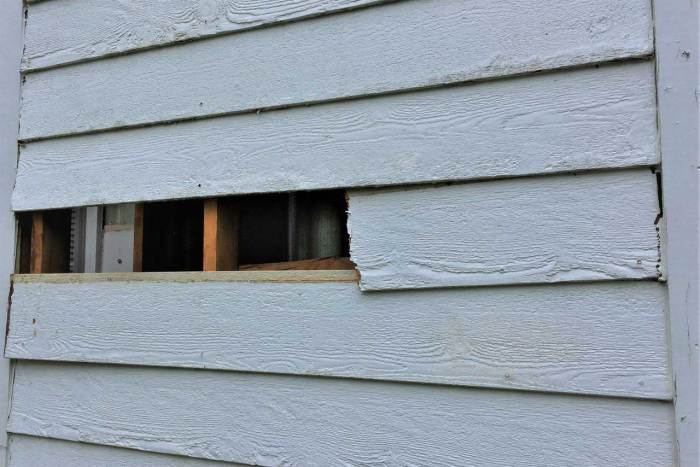
The size of the house, measured in square footage, is a primary determinant in the cost of replacement. Larger houses naturally require more materials and labor hours. The condition of the existing siding also plays a critical role. Extensive damage or deterioration may necessitate more extensive repairs or replacement, thus increasing the overall cost. For example, a house with significant rot or insect damage will require more extensive repairs and likely more labor, thus driving up the cost.
Geographic Location
Regional variations in labor costs and material availability significantly impact the cost of Hardie board siding replacement. Higher labor costs in metropolitan areas or specialized regions will increase the total project cost. Similarly, the availability of materials like Hardie board may influence the pricing and potential delays. For example, a location with limited access to Hardie board may result in higher costs due to transportation or potential supply chain issues.
Labor Costs
Skilled labor is essential for proper Hardie board siding installation. The cost of hiring skilled installers, including specialized crews or subcontractors, significantly affects the total budget. The demand for skilled labor in a given region can also influence the pricing. Consider the need for specialized tools or equipment and their associated costs. For instance, specialized equipment may be needed for certain types of siding or challenging installation locations, adding to the overall labor cost.
Project Complexity
The complexity of the project significantly impacts the overall cost. Accessibility issues, such as working on a multi-story home or in areas with limited access, can increase the labor cost. Similarly, structural considerations, like repairing existing framing issues or dealing with unique architectural elements, add to the complexity and cost. For example, a house with multiple levels or challenging rooflines will require specialized equipment or techniques, adding to the cost.
Average Replacement Costs by House Size
| House Size (sq ft) | Average Replacement Cost (USD) |
|---|---|
| 1,500 | $10,000 – $15,000 |
| 2,000 | $15,000 – $20,000 |
| 2,500 | $20,000 – $25,000 |
| 3,000 | $25,000 – $30,000 |
Note: These are approximate figures and can vary considerably based on the factors discussed previously.
Estimating the Cost
Accurately estimating the cost of replacing Hardie board siding is crucial for homeowners to prepare financially and avoid unpleasant surprises. This process involves meticulous planning, gathering accurate quotes, and understanding potential hidden expenses. A detailed approach helps ensure a transparent and fair project.
A comprehensive estimation process considers multiple factors, including the size of the house, the condition of the existing siding, the complexity of the job, and the chosen materials. Thorough research and clear communication with contractors are key to achieving an accurate cost estimate.
Step-by-Step Estimation Process
This structured approach guides homeowners through the process of estimating the cost of replacing their Hardie board siding. It involves several key steps that need to be carefully considered.
- Detailed Measurement: Precise measurements of the entire exterior wall area requiring siding replacement are vital. This includes determining the square footage of the house, accounting for windows and doors. Using a measuring tape, a level, and a calculator to calculate square footage is crucial. This step helps to avoid over- or under-estimating the project’s scope and subsequent cost.
- Material Selection: Choosing the type of Hardie board siding, including different colors and finishes, influences the cost. Consider the long-term aesthetics and maintenance needs. Homeowners should compare different material options and their respective costs to make informed decisions.
- Contractor Quotes: Seek quotes from multiple qualified contractors. This ensures a range of pricing options and insights into different approaches. The quotes should specify all labor and material costs, including any additional expenses.
- Hidden Cost Evaluation: Factor in potential hidden costs, such as permits, inspections, and disposal of old materials. These costs can significantly impact the final project budget.
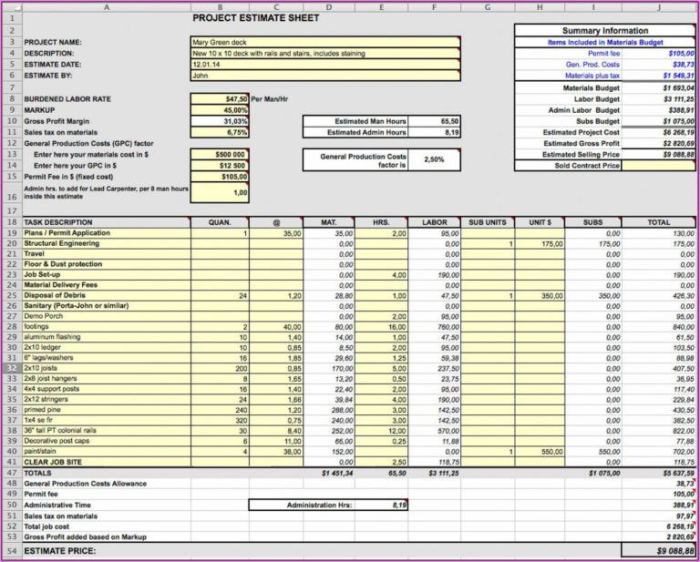
- Detailed Cost Breakdown: Create a comprehensive cost breakdown sheet that includes all material and labor costs. This allows for clear visibility of all expenses and helps avoid surprises during the project.
Detailed Cost Breakdown Sheet Template
A structured template helps organize the various cost components. It ensures a clear overview of all expenses associated with the siding replacement project.
| Item | Description | Quantity | Unit Cost | Total Cost |
|---|---|---|---|---|
| Hardie Board Siding | Specific type and color | Square Feet | $/sq ft | $ |
| Labor | Installation by a contractor | Hours | $/hour | $ |
| Permits | Building permits and inspections | N/A | $ | $ |
| Disposal | Removal of old siding | N/A | $ | $ |
| Other | Insurance, contingency, etc. | N/A | $ | $ |
| Total | $ |
Obtaining Accurate Material Quotes
Obtaining accurate material quotes from suppliers is essential. This involves comparing prices, availability, and lead times. A variety of online and local suppliers can provide detailed quotes, with specifications of the chosen Hardie board.
- Supplier Comparison: Request quotes from multiple suppliers, comparing pricing, quality, and delivery times. A detailed comparison table helps identify the best deal.
- Material Specifications: Request detailed specifications, including warranties, material certifications, and dimensional data. This ensures clarity and accuracy in the quote.
- Lead Times: Inquire about lead times for material delivery to ensure a smooth project timeline. This should be factored into the overall project schedule.
Contractor Estimate Questions
Asking pertinent questions during the contractor estimation process ensures a fair and accurate quote. This helps to assess the contractor’s expertise and experience.
- Experience and Qualifications: Inquire about the contractor’s experience with Hardie board siding installation, their certifications, and relevant licenses.
- Project Timeline: Request a detailed project timeline, including start and completion dates. This helps in coordinating the project.
- Warranty and Guarantees: Ask about warranties and guarantees offered on both materials and labor. A well-defined warranty ensures protection for the homeowner.
- Payment Terms: Clarify payment terms and any associated fees. This prevents any disputes during the project.
Contractor Bidding Methods
Understanding different contractor bidding methods is essential. This helps homeowners make informed decisions and compare proposals.
- Fixed-Price Bids: Contractors provide a set price for the entire project. This method offers certainty, but may not account for unforeseen circumstances.
- Time and Materials Bids: Contractors charge based on the time spent and materials used. This method can be more flexible but may lead to higher costs.
Material Cost Comparison
Different Hardie board siding options can significantly affect the project cost. The table below provides a sample comparison of potential costs.
| Material Choice | Estimated Cost per Square Foot |
|---|---|
| Standard Hardie Board Siding | $5- $10 |
| Premium Hardie Board Siding | $10- $15 |
| Custom Hardie Board Siding | $15- $25+ |
Hidden Costs
Homeowners should factor in potential hidden costs. These can include permits, inspections, and disposal fees. Accurately calculating these costs ensures a realistic budget.
- Permits and Inspections: These are typically required by local building codes and vary by location. The cost of these permits and inspections should be factored into the project budget.
- Disposal of Old Materials: Proper disposal of old siding is necessary. The cost of removal and disposal should be included in the overall estimate.
Contractor Selection and Negotiation
Choosing the right contractor for your Hardie board siding replacement is crucial for a successful and cost-effective project. A poorly chosen contractor can lead to subpar work, costly delays, and ultimately, a less-than-satisfactory outcome. Thorough research, careful evaluation, and a strategic negotiation approach are key to ensuring you get the best possible value for your investment.
Key Criteria for Selecting a Qualified Contractor, Cost to replace Hardie board siding
Selecting a qualified contractor involves more than just the lowest bid. Essential criteria include verifiable experience, positive customer reviews, appropriate licensing and insurance, and a demonstrated understanding of Hardie board installation procedures. A contractor with a proven track record of completing similar projects successfully is preferable to a newcomer. Inquire about their experience working with Hardie board siding, and if possible, request references from previous clients.
Pitfalls to Avoid When Hiring a Contractor
Several pitfalls can lead to problems with your siding replacement project. Avoid contractors who pressure you into making quick decisions or who offer unrealistic pricing. Be wary of contractors who don’t provide detailed proposals or who seem hesitant to answer your questions. A reputable contractor will be transparent, provide clear communication, and proactively address any concerns you raise. Always get multiple bids and compare them carefully before making a decision.
Requesting and Comparing Bids
Requesting bids is a vital step in ensuring you receive the most competitive pricing. Ensure that bids include a detailed scope of work, specifying materials, labor, and any potential add-ons or extras. Compare bids meticulously, considering not just the total cost but also the quality of materials and the reputation of the contractor. Pay close attention to any hidden costs or extra charges that might not be immediately apparent. A well-structured bid will provide clarity and transparency in the project’s financial aspects.
Negotiating Fair Pricing with Contractors
Negotiating pricing is a normal part of the process. A professional contractor will be receptive to reasonable discussions about pricing, and you should be prepared to present your perspective. If the initial bid seems too high, clearly explain your concerns and request further clarification on specific aspects of the work. While aggressive negotiation isn’t necessary, maintaining a confident and informed position will help ensure a fair price.
Examples of Common Contractor Scams
Be aware of common contractor scams, such as those involving hidden fees, unrealistic timelines, or the request for upfront payments exceeding a reasonable amount. Be wary of contractors who use high-pressure sales tactics or fail to provide necessary documentation. A reputable contractor will be upfront about the project’s costs and timeline and will not require large upfront payments. Research the contractor thoroughly and be wary of anything that feels too good to be true.
Essential Questions to Ask Potential Contractors
Thorough questioning is essential to gauge a contractor’s competence and reliability.
| Question Category | Example Questions |
|---|---|
| Experience & Qualifications | “How many years of experience do you have with Hardie board siding installation?”, “Can you provide references from previous clients who have used your services?”, “What is your company’s licensing and insurance information?” |
| Project Details | “What specific materials will you use for the siding?”, “What is your estimated timeframe for completing the project?”, “What is your process for handling potential weather delays?” |
| Pricing & Payment | “Can you provide a detailed breakdown of the costs?”, “What are your payment terms?”, “Are there any hidden fees or extra charges?” |
Evaluating Contractor Experience and Reputation
Evaluating contractor experience and reputation involves researching their online presence, checking for reviews on platforms like Yelp or Angie’s List, and contacting previous clients for testimonials. Reading reviews and contacting past clients can offer valuable insight into the contractor’s reliability, quality of work, and customer service. Look for patterns in reviews, and if there are negative reviews, investigate them further to get a balanced perspective.
Materials and Products
Choosing the right Hardie board siding involves understanding the various options available and their associated costs. Different types of Hardie board offer varying levels of durability and aesthetic appeal, which significantly impact the overall project cost. Beyond Hardie board, alternative siding materials can offer attractive alternatives with different performance characteristics. This section will delve into the nuances of Hardie board types, alternative materials, and their respective installation techniques.
Understanding the different Hardie board siding options, their pros and cons, and the associated costs is critical for making an informed decision. Comparing various siding materials, including their durability, lifespan, and cost, helps in selecting the most suitable option for a specific project. A crucial aspect is also understanding the different installation techniques and the appropriate fasteners and accessories to ensure a long-lasting and structurally sound installation.
Hardie Board Siding Options and Costs
Various Hardie board siding options exist, each with unique characteristics influencing the cost. Fiber cement siding, a core component of Hardie board, is available in various colors and textures, providing homeowners with aesthetic flexibility. The cost of Hardie board siding varies based on the specific type, size, and quantity required for the project.
- HardiePlank: This popular option is known for its natural wood-plank appearance, often used for mimicking traditional wood siding. It typically presents a higher cost point compared to other Hardie board options due to its detailed aesthetic and the material required for its manufacture.
- HardiePanel: This option provides a smooth, flat surface ideal for a clean, modern look. It is typically more affordable than HardiePlank due to its simpler design and less complex production process. The flat surface allows for greater efficiency in the installation process.
- HardieTrim: This option offers a wide range of profiles and sizes to complement the HardiePlank and HardiePanel siding. Its availability in various profiles enhances the visual appeal of the house. Its cost typically falls between HardiePlank and HardiePanel, depending on the profile and quantity.
Pros and Cons of Different Hardie Board Types
Different Hardie board types offer various advantages and disadvantages, impacting the project’s cost-effectiveness and longevity.
- HardiePlank: The plank-style design offers a natural wood look but may require more time and specialized expertise for installation. The cost reflects this increased complexity.
- HardiePanel: Its flat surface and easier installation make it more cost-effective than HardiePlank. However, it may not provide the same visual depth as the plank option.
- HardieTrim: Its versatility allows for a variety of design options, but the specific profile and quantity chosen will impact the overall cost. Proper selection is key to maintaining a cohesive aesthetic.
Alternative Siding Materials
Several alternative siding materials offer comparable or enhanced features compared to Hardie board.
- Vinyl Siding: A popular, cost-effective option known for its durability and low maintenance. Its affordability and ease of installation make it a competitive choice for homeowners on a budget.
- Wood Siding: Traditional wood siding offers a classic aesthetic but requires more maintenance and is prone to damage from moisture and pests. Higher initial cost may be offset by a certain perceived aesthetic value.
- Fiber Cement Siding (Beyond Hardie Board): Other brands and types of fiber cement siding are available, offering comparable performance characteristics to Hardie board, but at potentially varying price points.
Durability, Lifespan, and Cost Comparison
A comparative analysis of various siding materials aids in making an informed decision.
| Siding Type | Durability | Lifespan (Years) | Approximate Cost ($) |
|---|---|---|---|
| HardiePlank | High | 50+ | $10-$20/sq ft |
| HardiePanel | High | 50+ | $8-$15/sq ft |
| Vinyl Siding | Moderate | 20-30 | $5-$10/sq ft |
| Wood Siding | Moderate (with proper maintenance) | 20-40 | $8-$15/sq ft |
Installation Techniques
Understanding the various installation techniques is vital for ensuring a structurally sound and aesthetically pleasing final product.
- Hardie Board Installation: Properly adhering Hardie board siding to the underlying structure is crucial. This involves specific techniques for securing the boards and creating a watertight seal to prevent moisture damage. The installation technique is dependent on the chosen type of Hardie board.
- Vinyl Siding Installation: Vinyl siding installation typically involves fastening the panels directly to the existing framing or to a pre-installed sheathing system. The chosen installation method is often dictated by the existing house structure.
Fasteners and Accessories
Selecting the appropriate fasteners and accessories ensures a durable and long-lasting installation. The right fasteners and accessories are essential for a proper and secure installation, ensuring long-term stability and preventing potential issues.
- Fasteners: The specific fasteners (e.g., screws, nails) depend on the siding material and the underlying structure. Correct fastener selection is crucial for a structurally sound installation.
- Sealants: Using appropriate sealants is vital for creating a weather-resistant barrier, preventing moisture intrusion, and extending the siding’s lifespan.
Project Timeline and Management
A well-managed project timeline is crucial for the success of any Hardie board siding replacement. Proper scheduling and planning minimize potential delays, ensuring the project stays on track and within budget. Effective communication between the homeowner and contractor is vital for a smooth and efficient process.
Project timelines for Hardie board siding replacement projects typically range from a few days to several weeks, depending on the size of the property, the complexity of the job, and the availability of materials. This range encompasses a multitude of factors, making it impossible to provide a definitive timeframe without knowing specific details about the project.
Typical Project Timeframes
The timeframe for a Hardie board siding replacement project is significantly influenced by the scope of the work. A small, straightforward replacement on a single-story house might be completed in a week or two, while a larger project on a multi-story home with intricate details could extend to several weeks. Factors like weather conditions and material availability can also affect the schedule.
Importance of Scheduling and Project Planning
Detailed project planning ensures a clear understanding of tasks, responsibilities, and deadlines. This preemptive approach helps to avoid unforeseen issues and keeps the project moving forward efficiently. A well-defined project plan serves as a roadmap for the entire process, allowing everyone involved to stay on track and to proactively address potential challenges.
Sample Project Timeline
A typical sample project timeline for a moderate-sized home siding replacement might look like this:
- Week 1: Initial site visit, detailed assessment, material ordering, and contractor preparation. This is a critical week to ensure all the necessary steps are taken.
- Week 2: Demolition of existing siding, installation of new Hardie board siding, and initial inspections. This week focuses on the actual installation process.
- Week 3: Final inspections, cleanup, and finishing touches. This week ensures the job is completed to a high standard.
- Week 4: Final payment, project completion, and feedback collection. The finalization of the project and any feedback received are important to ensure customer satisfaction.
Common Delays and Mitigation Strategies
Delays in Hardie board siding replacement projects are common and often unavoidable. These delays can stem from various factors, such as material shortages, inclement weather, unforeseen structural issues, or unforeseen delays from the contractor’s team. Proactive planning and open communication can significantly reduce the impact of potential delays.
| Potential Project Delays | Mitigation Strategies |
|---|---|
| Material shortages | Ordering materials well in advance, establishing alternative sourcing options, and monitoring material availability throughout the project. |
| Inclement weather | Having a contingency plan for weather-related delays, such as postponing outdoor work until favorable conditions return. |
| Unforeseen structural issues | Conducting a thorough pre-installation inspection and obtaining necessary permits, or involving structural engineers to address any issues. |
| Contractor staffing issues | Select a reputable contractor with a proven track record of timely project completion and who has a backup plan if necessary. |
| Unforeseen complications during installation | Having a skilled team, conducting thorough inspections, and promptly addressing any emerging issues. |
Communication Strategies
Open and consistent communication between homeowners and contractors is essential for a successful project. This involves regular check-ins, updates on progress, and addressing any concerns promptly. Establishing a communication channel, such as email or a project management app, can streamline the exchange of information.
Tracking Project Progress and Expenses
Tracking project progress and expenses helps maintain control over the project. Homeowners can use project management software or spreadsheets to record tasks, milestones, and expenses. Regular progress reports from the contractor, combined with meticulous record-keeping by the homeowner, will help to stay informed and make adjustments as needed. This proactive approach allows for early identification of potential issues and adjustments.
Insurance and Financing: Cost To Replace Hardie Board Siding
Source: homedit.com
Homeowners often face significant costs when replacing their siding. Understanding the role of insurance and available financing options can alleviate some of this burden and ensure a smooth project execution. Proper planning and research are crucial to maximize coverage and minimize financial strain.
Homeowner’s Insurance Coverage for Siding Replacement
Homeowner’s insurance policies often include coverage for damage to the exterior of a home, including siding. However, the extent of coverage can vary significantly depending on the specific policy and the circumstances of the damage. Understanding your policy’s terms and conditions is vital to avoid surprises during the claim process.
Situations Where Insurance Coverage May Be Limited or Denied
Insurance companies may limit or deny coverage in certain situations. For example, if the damage is due to wear and tear or pre-existing conditions, coverage may be reduced or unavailable. Furthermore, if the damage results from a cause not explicitly covered in the policy, such as neglect or improper maintenance, the claim might be denied. Weather events, such as hailstorms, are frequently covered, but the extent of coverage often depends on the severity of the damage and the policy’s specific terms.
Financial Assistance Options for Siding Replacement
Several financial assistance options are available for homeowners facing the cost of siding replacement. These options may include grants, loans, and other financial incentives from local governments or non-profit organizations, tailored to specific circumstances. Some contractors may offer financing plans or partnerships with financial institutions to simplify the process for homeowners.
Financing Options for Siding Replacement Projects
Various financing options are available to assist with siding replacement costs. These may include home improvement loans, personal loans, or even lines of credit. Many lenders offer specialized home improvement loans with flexible terms and potentially lower interest rates. Researching different options and comparing interest rates and loan terms is crucial to securing the best possible financing deal.
Filing Insurance Claims for Siding Replacement
The process of filing an insurance claim for siding replacement typically involves gathering documentation, including photos of the damage, estimates from contractors, and any relevant policy information. Homeowners should promptly notify their insurance company about the damage and follow the specific claim filing instructions provided by the insurer. Detailed communication with the insurance adjuster is crucial for a smooth claim process.
Managing the Financial Aspects of the Siding Replacement Project
Thorough financial planning is essential for managing the siding replacement project effectively. Homeowners should carefully consider the budget for materials, labor, and potential contingency funds. Creating a detailed project budget, including projected costs for insurance deductibles and potential financing fees, can prevent unexpected financial strain. Tracking expenses throughout the project will also help in maintaining control over the project’s finances.
Potential Insurance Coverage Scenarios
| Scenario | Coverage Likelihood | Notes |
|---|---|---|
| Hail damage to siding | High | Typically covered if the damage is significant. |
| Damage from a tree falling on the house | High | Coverage is likely if the tree falling is not due to neglect or pre-existing conditions. |
| Water damage to siding due to a leaky roof | Likely | Depending on the cause of the leak, coverage might be reduced or denied if it is not covered by the policy. |
| Siding damage from wear and tear | Low | Often not covered as it is considered normal wear and tear. |
| Damage caused by a faulty siding installation | Limited | The contractor may be responsible, and homeowners should document the issue appropriately. |
Final Thoughts
Source: homeguide.com
In conclusion, replacing hardie board siding is a multifaceted undertaking with significant cost implications. By understanding the factors affecting the cost, the estimating process, and the essential steps in contractor selection and project management, homeowners can effectively budget and execute this home improvement project. This guide provides a structured approach, equipping you with the knowledge to navigate this crucial decision.