Average Cost of New Siding for House
Average cost of new siding for house varies significantly based on several key factors. From the type of siding material to the size and complexity of your home, understanding these elements is crucial for accurate cost estimations. Geographic location also plays a role, as do labor costs and potential hidden expenses. This comprehensive guide delves into the factors impacting siding costs, allowing you to make informed decisions about your home improvement project.
This overview will examine various siding materials, comparing their durability, maintenance requirements, and environmental impact. We’ll analyze installation costs, including the influence of labor rates, contractor experience, and potential DIY options. The discussion will also cover how factors like house size, architectural features, and regional variations affect the overall price. Ultimately, this information empowers you to understand the total project cost, including hidden expenses and contingency planning.
Factors Affecting Siding Costs: Average Cost Of New Siding For House
The cost of new siding for a house is influenced by a multitude of factors, ranging from the type of material used to the geographical location. Understanding these elements is crucial for homeowners planning a siding project. Accurate cost estimations rely on considering these factors to ensure a realistic budget and informed decision-making.
Siding Material Impact
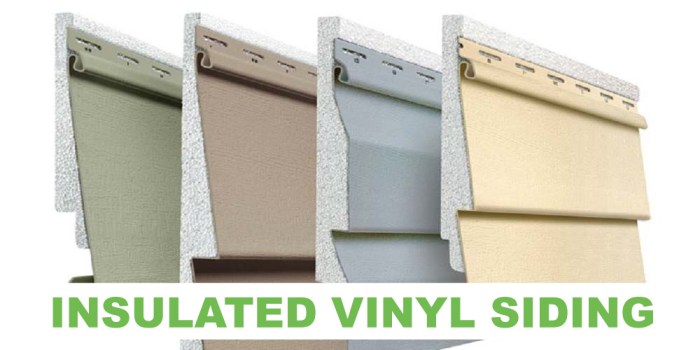
Different siding materials significantly impact the overall cost. Vinyl siding, a popular choice for its affordability and low maintenance, generally falls on the lower end of the price spectrum. Wood siding, while aesthetically pleasing, tends to be more expensive due to its higher labor requirements and susceptibility to rot and damage. Fiber cement siding, a composite material, offers a balance between durability and cost, usually placing it between vinyl and wood in terms of pricing. The unique characteristics of each material influence its cost-effectiveness for a given project.
Size and Complexity of the House
The size and complexity of a house directly correlate with the total cost of siding replacement. Larger homes, with more surface area requiring siding, will naturally have higher costs. Houses with intricate architectural details, such as multiple gables or complex rooflines, often demand more labor time and specialized techniques, further escalating the project cost. This complexity factor frequently leads to higher costs, as specialized expertise and extra time are often required for precision and accuracy.
Labor Costs
Labor costs play a pivotal role in determining the total cost of siding replacement. The skill level of the installers, the complexity of the job, and the duration of the project are all factors affecting labor costs. In some cases, specialized tools or equipment might be necessary, increasing the labor cost. For example, intricate architectural details or difficult-to-reach areas might require more specialized labor, leading to higher overall costs.
Geographic Location
Geographic location can significantly impact siding pricing. Areas with high labor costs, like major metropolitan areas, typically have higher siding installation prices. Material costs may also vary based on local availability and supply chain conditions. These regional variations in pricing should be considered for a comprehensive cost estimate.
Condition of Existing Siding
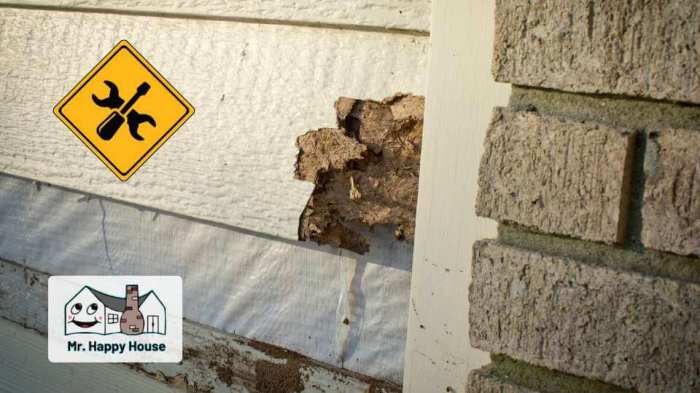
The condition of existing siding, if any, is a crucial factor influencing the cost of replacement. If the existing siding is in poor condition, needing extensive repairs or removal before new siding can be installed, this will significantly increase the overall project cost. A thorough assessment of the existing siding’s condition is essential for accurately estimating the total cost of the project.
Average Cost Per Square Foot Comparison
| Siding Material | Approximate Cost per Square Foot (USD) |
|---|---|
| Vinyl | $2-$5 |
| Wood | $5-$10 |
| Fiber Cement | $6-$12 |
Note: These figures are approximate and can vary based on factors like material quality, labor costs, and regional differences. This table provides a general guideline for comparative cost estimations.
Installation Costs and Labor
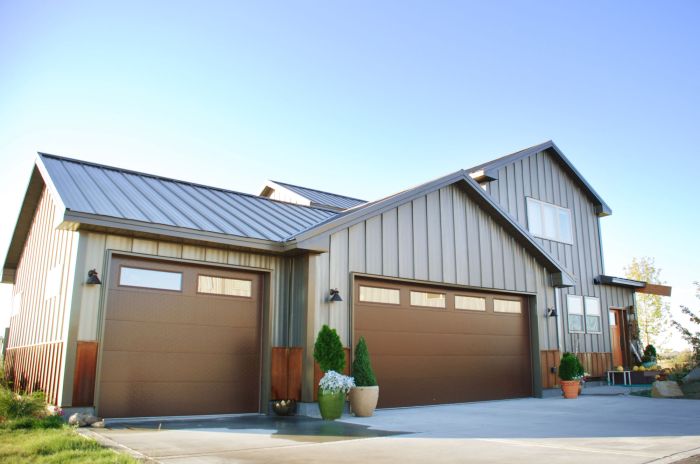
Source: roofingcalc.com
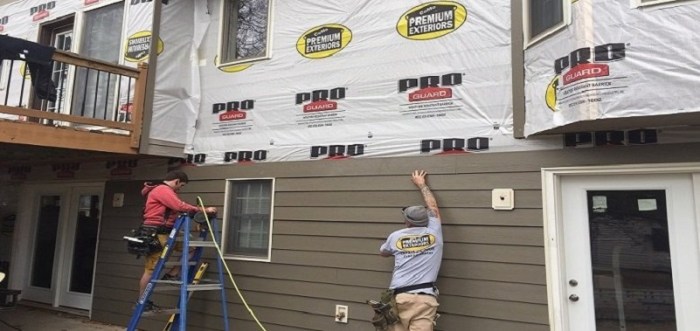
Installing new siding involves more than just the material cost; labor expenses play a significant role in the overall project budget. Understanding these factors allows homeowners to plan and budget effectively for this home improvement.
Average Labor Costs for Siding Installation
Labor costs for siding installation vary considerably depending on numerous factors. On average, expect to pay between $3 and $10 per square foot for professional installation. This range accounts for variations in siding type, complexity of the project, and the contractor’s experience. For example, a simple, straightforward installation of vinyl siding on a small house might fall closer to the lower end of this range, while a more complex project involving difficult-to-access areas or specialized siding types would likely cost more.
Factors Influencing Labor Costs
Several factors influence the labor cost of siding installation. Project complexity, including the size of the house, the number of stories, and the presence of intricate architectural features, directly affects labor hours. Furthermore, the type of siding chosen impacts labor costs. Installing complex, high-end siding often requires specialized skills and tools, increasing the labor cost. The location of the property and local labor market conditions can also significantly affect the rate charged by contractors. Finally, the availability of skilled labor can influence the overall labor cost.
Contractor Experience and Licensing
Contractor experience significantly impacts installation costs. Experienced contractors, often with proven track records and certifications, usually command higher rates but can offer more efficient and high-quality work, potentially saving on rework or unforeseen issues later. Licensing is also crucial. Licensed contractors typically adhere to industry standards and have a proven history of reliability, offering greater confidence in the project’s execution. This can reduce the risk of disputes or issues arising during or after installation.
Comparison of DIY vs. Professional Installation
DIY siding installation can save money, but it also carries significant risks. Homeowners undertaking this project often face difficulties in achieving a professional-quality finish. This may lead to costly repairs or replacements down the road. Professional installation ensures a higher quality finish, reduces the likelihood of errors, and offers warranties.
Importance of Multiple Quotes
Getting multiple quotes for siding installation is highly recommended. Comparing quotes from different contractors provides a clearer picture of the market rates and allows homeowners to choose the most competitive option. This comparison should consider not only the price but also the contractor’s reputation, experience, and warranty.
Cost Implications of Hiring Subcontractors
Hiring subcontractors for specific tasks within the siding installation process might reduce overall costs if their rates are lower than the contractor’s overall rate. However, coordination between subcontractors and the main contractor becomes critical. Potential delays or communication issues can add to the project’s cost and timeline.
Typical Labor Costs for Various Siding Types
| Siding Type | Estimated Labor Cost (per square foot) |
|---|---|
| Vinyl | $3.50 – $6.00 |
| Wood | $4.00 – $8.00 |
| Fiber Cement | $5.00 – $9.00 |
| Metal | $6.00 – $10.00 |
Note: These are estimates and can vary based on the factors discussed previously.
Project Size and Complexity
The cost of replacing siding isn’t just about the material; it’s heavily influenced by the size and design of your home. Larger homes and those with complex architectural features typically require more materials and labor, driving up the overall project cost. Understanding these factors is crucial for accurate budgeting.
Relationship Between House Size and Cost
The square footage of your home is a primary determinant of siding replacement costs. A larger house requires more siding material, leading to a higher overall cost. A 2,000-square-foot house will generally need significantly less siding than a 4,000-square-foot house. This difference in material quantity directly impacts the total project price.
Impact of House Design Complexity, Average cost of new siding for house
The complexity of a home’s design can substantially influence the cost of siding replacement. Houses with multiple levels, such as two-story or three-story homes, present more challenges for installation. This is because more complex structures require more specialized equipment and more skilled labor to access and work on different levels, which naturally increases the installation costs. Dormers, bay windows, and other architectural protrusions also add complexity and labor time, contributing to higher costs. For example, a house with multiple dormers will require specialized techniques and more time for installation compared to a simpler, single-story house.
Difficult-to-Reach Areas and Installation Costs
Difficult-to-reach areas on a home, such as those on upper levels or in hard-to-access corners, increase installation costs. The extra time and specialized equipment needed for these areas significantly affect the final price. Rooflines, complex eaves, or intricate architectural features will also contribute to a more challenging installation, leading to a higher cost. For instance, replacing siding on a house with a steeply pitched roof will require more safety precautions and potentially more labor time.
Examples of Architectural Features Increasing Siding Costs
Certain architectural features increase the cost of siding replacement. Houses with intricate gables, decorative trim, or complex rooflines require more specialized labor and often more materials, thus increasing the cost. Bay windows and dormers necessitate precise measurements and specialized techniques during the installation, also contributing to higher costs. Furthermore, the use of custom siding materials or non-standard shapes may add additional costs. Consider a house with a unique, highly detailed gable design; the specialized labor needed to ensure accurate placement and the matching of materials will likely lead to a higher price.
Average Siding Replacement Costs by Home Size
The average cost of siding replacement varies significantly based on the size of the home. Small homes generally require less material and labor, while larger homes will have higher costs. Medium-sized homes fall in between, with costs reflecting their size.
Siding Cost Estimates by Square Footage
| Square Footage | Estimated Cost (USD) |
|---|---|
| 1,000 – 1,500 | $5,000 – $8,000 |
| 1,500 – 2,500 | $8,000 – $12,000 |
| 2,500 – 3,500 | $12,000 – $18,000 |
| 3,500+ | $18,000+ |
Note: These are estimated costs and can vary based on specific materials, labor rates, and regional differences.
Geographic Variations
The cost of new siding varies significantly across different regions of the United States. Factors like labor rates, material availability, and local building codes play a substantial role in determining the final price. Understanding these regional differences is crucial for homeowners seeking to estimate their siding project costs accurately.
Regional Variations in Siding Costs
Variations in siding costs are largely attributable to differences in labor rates and material availability across different regions. Higher labor costs in densely populated areas, coupled with potential scarcity of specific siding materials, can drive up the overall project price. Conversely, regions with lower labor costs and readily available materials may offer more competitive pricing.
Impact of Labor Rates
Labor costs are a significant component of any construction project, and siding installation is no exception. Regions with a higher cost of living, often associated with urban centers or areas with specialized construction skills, typically have higher labor rates. This directly translates to increased installation costs for siding projects. For example, the installation of a standard vinyl siding on a house in a major metropolitan area might cost significantly more than the same project in a rural area.
Impact of Material Availability
The availability of siding materials, particularly specialized or exotic options, can affect the project’s cost. If a particular type of siding is less readily available in a region, suppliers might need to transport it from further distances, adding to the overall expense. Moreover, local manufacturers or suppliers might have pricing strategies that vary based on the demand and supply in a given region. For instance, areas with a strong local lumber industry might have more competitive pricing for wood siding compared to regions where lumber needs to be imported.
Impact of Local Building Codes
Local building codes can significantly influence siding project costs. Codes often dictate specific requirements for materials, installation methods, and safety precautions. More stringent codes may necessitate the use of specialized materials or installation techniques, which can increase the project’s overall cost. For example, areas with high seismic activity might have stricter regulations for siding attachment, leading to higher installation costs.
Average Siding Costs by US Region
| Region | Average Cost per Square Foot (USD) |
|---|---|
| Northeast | $10-15 |
| Midwest | $8-12 |
| South | $7-11 |
| West | $9-14 |
Note: These figures are estimates and may vary based on specific siding types, project complexity, and other factors.
Additional Costs
Beyond the base cost of materials and labor, several additional expenses can significantly impact the overall cost of a siding project. These often-overlooked costs can range from seemingly minor permit fees to unforeseen repair needs, ultimately affecting the final budget. Understanding these potential extra costs is crucial for a realistic financial projection.
Considering hidden costs in the total project budget is vital for avoiding unpleasant surprises during the installation process. A thorough assessment of these additional expenses can prevent budget overruns and ensure a more predictable and satisfactory outcome.
Permitting and Regulations
Local building codes and regulations often require permits for siding projects, especially if the work involves structural changes or significant alterations. The cost of these permits can vary depending on the jurisdiction and the scope of the work. It’s essential to research local regulations and obtain all necessary permits before commencing the project. Failing to do so can lead to delays, fines, and even project stoppage.
Disposal of Old Siding
Proper disposal of the old siding is a necessary but often overlooked aspect of the project. Regulations regarding the disposal of building materials vary by location. Homeowners may need to arrange for proper disposal of the old siding, potentially incurring costs for hauling or recycling. This should be factored into the overall budget to avoid unexpected expenses.
Necessary Repairs or Modifications
Before installing new siding, it’s essential to assess the existing structure for any necessary repairs or modifications. For example, rotted wood, damaged framing, or improper insulation might require addressing prior to the siding installation. These pre-installation repairs can significantly add to the project’s cost, and neglecting them could lead to more substantial problems later on. It is crucial to factor in these potential repairs in the budget, as addressing these issues before siding installation is more cost-effective than addressing them later, when the siding is already in place.
Unforeseen Expenses
Siding projects, like any construction endeavor, can encounter unforeseen circumstances. Weather delays, material shortages, or unforeseen damage during installation can all contribute to additional costs. For instance, a severe storm might damage the installation site, requiring costly repairs or rescheduling. Another example is if the sub-contractor has to purchase specialty materials due to supply chain disruptions, resulting in a price increase.
Contingency Funds
Including contingency funds in the project budget is highly recommended. A contingency fund acts as a buffer to cover unexpected costs or unforeseen circumstances. A good rule of thumb is to allocate 10-15% of the total estimated project cost to unforeseen expenses. This proactive approach can prevent project delays and financial strain.
Potential Hidden Costs for Siding Projects
| Category | Description | Estimated Cost Range (per project) |
|---|---|---|
| Permitting | Obtaining necessary permits for the project | $50 – $500+ |
| Disposal of Old Siding | Proper disposal of the old siding | $50 – $200+ |
| Pre-installation Repairs | Addressing existing structural issues before siding installation | $100 – $1000+ |
| Unforeseen Expenses | Weather delays, material shortages, or damage during installation | Variable, depending on the nature of the event |
| Contingency Funds | A buffer for unforeseen costs | 10-15% of total project cost |
Average Cost Ranges (Illustrative)
Determining the precise cost of new siding for a house is a multifaceted task, influenced by numerous variables. This section provides a general framework for estimating costs, highlighting the impact of key factors and offering a practical approach to calculating a project’s approximate budget.
While precise figures are difficult to pinpoint without detailed information about the specific project, the following illustrative cost ranges can offer a starting point for homeowners. Keep in mind that these are just estimates, and the actual cost may vary significantly based on individual circumstances.
Average Cost Ranges for Various House Sizes and Siding Materials
The cost of new siding is significantly affected by the size of the house and the type of siding material chosen. Different materials have different installation complexities and material costs, impacting the overall price.
| House Size (sq. ft.) | Vinyl Siding | Fiber Cement Siding | Wood Siding |
|---|---|---|---|
| 1,500-2,000 | $6,000 – $10,000 | $8,000 – $12,000 | $7,000 – $11,000 |
| 2,000-2,500 | $8,000 – $14,000 | $10,000 – $16,000 | $9,000 – $15,000 |
| 2,500-3,000 | $10,000 – $18,000 | $12,000 – $20,000 | $11,000 – $19,000 |
Example Cost Breakdown for a 2,200 sq. ft. Home with Vinyl Siding
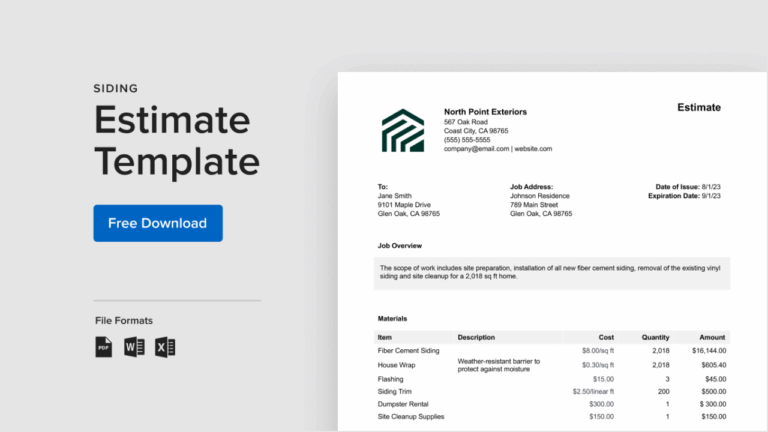
To illustrate how various factors can influence the final cost, consider a 2,200 square foot home with vinyl siding. A detailed breakdown of the costs for this scenario is given below. This example includes an allowance for labor, materials, and a contingency fund.
| Category | Estimated Cost |
|---|---|
| Labor (Installation) | $6,000 – $8,000 |
| Materials (Vinyl Siding, Accessories, and Fasteners) | $4,000 – $6,000 |
| Contingency (Unforeseen Expenses) | $1,000 – $2,000 |
| Total Estimated Cost | $11,000 – $16,000 |
Example: A 2,200 sq ft house with a more complex design, requiring more labor hours and specialized techniques, might push the labor costs towards the higher end of the range. This is a prime example of how project complexity directly impacts the final cost.
Calculating an Estimated Cost for a Specific Project
To get a more accurate estimate for your specific project, consider the following steps:
- Determine the size of your home: Measure the exterior square footage accurately.
- Identify the type of siding: Select the material you desire (vinyl, fiber cement, wood, etc.).
- Factor in complexities: Assess any architectural details, challenging areas (sloped roofs, intricate designs), or special requirements. This is vital as these factors will influence the labor costs.
- Seek multiple quotes: Get bids from several reputable contractors in your area. This will give you a broader understanding of the market rates and potential variations in costs.
- Incorporate a contingency: Include a contingency amount in your budget to account for unforeseen circumstances or material adjustments.
Concluding Remarks
In conclusion, determining the average cost of new siding for house is a multifaceted process. Careful consideration of materials, labor, project size, and location is essential for a precise estimate. By understanding the factors Artikeld in this guide, homeowners can make informed decisions and develop realistic budgets for their siding replacement project. Remember that accurate cost estimations involve comprehensive research and seeking professional advice.