Average Price of Siding Replacement A Comprehensive Guide
Average price of siding replacement varies significantly depending on several key factors. This guide explores the nuances of material costs, labor expenses, project size, and regional differences, providing a thorough understanding of the total project expense. From vinyl to fiber cement, we’ll dissect the impact of each material choice on your budget, helping you navigate the complexities of this home improvement undertaking.
This comprehensive guide will equip you with the knowledge to estimate replacement costs accurately, from meticulous measurements to securing competitive quotes. Understanding the different types of siding materials, their durability, and environmental impact will further enhance your decision-making process. Furthermore, the importance of choosing reputable contractors and the strategies for effective negotiation are also covered.
Factors Influencing Siding Replacement Costs

Source: comoexteriors.com
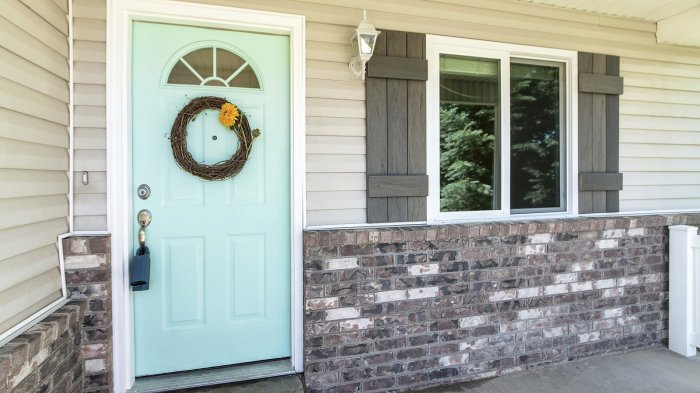
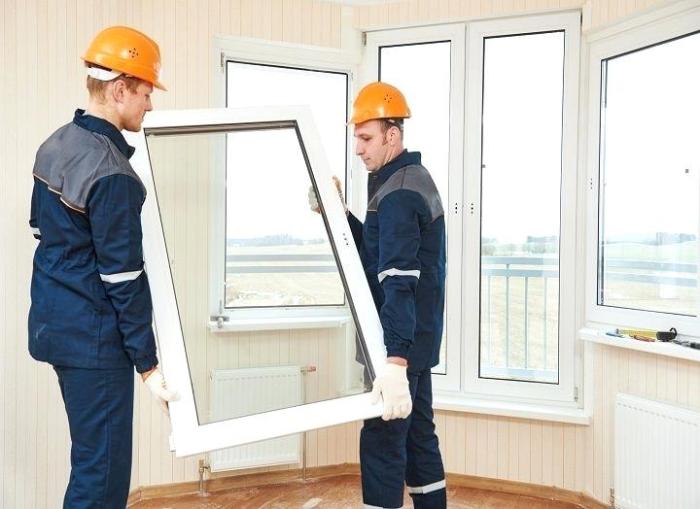
Siding replacement is a significant home improvement project, and the cost can vary considerably depending on several key factors. Understanding these factors allows homeowners to better budget and make informed decisions. This section explores the key elements impacting the price of siding replacement, from material choices to labor costs and project specifics.
A variety of factors influence the overall cost of siding replacement, ranging from the type of material used to the size of the project and the geographic location. Careful consideration of these factors allows homeowners to create a realistic budget and avoid potential cost overruns.
Material Types and Their Impact on Cost
Different siding materials have varying costs, largely due to their manufacturing and installation complexities. Vinyl siding, known for its affordability and low maintenance, generally has a lower cost per square foot compared to wood or fiber cement. Wood siding, while aesthetically appealing, requires more specialized installation and potentially higher maintenance, thus contributing to a higher overall cost. Fiber cement siding, often praised for its durability and longevity, often falls in a mid-range price point.
Impact of Project Size on Cost
Project size, including the square footage of the house and the number of stories, significantly influences the total cost. Larger homes with extensive siding areas naturally require more material and labor, leading to a higher overall price tag. For example, a single-story home with 1500 square feet of siding will cost less to replace than a two-story home with 3000 square feet. Additionally, the complexity of the home’s architectural features can also impact labor costs.
Geographic Location and Labor Costs
Labor costs vary significantly across different regions. Areas with higher living costs often have higher labor rates for siding installation. For example, the cost of labor in major metropolitan areas is often considerably higher than in rural areas. This difference needs to be factored into the total cost calculation.
Project Complexity and Additional Costs
The complexity of a siding replacement project can significantly affect the total cost. If roof repairs are needed concurrently with siding replacement, the overall cost will likely increase. This is because of the added labor, materials, and potential complications involved in coordinating both projects. For example, if the existing siding is heavily damaged, requiring extensive repairs or removal, the overall cost will be higher than a straightforward replacement. Similarly, unique architectural features or challenging access points can increase labor costs.
Average Cost per Square Foot Comparison
The following table provides a general comparison of average costs per square foot for various siding materials. Keep in mind that these are averages and actual costs can vary based on the factors mentioned earlier.
| Siding Material | Average Cost per Square Foot (USD) |
|---|---|
| Vinyl | $5 – $10 |
| Wood | $10 – $20 |
| Fiber Cement | $12 – $25 |
Estimating Replacement Costs
Source: njdiscountvinylsiding.com
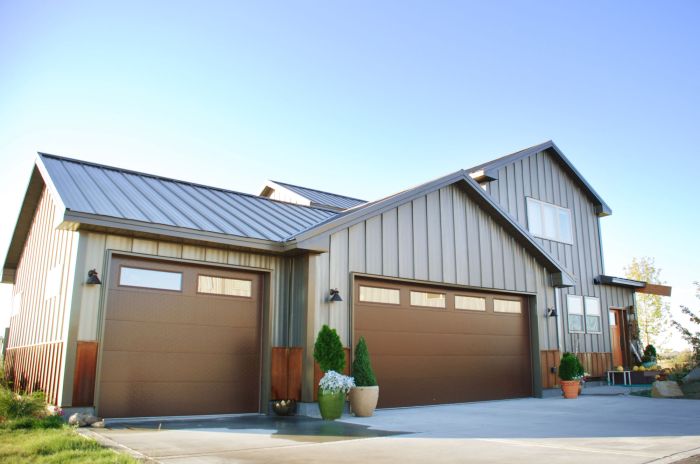
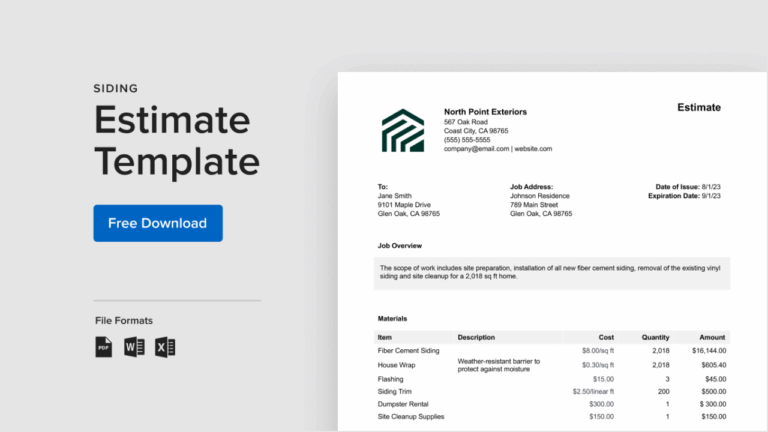
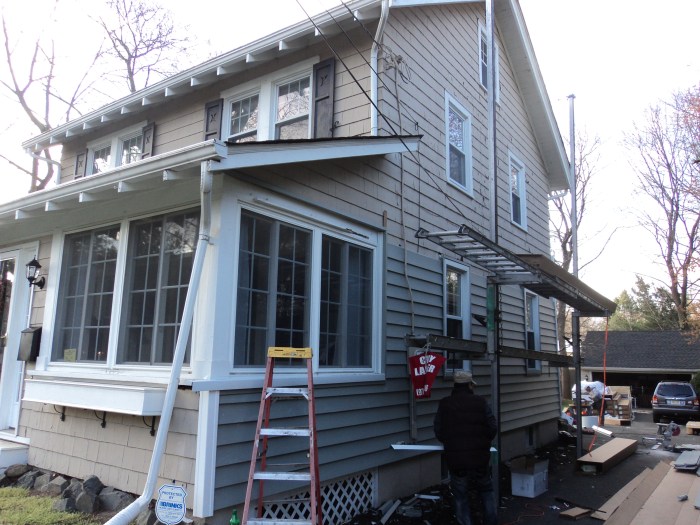
Accurately estimating the cost of siding replacement is crucial for homeowners. A well-defined estimation process helps avoid unpleasant surprises during the project and ensures a realistic budget. This section details a systematic approach to estimating siding replacement costs, enabling informed decisions and a smoother project execution.
Detailed Method for Estimating Costs
To effectively estimate siding replacement costs, a step-by-step process is essential. This involves gathering precise information about the property and comparing it to prevailing market rates. This methodical approach minimizes the potential for errors and ensures a comprehensive understanding of the total project cost.
Step-by-Step Procedure for Calculation
- Property Assessment: Begin by thoroughly inspecting the property. Note the size and condition of the existing siding, any existing damage or rot, and the overall condition of the house’s structure. This initial evaluation provides a baseline for determining the required materials and labor.
- Accurate Measurements: Precise measurements are critical. Measure the length and height of each section of the exterior wall requiring siding replacement. Use a measuring tape and take multiple readings to ensure accuracy. Document all measurements carefully, and consider using a digital measuring tool for enhanced accuracy.
- Material Quotation: Obtain quotes from different suppliers for the specific siding materials needed. This involves comparing prices, considering quality, and ensuring the materials align with the homeowner’s aesthetic preferences. Factors like the type of siding (vinyl, wood, fiber cement), its color, and the desired thickness should be included in the quotes.
- Labor Estimation: Contact several contractors specializing in siding replacement. Inquire about their hourly rates and the estimated time required to complete the project. The complexity of the project, the size of the property, and any specific challenges will influence the labor estimate.
- Total Cost Calculation: Add up the costs for materials, labor, and any other associated expenses like permits, transportation, and disposal of old materials. This comprehensive calculation provides a total project cost estimate.
Key Elements Needed for a Reliable Estimate
- Detailed Property Information: The property’s size, dimensions, and the type of siding to be replaced are vital. Precise measurements of the exterior walls are essential for accurate material calculations.
- Contractor Quotes: Comparing quotes from multiple contractors ensures a fair price and helps in making informed decisions.
- Material Costs: Obtain quotes from various suppliers for the specific siding materials needed. Compare pricing and consider the quality of the materials.
- Labor Costs: Obtain estimates for labor from several contractors, considering factors like project complexity and experience.
- Permit Costs (if applicable): Local regulations may require permits for siding replacement, so factor in potential permit fees.
Importance of Accurate Measurements and Material Quantities
Accurate measurements directly impact the final cost. Underestimating material quantities can lead to additional costs for ordering more materials during the project, increasing expenses and potentially delaying the project. Conversely, overestimating leads to material waste, increasing costs and potentially creating problems with disposal.
Obtaining Quotes from Multiple Contractors
Seeking quotes from multiple contractors is essential for comparing prices and ensuring fair pricing. Compare the scope of work, labor costs, and material costs provided by different contractors. This competitive approach helps homeowners find the best value for their money. Consider the contractor’s experience, reputation, and any warranties or guarantees offered.
Using Online Calculators for Cost Estimation
Numerous online calculators can estimate siding replacement costs based on various factors. These calculators usually require inputting information like property size, siding type, and labor rates. These tools provide a preliminary estimate, which should be used as a starting point for further analysis.
Impact of Complexity on Costs, Average price of siding replacement
| Complexity Level | Description | Estimated Cost Impact |
|---|---|---|
| Low | Standard-sized homes with minimal damage or extensive preparation required. | Lower costs due to straightforward installation and minimal labor. |
| Medium | Houses with complex designs, multiple wall types, or challenging installation areas. | Increased costs due to specialized labor and material requirements. |
| High | Houses with significant damage, extensive repairs needed before siding installation, or significant architectural features. | Substantial increase in costs due to extensive labor, material, and potential additional preparation. |
Understanding Material Choices
Source: cochranexteriors.com
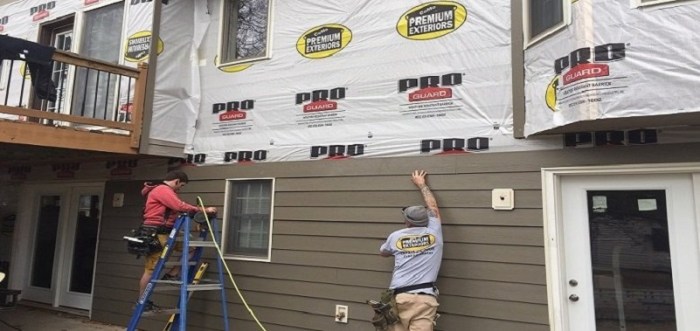
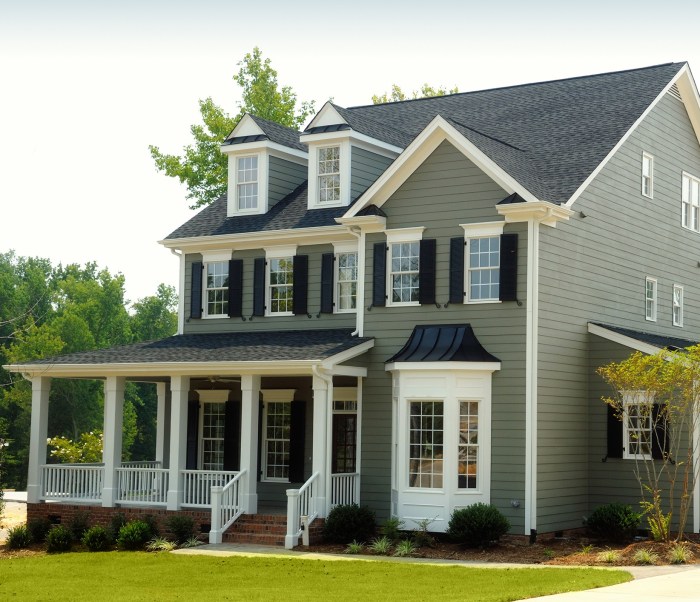
Choosing the right siding material is crucial for both the longevity and aesthetic appeal of your home. Factors like durability, maintenance requirements, and cost play significant roles in the decision-making process. Different materials offer varying levels of performance, energy efficiency, and environmental impact. This section delves into the specifics of each material, allowing you to make an informed choice that aligns with your needs and values.
Different Types of Siding Materials
Various materials are available for siding, each with unique characteristics. Common choices include vinyl, wood, fiber cement, and metal. Understanding the properties of each material is essential for selecting the best option for your home.
Durability and Lifespan of Siding Materials
The durability and lifespan of siding materials vary considerably. Vinyl siding, for example, is known for its relatively low maintenance and long lifespan, typically lasting 50 years or more with proper installation and upkeep. Wood siding, while aesthetically pleasing, requires more frequent maintenance and has a shorter lifespan compared to vinyl. Fiber cement siding provides a balance between durability and low maintenance, offering a lifespan exceeding 50 years. Metal siding, such as steel or aluminum, is extremely durable and can last for decades, often exceeding 50 years, but can be more susceptible to dents or damage from impacts.
Pros and Cons of Siding Materials
Each material has its own set of advantages and disadvantages. Vinyl siding is known for its low maintenance, affordability, and wide range of colors and styles. However, it might not be as durable in extreme weather conditions as other materials. Wood siding offers a classic, natural look, but requires regular painting or staining and is more susceptible to rot and insect damage. Fiber cement siding provides a durable and low-maintenance alternative to wood, but it may not offer the same aesthetic flexibility as other options. Metal siding offers exceptional durability and can reflect heat, lowering energy costs, but its appearance may not suit every architectural style.
Environmental Impact of Siding Materials
The environmental impact of siding materials is an important consideration. Vinyl siding, while relatively low maintenance, can have a higher carbon footprint compared to recycled materials. Wood siding can have a substantial environmental impact depending on the source of the wood and the manufacturing processes. Fiber cement siding often uses recycled materials, which can reduce its environmental impact. Metal siding, depending on the metal type and manufacturing process, can also have a smaller environmental impact compared to wood siding.
Energy Efficiency Comparison of Siding Materials
| Siding Material | Energy Efficiency (Approximate Rating) | Details |
|---|---|---|
| Vinyl | Moderate | Good insulation properties, but may not be as high as fiber cement or metal in some cases. |
| Wood | Low | Requires additional insulation to improve energy efficiency. |
| Fiber Cement | High | Excellent insulation properties, often comparable to metal. |
| Metal | High | Excellent reflective properties, leading to significant energy savings in climates with high temperatures. |
Aesthetic Impact of Material Choices
The choice of siding material significantly impacts the overall aesthetic of a home. Vinyl siding offers a wide range of colors and styles, making it versatile for various architectural designs. Wood siding provides a classic and natural look, adding warmth and character to a home. Fiber cement siding offers a more contemporary aesthetic, mimicking the appearance of natural stone or wood, while metal siding presents a modern, industrial look. The color and texture of each material can be further customized to complement the home’s design and surroundings.
Common Siding Installation Mistakes
- Inadequate preparation of the existing surface, leading to improper adhesion of the new siding. Poorly prepared surfaces can result in premature failure and costly repairs.
- Using improper fasteners or installation techniques can compromise the structural integrity of the siding and lead to future problems.
- Failure to account for proper expansion and contraction of materials, particularly in climates with significant temperature fluctuations, can cause gaps or damage over time.
- Incorrectly sized or spaced flashing can result in water damage to the structure behind the siding.
- Ignoring local building codes and regulations can lead to penalties and delays in the installation process.
Contractor Selection and Negotiation
Choosing the right siding contractor is crucial for a successful and cost-effective project. A qualified and reputable contractor ensures the work is done correctly, the materials are of high quality, and the project is completed on time and within budget. Proper contractor selection is a key factor in minimizing potential issues and maximizing the value of your siding investment.
Selecting a contractor involves careful consideration of their qualifications, experience, and reputation. Understanding the process of obtaining quotes and negotiating effectively can help you secure the best possible deal. This section provides a comprehensive overview of these crucial steps.
Importance of Reputable and Licensed Contractors
Reputable and licensed contractors are essential for a successful siding replacement project. They demonstrate a commitment to quality workmanship, adherence to local regulations, and a history of positive customer experiences. Licensed contractors are also bonded and insured, providing protection against potential issues during the project. This reduces the risk of financial loss if unforeseen circumstances arise. Ensuring the contractor is licensed and insured protects both the homeowner and the contractor.
Finding Qualified Contractors
Finding qualified contractors in your area involves several methods. Online searches using s related to siding replacement, combined with local business directories, can yield promising leads. Checking online reviews, such as those on sites like Yelp or HomeAdvisor, can provide insights into past projects and customer experiences. Recommendations from friends, family, or neighbors can also be valuable sources. Referral networks and local home improvement associations are also valuable resources.
Requesting Quotes from Several Contractors
Obtaining quotes from multiple contractors is essential for informed decision-making. This allows for comparison of pricing, services, and potential project timelines. Each quote should detail the scope of work, the materials to be used, the labor costs, and the estimated project completion date. A clear understanding of the project specifics ensures that the quote accurately reflects the proposed work. It is crucial to obtain quotes from several contractors, ensuring a fair and competitive price.
Negotiating Pricing Effectively
Effective negotiation involves a combination of research, clear communication, and a willingness to compromise. Understanding the average market rates for siding replacement in your area provides a basis for negotiating. A pre-determined budget provides a realistic target for the negotiation process. A willingness to compromise on minor aspects, such as specific material choices, can lead to a favorable agreement. A balanced approach to negotiation can result in a mutually beneficial outcome.
Contractor Qualifications and Experience Comparison
| Contractor | Licenses | Insurance | Years of Experience | References | Reviews |
|---|---|---|---|---|---|
| ABC Siding | Yes | Yes | 10 | Available | Positive |
| XYZ Home Improvements | Yes | Yes | 5 | Available | Mixed |
| Local Handyman | No | No | 2 | Limited | Negative |
This table provides a comparative overview of contractor qualifications. A thorough review of contractor credentials is crucial for a successful project.
Checking Contractor Licenses and Insurance
Verifying contractor licenses and insurance is critical. Checking for proper licensing with your local building department or relevant authorities ensures the contractor is legally permitted to perform the work. Verifying insurance coverage provides protection against potential liabilities during the project. Ensuring that the contractor is properly licensed and insured safeguards both parties.
Questions to Ask Contractors During the Quote Process
Asking the right questions during the quote process can reveal important details about the contractor and their approach to the project. Examples of crucial questions include inquiries about their experience with similar projects, the specifics of their warranty policies, and the process for handling any potential disputes. Detailed questions about the project timeline and the contractor’s approach can provide insights into their reliability.
Average Price Ranges and Regional Variations: Average Price Of Siding Replacement
Siding replacement costs are not a one-size-fits-all figure. Significant regional differences exist, influenced by labor rates, material availability, and local demand. Understanding these variations is crucial for homeowners planning a project. The cost can range substantially, even within a relatively small geographic area.
Regional Price Ranges
Different regions across the country experience varying costs for siding replacement. Factors like the cost of labor, material prices, and the availability of skilled contractors contribute to these differences. For instance, areas with high labor costs will typically have higher siding replacement costs.
- The Northeast often sees higher prices due to higher labor costs and material transportation expenses. In states like Massachusetts or Connecticut, the cost per square foot for vinyl siding replacement might average $5-$7. Conversely, the Midwest may see prices in the range of $3-$5 per square foot for similar siding types, largely due to lower labor costs.
- The South, with its lower labor costs, usually experiences lower average siding replacement costs than the Northeast. For instance, in states like Florida or Texas, vinyl siding replacement could cost between $4-$6 per square foot.
- The West Coast, influenced by fluctuating material prices and higher demand, often exhibits a more variable cost structure. The cost per square foot for composite or wood siding in California might be higher compared to other regions due to increased demand and potentially higher transportation costs for materials.
Factors Contributing to Regional Variations
Several factors contribute to the differing costs of siding replacement across regions. These factors include the cost of labor, material availability, and local demand.
- Labor Costs: The cost of hiring skilled labor varies significantly across the country. In regions with a higher cost of living, skilled labor is often more expensive, directly impacting the overall project cost.
- Material Availability and Demand: Fluctuations in material availability and demand can significantly affect prices. Areas with high demand for siding materials may see prices rise. Conversely, areas with abundant supply might see lower costs.
- Local Regulations: Local building codes and regulations may require additional work or materials, increasing the project’s overall cost. For example, stricter energy efficiency requirements in certain areas might influence the type of siding used, thus affecting the price.
Inflation and Market Fluctuations
Inflation and market fluctuations play a significant role in influencing siding replacement costs. Rising material costs, driven by global events or supply chain disruptions, directly translate to higher prices for siding replacement. In recent years, the cost of lumber and other construction materials has risen dramatically.
- Inflationary Pressures: Inflationary periods usually lead to increased costs for all construction materials, including siding. For example, if the price of lumber increases by 20%, the price of siding using lumber components is likely to increase as well.
- Market Fluctuations: Market fluctuations can influence the cost of materials. Sudden changes in demand, or unexpected supply chain disruptions, can lead to significant price increases. Homeowners need to be aware of these potential fluctuations when budgeting for a siding replacement project.
Average Cost Per Square Foot
The table below provides a general estimate of average siding replacement costs per square foot in different regions. Note that these are averages and actual costs may vary based on specific factors.
| Region | Average Cost per Square Foot (USD) |
|---|---|
| Northeast | $5 – $7 |
| Midwest | $3 – $5 |
| South | $4 – $6 |
| West Coast | $5 – $8 |
Material Availability and Demand
Material availability and demand significantly impact siding replacement costs. If a particular type of siding is in high demand, the price will likely increase. Conversely, if the supply is abundant, the cost might decrease. For example, if a particular siding material becomes scarce due to a global shortage, the price will likely rise, affecting the overall cost of the replacement project.
Tips for Saving Money
Reducing the cost of siding replacement often involves a combination of strategic planning and careful execution. Understanding the various factors influencing the total cost, from material selection to labor rates, is crucial for achieving cost savings. This section explores practical tips for homeowners aiming to minimize expenses during their siding project.
Labor Cost Savings
Hiring reputable contractors is essential, but so is understanding ways to control labor costs. Negotiating contracts upfront and considering project timelines can influence labor expenses. One crucial approach is to evaluate your own skillset. Tasks like prepping the house for siding installation, or even minor demolition and cleanup, can reduce the overall labor required and subsequently the labor costs.
Negotiating with Contractors
Negotiating effectively with contractors requires a proactive approach. Thorough research into local market rates and understanding the scope of work is paramount. Providing clear and concise project specifications, including timelines and material requirements, can help contractors understand the project’s parameters. Building a strong rapport with potential contractors, expressing your needs, and discussing potential cost-saving strategies will be beneficial. It’s also important to compare multiple quotes to get a clear understanding of various pricing structures.
Choosing Cost-Effective Siding Materials
Material selection plays a significant role in the overall cost of a siding replacement. Consider alternative siding materials, such as vinyl or fiber cement, which are often more affordable than other options like wood or composite. Pre-finished siding can reduce labor costs, as the contractor doesn’t need to apply the paint or stain. Assessing the long-term cost of maintenance and replacement of different materials can help in selecting cost-effective solutions. For example, while wood siding might appear more aesthetically pleasing, its higher maintenance and replacement costs may not make it the most cost-effective option in the long run.
Potential Cost-Saving Measures
Implementing these measures can significantly reduce the cost of your siding replacement project.
- Pre-purchase material discounts or bulk pricing can offer considerable savings.
- Obtain multiple quotes from reputable contractors to compare pricing.
- Consider DIY installation for some tasks to reduce labor costs.
- Choose siding materials that are known for durability and longevity, thus reducing the need for future replacements.
- Compare the price of materials across different suppliers to find the most competitive rates.
Energy-Efficient Siding
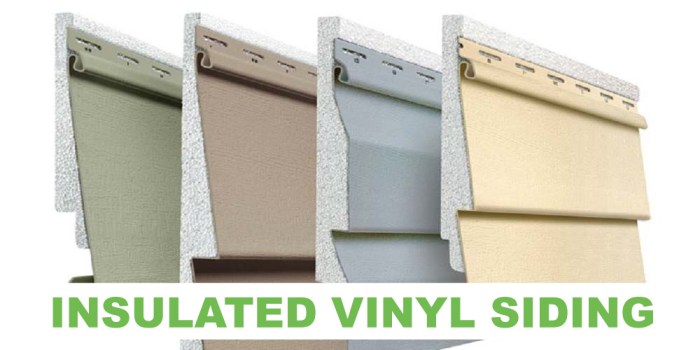
Energy-efficient siding can lead to long-term cost savings by improving home insulation and reducing energy consumption. Insulated siding can help reduce heating and cooling costs. This can be especially beneficial in regions with significant seasonal temperature variations. For instance, homes in climates with extreme temperatures will see a greater reduction in energy costs with insulated siding compared to homes in more temperate zones. Consider the energy-efficient characteristics of different materials when making your siding selection.
DIY Involvement
Performing some of the work yourself can significantly reduce labor costs. Tasks like cleaning the existing siding, prepping the house, or basic measurements can significantly decrease the overall labor required and, subsequently, the cost. If you have the necessary skills and tools, consider taking on some of the work yourself to save money on labor costs. Homeowners with prior experience in construction or home improvement tasks can save substantial amounts of money by handling some aspects of the siding replacement project.
Epilogue
In conclusion, determining the average price of siding replacement involves a multifaceted approach. By understanding the influencing factors, meticulously estimating costs, and carefully selecting contractors, homeowners can make informed decisions. This guide has provided a framework for navigating the complexities of this significant home improvement project, ultimately empowering you to choose the best solution for your specific needs and budget. Remember, careful planning and informed decision-making are key to a successful and cost-effective siding replacement.