Estimated Cost to Replace House Siding
The estimated cost to replace siding on a house can vary significantly depending on many factors. Different siding materials, from classic wood to modern vinyl, come with different price tags. Plus, the size of your house and the extent of any damage will also play a role in the final bill. This guide dives deep into the factors that determine siding replacement costs, providing insights on material choices, damage assessments, and negotiating with contractors.
We’ll explore the wide range of siding materials, from budget-friendly options to higher-end choices. We’ll also look at how labor costs differ based on contractor experience and the complexity of the job. Finally, we’ll show you how to calculate the total cost, including materials, labor, and potential permits, and discuss strategies to reduce expenses, including DIY options where appropriate.
Factors Influencing Siding Replacement Costs

Source: buildmax.com
Understanding the factors impacting siding replacement costs is crucial for homeowners planning a project. Accurate estimations allow for realistic budgeting and informed decision-making. These factors range from material selection to regional variations and market conditions.
Siding Material Costs and Types
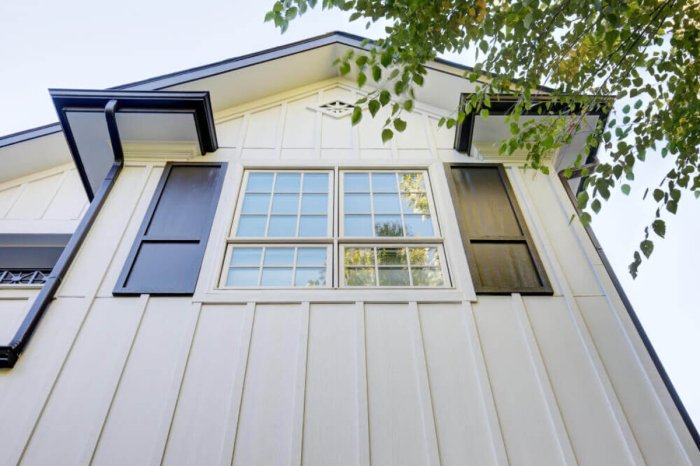
Different siding materials offer varying levels of durability, aesthetics, and cost. Vinyl siding, a popular choice for its affordability and low maintenance, typically falls in a mid-range price point. Wood siding, while offering a classic look, requires more upkeep and is generally more expensive. Fiber cement siding, known for its longevity and resistance to rot and pests, commands a higher price tag compared to vinyl but often delivers a longer return on investment.
Labor Costs Associated with Different Siding Types
The labor costs for siding replacement are influenced by the complexity of the installation process. Vinyl siding, due to its straightforward installation, often has lower labor costs compared to wood or fiber cement. Wood siding, requiring more precision in cutting and fitting, generally incurs higher labor expenses. Fiber cement siding, with its heavier panels and potentially more complex installation, also tends to carry higher labor costs. These factors contribute to the overall cost of the project.
Impact of House Size and Square Footage
The size of the house significantly affects the total cost of siding replacement. Larger homes, with greater surface areas needing siding, naturally translate to higher overall costs. A 2,000 square foot house will require more materials and labor than a 1,000 square foot house. Precise calculations are necessary to estimate material quantities and associated costs for different house sizes.
Influence of Material Availability and Market Conditions
Fluctuations in material availability and market conditions can dramatically impact siding replacement costs. Supply chain disruptions, for example, can lead to material shortages, driving up prices. Economic conditions also play a role, with rising material costs during periods of inflation potentially leading to increased project expenses. Homeowners should factor in potential cost fluctuations based on current market trends.
Factors Affecting Labor Costs
Several factors affect the labor costs associated with siding replacement. These include the complexity of the existing structure, the presence of any architectural details or challenging access points, and the availability of qualified installers in the local area. Weather conditions during installation can also impact labor efficiency and project timelines, adding to overall costs. Professional assessments and detailed quotes from contractors are essential for accurate estimations.
Regional Cost Comparisons
| Siding Material | East Coast Average Cost (per square foot) | West Coast Average Cost (per square foot) |
|---|---|---|
| Vinyl | $5-$8 | $6-$9 |
| Wood | $10-$15 | $12-$18 |
| Fiber Cement | $12-$18 | $14-$20 |
Note: These are average costs and can vary based on specific local conditions, contractor rates, and project specifics. Consult with local contractors for precise estimates.
Assessing the Extent of Siding Damage
Identifying the extent of siding damage is crucial for accurate cost estimations and planning a successful replacement project. A thorough assessment ensures that you address all issues, preventing future problems and maximizing the value of your investment. This involves not only evaluating visible damage but also looking for underlying structural concerns.
Common Siding Damage Types
A comprehensive understanding of potential siding problems is essential for a precise assessment. Various factors, including environmental conditions and material quality, can lead to damage. Recognizing these common types will help you accurately gauge the extent of the damage.
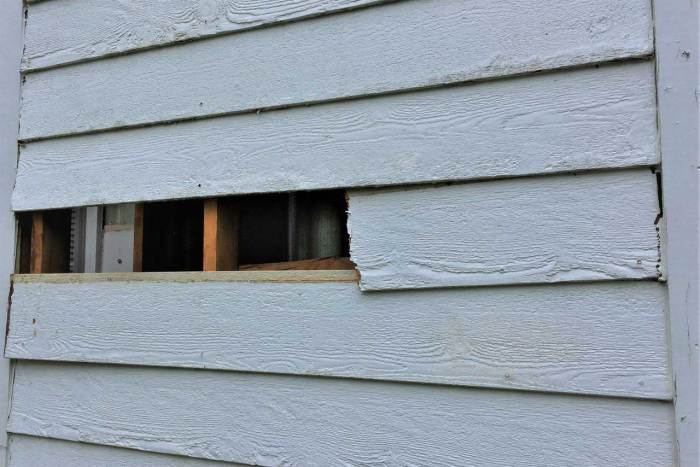
- Rot: Wood siding, particularly in areas with high moisture, is susceptible to rot. This is often evidenced by soft spots, discoloration, and a musty odor. If left untreated, rot can compromise the structural integrity of the siding and the underlying framing.
- Cracks: Cracks in siding, whether caused by impact, settling, or material weakness, can worsen over time. They can be small hairline fractures or larger, more extensive breaks. The presence of cracks can signal deeper issues that need to be addressed.
- Warping: Siding materials, particularly wood or vinyl, can warp due to exposure to moisture or temperature fluctuations. Warping often manifests as uneven surfaces, making the siding appear bowed or distorted.
- Pest Damage: Termites, carpenter ants, and other pests can infest siding, creating significant damage. Signs of pest activity include holes, droppings, and tunnels within the siding material. Pest infestations require professional treatment to prevent further damage.
- Fungal Growth: Mold and mildew can develop on siding surfaces, especially in damp environments. This growth can lead to aesthetic damage and, in some cases, contribute to material deterioration. Prompt attention to fungal growth is necessary to prevent spreading and structural damage.
- Water Damage: Water intrusion, from leaks or poor drainage, can cause significant damage to siding materials. This damage may manifest as discoloration, bubbling, or warping, depending on the type of siding. Identifying the source of water intrusion is key to preventing further problems.
Identifying the Extent of Damage
A thorough inspection is crucial to determine the extent of damage and the scope of the necessary repairs. The process should be methodical, encompassing a careful visual examination and, if necessary, professional input.
- Visual Inspection: Carefully inspect the entire siding surface for signs of damage, including cracks, rot, warping, pest activity, and water damage. Note the location and severity of each issue. Take photographs or make detailed sketches to document the findings.
- Detailed Examination: Examine the areas of suspected damage more closely, checking for hidden problems or structural issues. Look for signs of weakening, looseness, or deterioration that may extend beyond the visible damage.
- Professional Inspection: A professional siding inspector can provide a comprehensive assessment of the siding’s condition. They have the expertise to identify subtle signs of damage and underlying structural problems, and can provide recommendations for repairs and replacements.
Evaluating the Condition of Existing Siding
Evaluating the condition of existing siding is a key step in determining the necessary repairs. This involves a comprehensive examination of the material and its installation.
- Material Assessment: Assess the type of siding material (e.g., vinyl, wood, fiber cement). Different materials have different susceptibilities to damage, and the extent of damage may vary depending on the material.
- Installation Assessment: Evaluate the condition of the siding’s installation. Look for gaps, loose nails, or improperly sealed areas. Poor installation can increase the risk of water damage and other issues.
Significance of Underlying Structural Issues
Addressing underlying structural problems is vital to ensure long-term siding stability and safety. Neglecting these issues can lead to further damage and costly repairs in the future.
- Identifying Structural Issues: Inspect the framing and support systems for signs of damage, such as rot, cracks, or bowing. These issues can affect the siding’s stability and integrity. Professional inspections can pinpoint these hidden issues.
- Addressing Structural Concerns: Addressing structural concerns before replacing the siding is critical. Failing to do so could lead to the new siding suffering similar issues in the near future. This is often more cost-effective than addressing the problem after siding replacement.
Visual Indicators and Potential Costs
The following table Artikels common visual indicators of siding damage and their potential cost implications. Keep in mind that these are estimates, and actual costs will vary based on the extent of damage, location, and specific material.
| Damage Type | Visual Indicators | Potential Costs (Example) |
|---|---|---|
| Rot | Soft spots, discoloration, and musty odor | $500 – $2000+ |
| Cracks | Hairline fractures, larger breaks | $200 – $1000+ |
| Warping | Uneven surfaces, bowed or distorted appearance | $300 – $1500+ |
| Pest Damage | Holes, droppings, tunnels | $200 – $1000+ (including treatment) |
| Water Damage | Discoloration, bubbling, warping | $300 – $2000+ |
Estimating Labor Costs for Siding Replacement
Source: yourhealthexplained.com
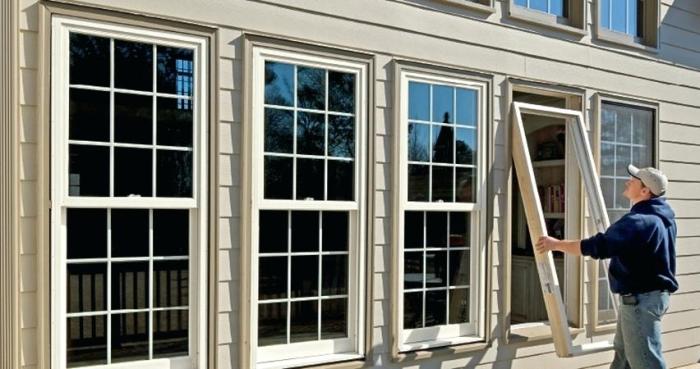
Understanding the labor costs associated with siding replacement is crucial for homeowners planning this project. These costs are significantly influenced by factors like the type of siding, the size of the job, and the geographic location. Accurately estimating these costs ensures realistic budgeting and prevents unexpected financial surprises.
Accurate labor cost estimates are essential to avoid unpleasant financial surprises during a siding replacement project. This involves considering the complexity of the job, the contractor’s experience, and the prevailing labor rates in the area. Knowing these factors will enable homeowners to make informed decisions about the project’s budget and timeline.
Labor Costs Based on Siding Replacement Job Type
Different siding replacement jobs have varying labor demands. For instance, replacing a small section of damaged siding requires less labor than a complete house siding replacement. This difference impacts the overall labor costs. The specific type of siding material also plays a role. Certain types might require more specialized skills or tools, leading to higher labor costs.
Impact of Contractor Experience and Licensing on Labor Costs
Contractor experience and licensing directly affect labor costs. Experienced contractors typically possess a higher level of proficiency and efficiency in completing the work. This often translates to lower labor costs per hour or per project. Licensed contractors, adhering to local regulations and industry standards, are more likely to ensure quality workmanship and compliance with building codes. This, however, can sometimes lead to slightly higher initial costs compared to unlicensed contractors, but the added value in terms of quality and reliability often outweighs the difference.
Typical Hourly Rates for Siding Installers in Different Regions
Hourly rates for siding installers vary significantly depending on the region. Areas with a higher cost of living generally have higher labor rates. For example, labor costs in major metropolitan areas often exceed those in rural or suburban regions. Comparing rates across different regions is essential for homeowners to understand the local market pricing.
Costs of Permits and Inspections Related to Siding Replacement
Permits and inspections are often required for siding replacement projects, and these costs need to be factored into the total budget. The specific permit fees and inspection costs vary from region to region. Homeowners should inquire about local building codes and regulations regarding siding replacement to understand the associated permitting and inspection costs.
Average Labor Costs for Different Siding Replacement Tasks
| Task | Average Labor Cost (per hour) |
|---|---|
| Siding Removal | $50 – $80 |
| Siding Installation | $60 – $100 |
| Cleanup | $30 – $50 |
Note: These are average costs and may vary depending on the specific circumstances of the job, such as the type of siding, the size of the house, and the complexity of the installation. It’s always best to get multiple quotes from contractors to ensure you’re getting a fair and accurate estimate.
Material Costs for Siding Replacement
Choosing the right siding material is crucial for a successful and cost-effective siding replacement project. The material’s durability, aesthetic appeal, and long-term maintenance needs directly impact the overall project budget. Understanding the various options available and their associated costs is essential for making informed decisions.
Material costs are a significant component of the total siding replacement expense. Factors such as material type, quantity, and current market pricing can dramatically influence the final cost. This section explores the diverse range of siding materials, their current market prices, and the influence of material availability on the overall project cost.
Different Types of Siding Materials
Various siding materials offer different aesthetic qualities, durability, and maintenance requirements. Understanding these differences helps homeowners select the best material for their needs and budget. Common siding types include vinyl, wood, fiber cement, and metal. Each type has its own characteristics, impacting the cost and longevity of the siding.
Current Market Pricing of Siding Materials
Current market pricing for siding materials fluctuates based on supply and demand, as well as manufacturing costs. Vinyl siding, a popular and affordable option, often sees competitive pricing. Wood siding, though visually appealing, can be more expensive due to its material and labor requirements. Fiber cement siding, known for its durability and long lifespan, generally falls between vinyl and wood in terms of pricing. Metal siding prices vary based on the specific metal type (aluminum, steel, copper) and often require specialized installation.
Comparison of Siding Material Brands
Different brands of siding materials can offer varying levels of quality and pricing. While some brands might command a premium due to superior durability or warranty provisions, others may offer comparable performance at a lower cost. Conducting thorough research and comparing product specifications and warranties is crucial in choosing a suitable brand for the project. It’s advisable to obtain quotes from multiple suppliers for the same material to compare pricing across different brands.
Impact of Material Availability on Costs
Material availability significantly influences siding replacement costs. Supply chain disruptions, due to global events or manufacturing issues, can cause price increases and delays in project timelines. For example, if a specific type of wood siding is in high demand, its price may rise, impacting the overall project budget. Conversely, if a material is readily available, costs tend to be more stable.
Examples of Siding Material Options and Price Ranges
Vinyl siding is a popular choice due to its affordability and low maintenance. Prices for vinyl siding typically range from $5 to $15 per square foot. Wood siding, with its natural beauty, usually costs between $10 and $25 per square foot. Fiber cement siding, known for its durability, often falls in the $15 to $30 per square foot range. Metal siding, depending on the metal type, can range from $10 to $40 per square foot.
Price Ranges for Different Siding Materials
| Siding Material | Quantity (Square Feet) | Price Range (USD/Square Foot) |
|---|---|---|
| Vinyl | 100 | $5.00 – $8.00 |
| Vinyl | 500 | $4.50 – $7.50 |
| Wood | 100 | $10.00 – $15.00 |
| Wood | 500 | $9.00 – $14.00 |
| Fiber Cement | 100 | $15.00 – $25.00 |
| Fiber Cement | 500 | $14.00 – $22.00 |
| Metal | 100 | $10.00 – $30.00 |
| Metal | 500 | $9.00 – $25.00 |
Note: These price ranges are estimates and can vary based on specific material choices, local market conditions, and installation costs.
Estimating Total Costs for Siding Replacement
Source: cloudinary.com
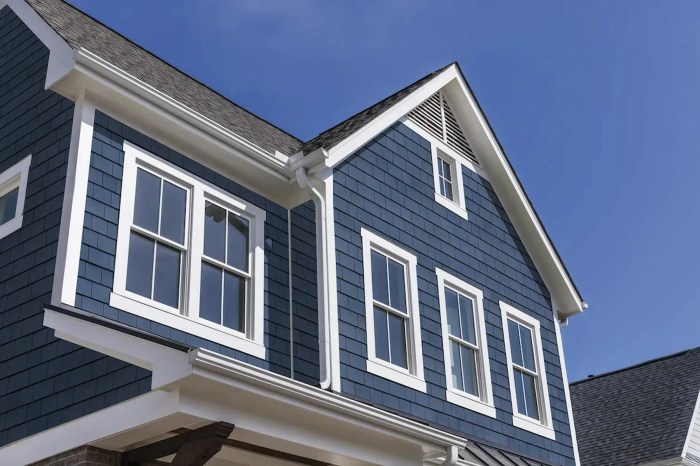
Accurately estimating the total cost for a siding replacement project is crucial for homeowners to plan and budget effectively. A comprehensive understanding of all factors, from material selection to labor costs, allows for realistic financial projections and informed decision-making. This section will detail a process for calculating the total cost, including essential considerations for a successful project.
Calculating the Total Cost
A precise estimate involves a meticulous breakdown of labor, materials, and potential additional expenses. Start by gathering detailed quotes from contractors for both labor and materials. This competitive approach helps ensure a fair and cost-effective project. Crucially, remember to factor in potential permits, inspections, and any unforeseen circumstances.
Factoring in Labor, Materials, and Additional Expenses
Labor costs vary greatly based on contractor experience, location, and the complexity of the job. Material costs depend on the chosen siding type (vinyl, fiber cement, wood, etc.) and the quantity required. Beyond these core elements, consider additional expenses such as permits, inspections, debris removal, and potential repairs to existing structures (e.g., flashing or trim). These seemingly minor factors can significantly impact the overall project cost.
Calculating Cost per Square Foot
Estimating the cost per square foot provides a useful metric for comparing different quotes and projects. To determine this figure, divide the total estimated cost (labor, materials, and additional expenses) by the total square footage of siding needing replacement. This helps homeowners gauge the cost-effectiveness of different options and allows for more informed comparisons.
Example: If the total cost is $10,000 and the square footage of siding is 1,000 square feet, the cost per square foot is $10.
Example Cost Breakdown
Let’s imagine a 1,500 square foot house needing vinyl siding replacement. A contractor quotes $15 per square foot for materials, $12 per square foot for labor, and $500 for permits and debris removal.
* Materials: $15/sq ft * 1,500 sq ft = $22,500
* Labor: $12/sq ft * 1,500 sq ft = $18,000
* Permits & Debris: $500
* Total Estimated Cost: $22,500 + $18,000 + $500 = $41,000
Importance of Multiple Quotes, Estimated cost to replace siding on house
Getting multiple quotes from reputable contractors is vital. Different contractors may use different methods, materials, and labor rates. Comparing quotes allows homeowners to identify the most cost-effective solution and ensures they’re not overpaying. It also provides a range of potential outcomes and mitigates risk.
Table of Estimated Project Costs
The following table illustrates potential costs for different siding replacement projects, varying in size and material type. These are examples and should be considered estimates only. Actual costs may differ based on specific circumstances.
| Scenario | Material Cost (per sq ft) | Labor Cost (per sq ft) | Additional Expenses | Estimated Total Cost |
|---|---|---|---|---|
| Small House (800 sq ft) – Vinyl Siding | $12 | $8 | $400 (permit, debris) | $9,600 |
| Mid-Sized House (1200 sq ft) – Fiber Cement Siding | $18 | $10 | $600 (permit, debris, repair) | $21,600 |
| Large House (1800 sq ft) – Wood Siding | $25 | $15 | $800 (permit, debris, trim) | $42,000 |
Methods for Reducing Siding Replacement Costs
Siding replacement projects can be substantial investments. Understanding strategies to reduce costs is crucial for homeowners seeking to improve their property’s exterior while staying within budget. These methods encompass material selection, contractor negotiation, and even DIY approaches. Careful planning and execution can significantly impact the final price.
Cost-effective siding replacement hinges on proactive planning and smart decision-making. Choosing the right materials, negotiating effectively with contractors, and considering DIY options are key steps to minimizing expenses. Understanding the potential savings associated with each approach empowers homeowners to make informed decisions and maximize their budget.
Cost-Effective Siding Material Selection
Selecting cost-effective siding materials involves evaluating various options based on their durability, longevity, and initial cost. Different materials have varying price points, and the best choice depends on the homeowner’s budget and desired aesthetic. For example, vinyl siding, while often a budget-friendly option, may not offer the same level of insulation as fiber cement.
- Vinyl siding is a popular, affordable choice, often providing good value for money. Its maintenance requirements are generally low, and it’s available in a wide array of colors and styles.
- Fiber cement siding is a strong, long-lasting alternative, offering excellent resistance to rot, pests, and fire. However, it tends to be more expensive than vinyl.
- Wood siding presents a classic aesthetic, but requires more upkeep than other options. It can be more costly to install, but its unique charm is a significant factor for many homeowners.
- Metal siding is durable and low-maintenance, though the initial cost can be high. The lifespan of metal siding often surpasses other options, making it a good long-term investment.
Negotiating with Contractors for Lower Costs
Effective negotiation with contractors is essential for achieving cost reductions. A well-prepared homeowner, armed with knowledge of materials and local market rates, can often secure a more favorable contract. The process involves careful research, comparison shopping, and clear communication with multiple contractors.
- Requesting multiple bids from different contractors is crucial. Comparing quotes and identifying cost variations among contractors allows homeowners to make informed decisions.
- Clearly defining the scope of work and outlining specific expectations is vital for avoiding misunderstandings and potential disputes.
- Negotiating payment terms and schedules can yield potential cost reductions. For example, negotiating discounts for upfront payments or for projects completed within a specific timeframe.
- Asking about potential discounts or incentives offered by contractors or suppliers can also save money.
DIY Siding Replacement: Potential Savings and Caveats
DIY siding replacement projects can offer substantial savings, especially for homeowners with basic construction skills and the necessary tools. However, improper installation can compromise the integrity of the house and void any warranties.
- Proper planning, including detailed research and preparation, is paramount. Understanding the specific requirements of the project is essential to ensure a successful DIY effort.
- Thorough research on installation techniques, material application, and safety protocols is crucial. Learning from online resources, tutorials, or contacting local experts can be helpful.
- Estimating the total time commitment and ensuring adequate time allocation is necessary to complete the project effectively.
- Identifying and addressing potential complications during the project, including unexpected challenges, is important.
Finding Discounts on Siding Materials and Labor
Finding discounts on siding materials and labor involves proactive research and engagement with suppliers and contractors. Exploring various avenues for discounts, such as bulk purchases, early-bird deals, or seasonal promotions, can significantly impact the overall project cost.
- Comparing prices from different suppliers is essential for identifying cost variations and securing the best deals.
- Checking for manufacturer rebates or promotions is important. Often, manufacturers offer discounts or incentives for specific products.
- Seeking out contractors who offer discounts for specific types of projects or volumes of work is worthwhile.
- Contacting local home improvement stores and suppliers can yield potential discounts and special offers.
Strategies for Reducing Siding Replacement Costs
| Strategy | Estimated Savings | Details |
|---|---|---|
| Comparing bids from multiple contractors | 10-20% | Enhances negotiation power, identifies cost variations. |
| Choosing cost-effective materials (e.g., vinyl) | 5-15% | Reduces material costs significantly. |
| Negotiating with contractors | 5-10% | Clear communication and payment terms. |
| DIY installation (with expertise) | 15-30% | Potential for significant savings, but requires skill. |
| Utilizing discounts and promotions | 2-10% | Finding rebates, bulk deals, and seasonal offers. |
Outcome Summary: Estimated Cost To Replace Siding On House
In conclusion, determining the estimated cost to replace house siding involves a multifaceted approach. Careful consideration of material types, damage assessments, and labor costs is crucial. By understanding the factors that influence pricing and exploring strategies to minimize expenses, homeowners can make informed decisions and get the best value for their siding replacement project. Remember, multiple quotes from reputable contractors are essential for securing the most competitive price.