How Much to Replace the Siding on My House A Comprehensive Guide
How much to replace the siding on my house? This guide provides a detailed breakdown of the factors impacting siding replacement costs, from material choices to labor expenses. Understanding these factors is crucial for homeowners planning this project. We’ll cover everything from different siding materials and their price ranges to obtaining quotes from contractors and managing the project timeline.
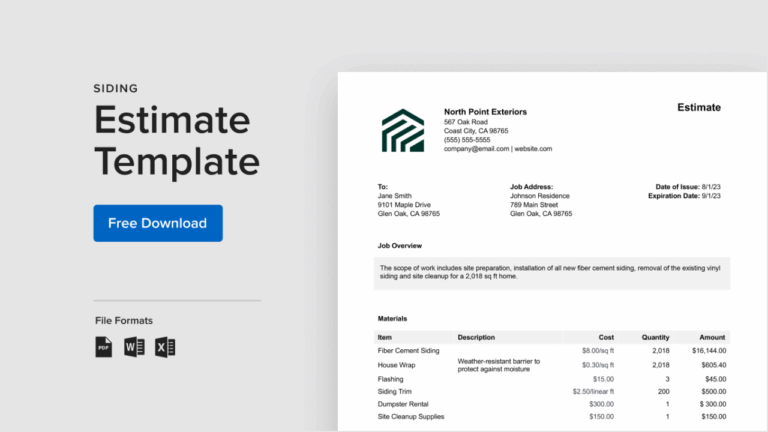
Factors influencing the total cost include the type of siding, the size and complexity of your house, and the condition of your existing siding. Labor costs vary based on the project’s scope and location. Material availability and market conditions also play a role. The provided table comparing vinyl, wood, and fiber cement siding helps illustrate these cost differences. Additional considerations, such as permits, potential DIY approaches, and financing options, are also discussed. Getting multiple quotes from contractors is essential to ensure you’re making an informed decision.
Estimating Costs
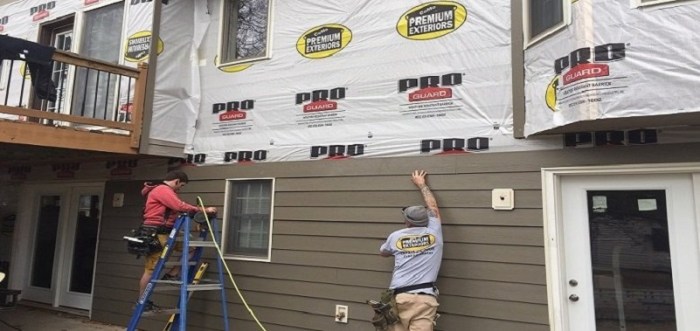
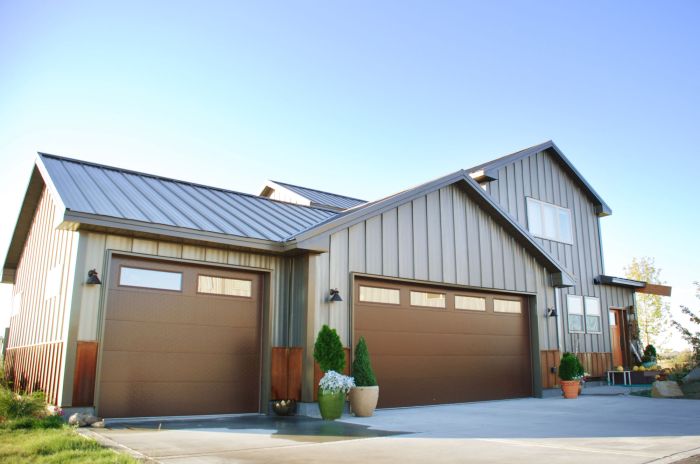
Source: thehaystackneedleonline.com
Determining the cost of replacing your home’s siding is a crucial step in planning the project. A precise estimate considers numerous factors, ranging from material choices to labor rates and project specifics. Careful evaluation of these elements allows homeowners to make informed decisions and stay within budget.
Accurate cost estimation is essential for effective planning and responsible budgeting. Understanding the various influencing factors enables homeowners to make informed decisions about their siding replacement project. This involves not only the cost of materials but also the time and expertise required for installation.
Factors Influencing Siding Replacement Costs
Several factors significantly impact the overall cost of siding replacement. These factors include the type and quantity of siding material needed, the complexity of the project’s scope, labor rates in the local area, and the availability of materials. The impact of each factor contributes to the final price.
- Material Selection: The type of siding material directly affects the cost. Different materials have varying price points per square foot, reflecting differences in production costs, durability, and maintenance requirements.
- Project Complexity: The complexity of the project significantly impacts labor costs. Houses with intricate architectural details or extensive siding areas will necessitate more labor hours, leading to higher costs.
- Labor Rates: Local labor rates play a substantial role in the overall cost. Regional variations in wages for contractors and installers contribute to the final price. A contractor in a high-cost-of-living area will likely charge more than a contractor in a lower-cost area.
- Material Availability: Material availability can fluctuate, influenced by market conditions and supply chain disruptions. Shortages or delays in material delivery can increase costs and project timelines.
- Additional Services: Any additional services required, such as roof repairs or window replacements, will also increase the total cost of the project. These additional services must be accounted for in the overall budget.
Siding Material Price Ranges
Different siding materials offer varying price points, and these differences stem from their inherent properties and market availability. The price per square foot for each type reflects the manufacturing and installation considerations.
- Vinyl Siding: Vinyl siding, a popular choice for its low maintenance, typically costs between $5 and $15 per square foot. Its affordability and wide availability make it an attractive option for homeowners.
- Wood Siding: Wood siding, known for its aesthetic appeal, generally ranges from $8 to $20 per square foot. However, its higher maintenance requirements (e.g., regular painting or staining) need to be factored into the long-term cost.
- Fiber Cement Siding: Fiber cement siding, a durable and long-lasting option, typically falls within a price range of $12 to $25 per square foot. Its high-end quality often justifies the higher cost.
Labor Cost Considerations
Labor costs are a significant portion of the total siding replacement expense. Project scope, including the size and complexity of the home’s exterior, directly influences the hours required for installation.
- Project Scope: The size and complexity of the project directly affect the labor hours required. A larger home with intricate details will necessitate more labor time and, consequently, higher labor costs.
- Contractor Experience: The experience and qualifications of the contractor chosen also impact the labor cost. Experienced contractors may charge higher rates due to their expertise and proven track record.
- Local Labor Market: The local labor market conditions significantly influence the cost. Areas with a high demand for construction workers or higher overall labor costs will likely have higher labor rates.
Impact of Market Conditions
Market conditions can significantly influence siding replacement costs. Factors such as material availability and overall economic trends affect pricing. Fluctuations in material availability or demand can impact prices.
- Material Availability: Material availability directly affects pricing. Supply chain disruptions or shortages can lead to price increases and delays in project completion.
- Economic Conditions: Economic conditions, such as inflation or recession, can impact the cost of labor and materials. Inflationary periods typically lead to increased costs for both.
- Competition: The level of competition among contractors in the local area can also affect pricing. A competitive market may lead to more favorable pricing for homeowners.
Factors Affecting Cost
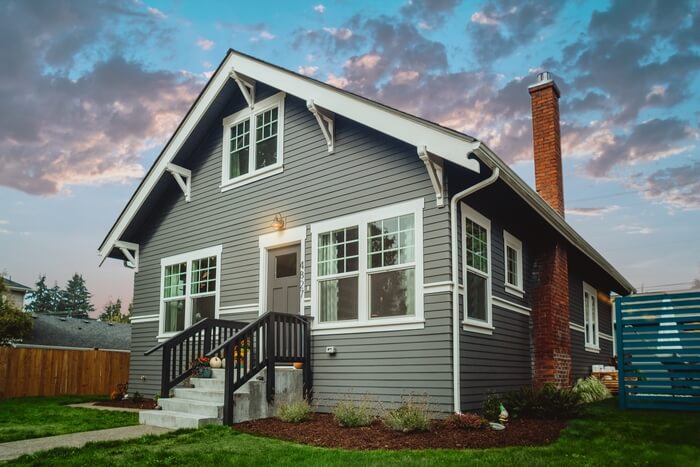
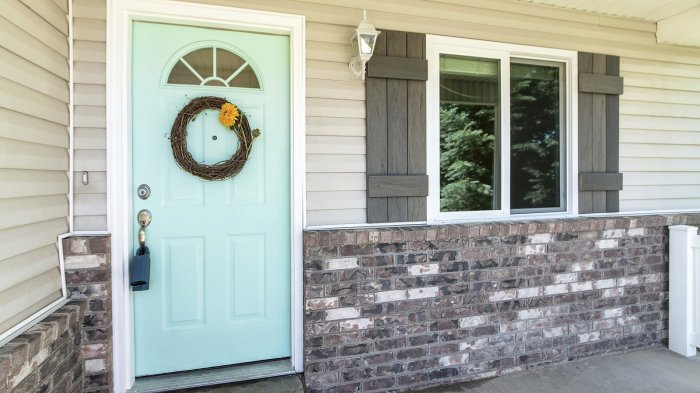
Source: modernize.com
Determining the precise cost of siding replacement hinges on a multitude of factors. These variables influence the overall project budget, making accurate estimations crucial for homeowners planning this significant home improvement. Understanding these elements empowers informed decision-making, ensuring a smooth and financially sound project.
House Size and Complexity
The size and architectural intricacy of a house directly impact the labor and material requirements for siding replacement. A large, multi-level home with complex architectural features, such as bay windows or dormers, will necessitate more labor hours and specialized materials, thus increasing the overall cost. Conversely, a smaller, simpler home will typically require less time and materials, resulting in a lower cost. This difference in scale necessitates careful consideration when assessing the project’s financial implications. For example, a two-story home with a gable roof will have a higher cost compared to a single-story ranch style home.
Condition of Existing Siding
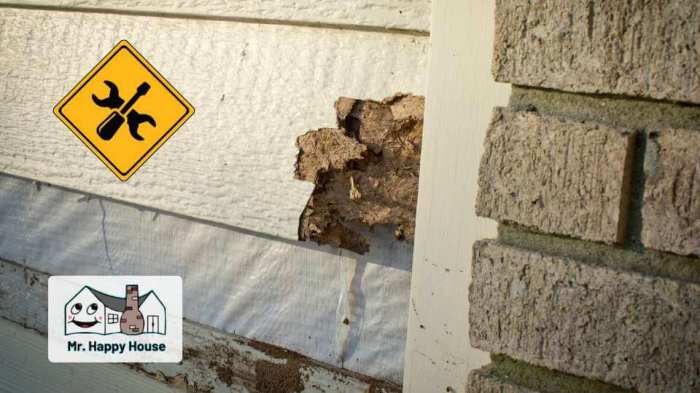
The condition of the existing siding plays a significant role in determining the replacement cost. If the siding is in excellent condition, requiring only minor repairs, the cost will be lower than a scenario where extensive repairs or replacements are necessary. Deteriorated or damaged siding often necessitates additional labor for repairs or replacement of damaged framing, which directly increases the project’s overall cost. Significant damage to the existing structure may necessitate additional framing and support to ensure the stability of the structure before siding replacement.
Additional Materials
The need for supplementary materials, such as insulation or flashing, also influences the total cost. Houses lacking adequate insulation may require additional insulation to improve energy efficiency. The addition of insulation and appropriate flashing to prevent water damage can increase the cost significantly. If the existing siding doesn’t have proper flashing, addressing this issue will contribute to the cost.
Installation Techniques
Different installation techniques can affect the final cost. Employing specialized installation methods, like using advanced fastening systems or employing more labor-intensive techniques, might increase the cost. The complexity of the installation technique, including the required tools and specialized expertise, plays a vital role in shaping the total cost. For instance, using advanced nail guns or specialized siding fasteners may add to the project’s cost compared to traditional methods.
Cost Variations Based on Project Size
The following table illustrates the potential cost variations based on the size of the project:
| Project Size | Estimated Cost Range (USD) |
|---|---|
| Small (e.g., single-story house, 1000 sq ft) | $5,000 – $15,000 |
| Medium (e.g., two-story house, 1500 sq ft) | $10,000 – $25,000 |
| Large (e.g., large home with complex features, 3000 sq ft) | $20,000 – $50,000+ |
Note: These are estimated ranges and actual costs may vary depending on specific circumstances.
Gathering Quotes
Securing accurate quotes from multiple contractors is crucial for getting the best value for your siding replacement project. A well-prepared approach ensures you receive competitive bids and make an informed decision. This process involves understanding the project scope, researching contractors, and evaluating their proposals.
Steps to Obtain Multiple Quotes
A systematic approach to obtaining multiple quotes is key. First, identify reliable contractors. Next, clearly define the project scope and specifications. Finally, compare the quotes received based on factors beyond just price. Thorough preparation will save time and effort in the long run.
- Identify Potential Contractors: Research contractors in your area specializing in siding installations. Check online directories, ask for referrals from neighbors or friends who have recently had similar work done, and attend local home improvement events. This proactive approach will yield a robust pool of potential candidates.
- Detailed Project Scope Description: Prepare a comprehensive description of the project, including the type of siding desired, the size of the house, the specific areas requiring replacement, and any special considerations, such as architectural details or challenging access points. This will prevent misunderstandings and ensure all contractors are bidding on the same project. A detailed scope also allows for a more accurate cost estimate.
- Contacting Potential Contractors: Contact potential contractors via phone, email, or online forms. Online platforms offer a convenient way to gather initial contact information and project estimates. Referrals and networking provide insights into a contractor’s reputation and work quality. Personal recommendations from trusted sources often result in a higher likelihood of a good outcome.
- Contractor Evaluation: Thoroughly investigate potential contractors. Verify their licenses, insurance coverage, and past project experience. Look for licenses and insurance certificates to ensure they are legitimate and up-to-date. Check online reviews and testimonials to gain insights into their work quality and customer satisfaction. References are valuable to understand their reputation and previous projects.
- Reviewing Contractor Bids: Create a checklist for reviewing contractor bids. Include factors such as project timelines, warranty information, payment terms, and detailed descriptions of the materials and labor costs. This systematic review allows you to compare the proposals effectively and select the most suitable contractor for your needs.
Contractor Bid Comparison
A clear comparison of contractor bids helps in making a well-informed decision. This involves organizing the quotes and evaluating the different aspects of each proposal.
| Contractor | Quote | Experience | Insurance | License |
|---|---|---|---|---|
| ABC Siding | $10,000 | 10 years | Yes | Valid |
| XYZ Siding | $12,000 | 5 years | Yes | Valid |
| DEF Siding | $9,500 | 7 years | Yes | Valid |
The table above provides a simple example of comparing contractor bids. Consider factors such as experience, insurance, and licensing in addition to the quoted price when making your decision. A more comprehensive review should include detailed descriptions of the proposed materials, warranties, and timelines. Thorough analysis is essential to ensure you choose the best contractor for your needs.
Additional Considerations: How Much To Replace The Siding On My House
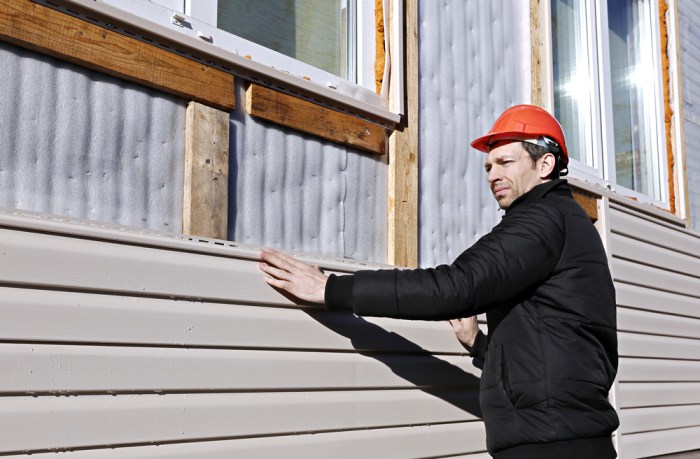
Source: modernize.com
Replacing your home’s siding is a significant undertaking, requiring careful planning beyond just gathering quotes. Understanding the legal, financial, and practical aspects will help you make informed decisions and avoid potential problems. This section explores crucial factors to consider before embarking on your siding replacement project.
Permits and Inspections
Siding replacements, depending on local building codes, often require permits and inspections. Failure to obtain the necessary permits can lead to significant legal issues, including fines or project delays. Inspections ensure the work meets building codes and standards, safeguarding your investment and ensuring structural integrity. It is essential to consult with your local building department to determine the specific requirements for your area. This proactive step helps prevent future complications and ensures the project is compliant with local regulations.
DIY Approaches and Savings
While professional installation offers expertise and warranties, homeowners might consider DIY approaches for some aspects of the project, potentially leading to cost savings. However, DIY projects come with significant caveats. The quality of the finished work can be inconsistent, and without proper training or tools, errors might compromise the siding’s longevity and efficiency. Careful evaluation of your skill level, available time, and potential risks is crucial before undertaking any DIY elements.
Financing Options
Home improvement projects, like siding replacement, can involve substantial financial commitments. Several financing options are available, from traditional loans to home equity lines of credit. Understanding the terms, interest rates, and repayment schedules is critical. A well-researched and compared financing plan can help manage the financial burden and optimize your investment. Consider the potential impact on your overall financial health and weigh the advantages and disadvantages of each option.
Warranties and Guarantees
Warranties and guarantees are crucial elements to protect your investment in a siding replacement project. They assure the quality of materials and workmanship, offering recourse if problems arise. Thoroughly review the terms of any warranties provided by contractors and suppliers. Compare warranties for different materials and installation methods. Understanding the warranty duration, coverage, and procedures for filing claims will help you make informed decisions.
Financing Options Comparison
Different financing options for home improvements offer varying terms and conditions. Traditional loans, typically with fixed interest rates, provide a clear repayment structure, while home equity lines of credit (HELOCs) offer flexibility but often come with higher interest rates. Evaluating your financial situation, credit score, and repayment capacity is essential before choosing a financing option. Each financing method has its advantages and disadvantages, so a detailed comparison of available options is advisable.
Questions to Ask Contractors
Thoroughly vetting contractors is essential to ensure a successful siding replacement project. Asking pertinent questions during the bidding process is crucial for informed decision-making.
- What is your company’s experience with siding installations?
- What specific materials and installation methods will you use?
- What are your payment terms?
- What is the timeline for completing the project?
- What are the details of your warranties and guarantees?
- Do you have any certifications or licenses?
- Can you provide references from past clients?
- What is your approach to managing potential issues during the project?
- How will you handle potential weather delays?
- What is your approach to waste disposal and environmental considerations?
Project Timeline and Management
Planning and managing the siding replacement project effectively is crucial for a smooth and successful outcome. A well-defined timeline, along with proactive management, minimizes potential delays and keeps the project on track. This section details the typical project steps, their durations, and strategies to anticipate and overcome common challenges.
Typical Steps in a Siding Replacement Project
The siding replacement process typically involves several key steps, each with its own estimated duration. Understanding these steps and their sequence allows for realistic expectations and better project management.
- Assessment: This initial phase involves a thorough inspection of the existing siding, the house’s structure, and the surrounding area. This includes identifying the type of siding, assessing its condition, and determining the necessary repairs or replacements. A professional assessment is essential to determine the project scope accurately. This phase typically takes 1-2 days, depending on the complexity of the house and the presence of any hidden issues. Factors like weather conditions and availability of the homeowner could affect this duration.
- Permitting: Obtaining necessary permits is a crucial step that varies by local regulations. The time required for permit approval can fluctuate significantly based on local authorities and the complexity of the project. This step can take anywhere from a few days to a few weeks.
- Materials Ordering: Ordering materials is essential to ensure the project progresses on schedule. The time required depends on the availability of materials and the volume of the order. Delays in material delivery are a common problem. A comprehensive ordering list and advance communication with suppliers help mitigate this. This usually takes 3-5 business days.
- Preparation and Demolition: This stage involves removing the old siding, preparing the surface for installation, and making necessary repairs to the underlying structure. The time required depends on the size of the house and the condition of the existing siding. This phase typically takes 2-4 days.
- Installation: Installing the new siding is a crucial phase requiring specialized expertise. The time needed for installation is heavily influenced by the size of the project and the weather conditions. Weather delays are a common occurrence and should be factored into the timeline. This stage generally takes 3-5 days.
- Clean-up and Final Inspection: This involves tidying up the work area and conducting a final inspection to ensure the job meets the agreed-upon standards. This phase usually takes 1-2 days.
Strategies for Managing Project Timeline and Expectations
Effective project management is essential to maintain a smooth workflow. Open communication between the homeowner and the contractor is key to managing expectations and mitigating potential issues.
- Establish Clear Communication Channels: Regular communication between the homeowner and the contractor helps address any issues or concerns promptly. Scheduling regular check-ins helps track progress and manage expectations.
- Realistic Time Estimates: Understanding the project’s scope and duration is essential for managing expectations. Consider potential delays due to weather conditions, material shortages, or unforeseen issues. A flexible approach is necessary for adjustments to the schedule.
- Contingency Planning: Anticipate potential delays, such as weather conditions or material shortages. Having a contingency plan ensures the project can adapt to unexpected issues. This includes alternative solutions and backup timelines.
Common Challenges and Mitigation Strategies, How much to replace the siding on my house
Several challenges can impact the timeline of a siding replacement project. Addressing these challenges proactively can help maintain a smooth project workflow.
- Weather Delays: Adverse weather conditions can significantly impact the installation process. The contractor and homeowner should have a clear understanding of how weather-related delays will be handled.
- Material Shortages: Unforeseen material shortages can lead to significant delays. Ordering materials in advance, or having alternative options, is critical to minimize the impact of these issues.
- Permitting Issues: Obtaining necessary permits can be time-consuming, particularly if there are unforeseen complications. Thorough research into the local permitting process, and having a backup plan in place can reduce the impact.
Timeline Example for a Typical Siding Replacement Project
The following table provides an example timeline for a typical siding replacement project. This example is not exhaustive and should be adapted to the specific project.
| Step | Estimated Time | Potential Delays |
|---|---|---|
| Assessment | 1 day | Permitting issues |
| Materials Ordering | 3 days | Material shortages |
| Permitting | 7 days | Complex permitting process |
| Preparation and Demolition | 2 days | Hidden structural issues |
| Installation | 5 days | Adverse weather conditions |
| Clean-up and Final Inspection | 1 day | N/A |
| Total Estimated Time | 20 days | Various |
Final Review
In conclusion, replacing your house’s siding is a significant undertaking, and understanding the cost factors is essential for a smooth and successful project. We’ve explored the key components affecting the overall cost, from material selection and labor to project size and necessary repairs. Getting multiple quotes and comparing contractor bids are vital steps in the process. The importance of permits, potential DIY savings, and financing options should also be considered. Ultimately, careful planning, comparison shopping, and proactive management will lead to a positive outcome. Remember, a well-managed project, from initial planning to final completion, will help you avoid unnecessary delays and cost overruns.