How Much to Replace Vinyl Siding with Brick
How much to replace vinyl siding with brick depends on a multitude of factors. Project size, material choices (brick type and installation complexity), and labor costs all play a crucial role. Understanding these variables is key to getting an accurate estimate and avoiding surprises down the line. This guide explores the various aspects impacting the total cost, from material selection to permit requirements, helping you make informed decisions for your home improvement project.
The cost breakdown will cover everything from the different types of brick and their prices to the potential labor expenses. We’ll also delve into factors like permit requirements, site preparation, and potential unforeseen expenses. A detailed look at each element of the project, from initial planning to final execution, ensures a comprehensive understanding of the overall financial commitment.
Project Scope and Factors
Replacing vinyl siding with brick is a significant home improvement project that involves several factors impacting the overall cost. Careful consideration of these factors is crucial for budgeting and project planning. Accurate cost estimations are essential for informed decision-making.
The cost of replacing vinyl siding with brick is a complex calculation dependent on numerous variables. Understanding these variables is paramount to realistic budgeting and successful project completion.
Influencing Factors
Various factors significantly impact the total cost of replacing vinyl siding with brick. These include the size of the project, material costs, and labor expenses.
- Project Size (Square Footage): The area of the house requiring siding replacement directly affects the cost. Larger homes necessitate more materials and labor, leading to a higher overall price. A 2,000 square foot house will likely have a significantly higher cost compared to a 1,000 square foot house, even with similar material selections.
- Material Costs: Brick type, labor costs, and installation complexity are key determinants in material costs. The type of brick selected (e.g., standard brick, face brick, or a custom blend) significantly influences the price. Labor costs vary based on installation complexity, which depends on the brick type and the structure of the house.
- Brick Type: The cost difference between standard brick and face brick can be substantial. Face brick, often featuring more intricate textures and patterns, typically commands a higher price due to its production methods and design complexity. Standard brick, on the other hand, is generally more affordable. The cost difference reflects the varying levels of craftsmanship and aesthetic appeal.
- Labor Costs: Skilled labor is essential for proper installation of brick siding. Factors like the brick type, the complexity of the installation, and the location of the project can all affect labor costs. For example, installing brick on a multi-story house will be more complex and thus more expensive than on a single-story home.
- Installation Complexity: The complexity of the installation plays a critical role. Houses with intricate architectural details, unusual shapes, or challenging access points (e.g., steep slopes or difficult-to-reach areas) will require more labor time and specialized techniques, thus increasing the installation cost.
Impact of Project Size
Project size directly correlates with the overall cost. A larger project necessitates more materials and labor, leading to a higher final price.
The square footage of the house is a critical factor in determining the cost of siding replacement. More square footage means a larger quantity of materials and labor hours, which translates to a greater total cost.
Material Cost Comparison
Different brick types vary significantly in cost.
- Standard Brick: Typically more affordable than face brick, standard brick offers a good balance between cost and quality. The simplicity of its production process and design contribute to its lower cost.
- Face Brick: Face brick, known for its intricate textures and patterns, often commands a higher price. The specialized production processes and the aesthetic appeal contribute to its premium cost.
Estimated Replacement Costs
The following table provides estimated replacement costs for vinyl siding with brick, categorized by house size. These are approximations and actual costs may vary.
| House Size (sq ft) | Estimated Replacement Cost (USD) |
|---|---|
| 1,000 | $15,000 – $25,000 |
| 1,500 | $22,500 – $37,500 |
| 2,000 | $30,000 – $50,000 |
| 2,500 | $37,500 – $62,500 |
Labor Costs and Considerations
Replacing vinyl siding with brick is a substantial undertaking, and labor costs play a significant role in the overall project expense. Understanding the factors influencing these costs is crucial for accurate budgeting and informed decision-making. Different regions, contractor qualifications, and project specifics all contribute to the final price tag.
Accurate cost estimation for labor involves considering various aspects beyond simply calculating hours. The complexity of the project, material handling, and potential unforeseen challenges all impact the overall timeline and expenses. This section details the different components of labor costs, the regional variations, and strategies for estimating these crucial elements.
Demolition Costs
Demolition of the existing vinyl siding is a necessary preliminary step. These costs are often underestimated, as they can be affected by the condition of the siding, the type of fasteners used, and the complexity of the structure. The removal process might involve specialized tools, additional time, and potential damage to the underlying materials. Factors such as access, structural limitations, and site conditions all contribute to the specific demolition costs.
Material Handling Costs
Brick installation requires careful handling of materials to ensure minimal damage and efficient placement. Costs associated with material transport, storage, and preparation can vary significantly. For example, the distance between the supply source and the construction site, as well as the availability of readily accessible storage space, directly influence the material handling expenses. Factors like the volume of brick required, delivery schedules, and potential inclement weather conditions further impact these costs.
Installation Costs
Brick installation itself involves a significant labor component. Factors influencing installation costs include the complexity of the design, the size of the house, the amount of brick required, and the experience level of the installers. For instance, intricate patterns or unique architectural features will typically lead to higher installation costs. The brick type (e.g., size, weight, and availability), the need for specialized tools, and the required precision all contribute to the installation costs.
Impact of Labor Rates by Region
Labor rates fluctuate significantly across different regions. The cost of living, local regulations, and competition among contractors all contribute to these variations. A contractor in a high-cost-of-living area will likely charge more per hour than one in a lower-cost area. This is a critical consideration when comparing quotes from contractors in different locations. For example, labor costs in major metropolitan areas are often higher than those in rural areas.
Importance of Licensed and Insured Contractors
Hiring licensed and insured contractors is essential for the safety of the project and the protection of your interests. Licensed contractors adhere to industry standards and regulations, while insurance coverage safeguards against potential accidents or damages during the project. It also provides legal protection in case of disputes or unforeseen issues. Choosing unlicensed contractors may expose you to significant risks and liabilities.
Estimating Labor Costs
Several methods can be used to estimate labor costs. Hourly rates are a common approach, where the contractor charges a set amount per hour for each worker involved in the project. Project-based fees, on the other hand, provide a fixed price for the entire project, regardless of the actual hours worked. Using detailed project specifications and quotes from multiple contractors can provide a clearer understanding of the potential labor costs.
Labor Cost Comparison (Example), How much to replace vinyl siding with brick
| Region | Average Hourly Labor Rate (USD) |
|---|---|
| Northeast | $50-$75 |
| Midwest | $45-$65 |
| South | $40-$60 |
| West | $55-$80 |
*Note: These are illustrative examples and actual costs may vary significantly based on specific project details and local market conditions.
Material Costs and Selection
Source: clemenshomesolutions.com
Choosing the right materials is crucial for a successful and cost-effective vinyl siding replacement project. Understanding the different types of brick, their installation methods, and the associated costs will help you make informed decisions. This section delves into the specifics of material selection, focusing on cost-effectiveness and practical considerations.
Brick Types and Costs
Brick comes in a variety of types, each with its own aesthetic appeal and cost. Common types include clay brick, concrete brick, and composite brick. Clay brick, often considered the traditional choice, offers a classic look but typically comes with a higher price tag due to the manufacturing process. Concrete brick provides a more affordable alternative while still offering good durability. Composite brick, a relatively newer material, combines elements of both clay and concrete, aiming for a balance between cost and aesthetic quality. The price of each type will vary based on the specific characteristics, such as size, color, and finish. Local suppliers and online retailers can offer detailed pricing information for your area.
Brick Installation Methods and Costs
The method of brick installation directly impacts the overall cost. Dry-stacking, while sometimes used for decorative elements, is typically less common for full-scale siding replacements due to its inherent instability and lack of structural support. Mortar-based installation, the most prevalent method, requires skilled labor and specialized tools. The complexity of the installation, such as the need for custom shapes or intricate designs, will affect the labor costs. Consider the time and effort required for each method, as this can significantly impact the total project cost.
Mortar Types and Costs
Various types of mortar are available, each with different properties and costs. Portland cement mortar is a standard choice, offering good strength and durability. Lime mortar, a more environmentally friendly option, might be slightly more expensive but often provides a unique aesthetic and potentially better moisture resistance. The choice of mortar will depend on factors such as the specific brick type, the local climate, and the desired longevity of the installation. Understanding the strengths and weaknesses of each type is crucial for selecting the appropriate mortar for your project.
Material Costs and Accessories
Beyond the bricks themselves, several other materials contribute to the total project cost. Flashing, used to prevent water damage, is essential and adds to the overall expense. Additional accessories like corner pieces, coping, and trim will also need to be considered. The price of these components can vary widely depending on the quality and type. Thorough research and gathering quotes from multiple suppliers are recommended to ensure you’re getting the best value for your investment.
Summary Table of Brick Types
| Brick Type | Approximate Cost (per unit) | Installation Method | Typical Durability |
|---|---|---|---|
| Clay Brick | $1.50 – $5.00 | Mortar-based | High |
| Concrete Brick | $0.75 – $3.50 | Mortar-based | Medium-High |
| Composite Brick | $2.00 – $4.50 | Mortar-based | High |
Note: Costs are estimates and can vary based on region, supplier, and specific brick characteristics.
Permits and Regulations
Navigating the local permitting process is crucial for any home improvement project, especially when replacing siding. Understanding the specific requirements in your area ensures the project is legally sound and avoids potential setbacks or costly rework. This section details the typical permitting procedures and the factors that influence the project’s overall cost.
Permit Requirements for Siding Replacements
Permitting requirements vary significantly by location, depending on local building codes and regulations. These regulations aim to ensure the safety and aesthetic harmony of the neighborhood. A common thread is the need to provide detailed plans and specifications to the local permitting authority. These plans typically include the materials being used, the proposed design, and any structural modifications.
Impact of Local Building Codes on Project Costs
Local building codes often dictate the types of materials that can be used, the methods of installation, and the necessary safety precautions. Stricter codes, especially regarding energy efficiency and fire safety, can lead to higher material costs, such as the use of more insulated or fire-resistant siding. These additional requirements can significantly impact the project budget. For example, in areas with stringent energy codes, upgrading to high-performance insulation or specialized siding may be necessary, increasing the project’s overall cost.
Unforeseen Costs Due to Code Requirements
Occasionally, unforeseen code requirements emerge during the permitting process. This could involve needing additional inspections, modifications to the project design, or acquiring specialized permits, like those related to historical districts or environmentally sensitive areas. Such requirements can add considerable expense and project delays. Homeowners should be prepared for the possibility of these unforeseen expenses, which are often not anticipated in initial estimates.
Sample Permit Fees for Siding Replacements
The following table provides a general illustration of potential permit fees for siding replacement projects in different jurisdictions. Keep in mind that these are estimates and actual fees can vary significantly depending on the specific project scope and local regulations.
| Jurisdiction | Estimated Permit Fee (USD) | Notes |
|---|---|---|
| City A (Mid-sized city) | $200 – $500 | Standard residential siding replacement |
| County B (Rural area) | $100 – $300 | Simple siding replacement |
| City C (Large city with historic district) | $500 – $1000 | Potential for additional review due to historic district regulations |
Permit Acquisition Process
The process for obtaining necessary permits typically involves several steps. First, gather the necessary documentation, including property information, project plans, and material specifications. Second, submit the application and accompanying documents to the appropriate local authority. Third, schedule inspections with the relevant building departments, and be prepared to address any questions or concerns they may raise. Finally, once all inspections are completed and any necessary modifications are made, the permit is issued. Thorough communication and adherence to local regulations are essential for a smooth permitting process.
Additional Expenses: How Much To Replace Vinyl Siding With Brick
Source: bbsiding.com
Beyond the core costs of materials and labor, several additional expenses can significantly impact the overall project budget for replacing vinyl siding with brick. Careful consideration of these factors is crucial for accurate cost estimation and a smooth project execution.
These additional expenses often arise from unforeseen circumstances or necessary preparatory steps. Understanding their potential impact allows for more realistic budgeting and informed decision-making. These factors are often overlooked, leading to budget overruns or dissatisfaction with the final outcome.
Site Preparation Costs
Proper site preparation is essential for a successful installation. This includes clearing the area of debris, grading, and ensuring the foundation is sound. The extent of site preparation will depend on the current state of the property. Significant landscaping work, such as removing large trees or extensive grading, will substantially increase these costs. A detailed assessment of the site’s current conditions is crucial to determine the level of preparation required and the associated expenses.
Waste Removal and Cleanup Costs
Removing debris and waste generated during the installation process is often overlooked. The amount of waste can vary significantly depending on the size of the project and the extent of demolition required. It’s crucial to obtain quotes from waste removal companies and include the associated costs in the overall budget. Estimating waste removal costs can be done by considering factors like the volume of materials to be removed and the type of waste. For instance, a complete siding removal will generate more waste than a partial replacement, thus increasing the waste removal cost.
Repair Costs for Existing Framing or Structural Elements
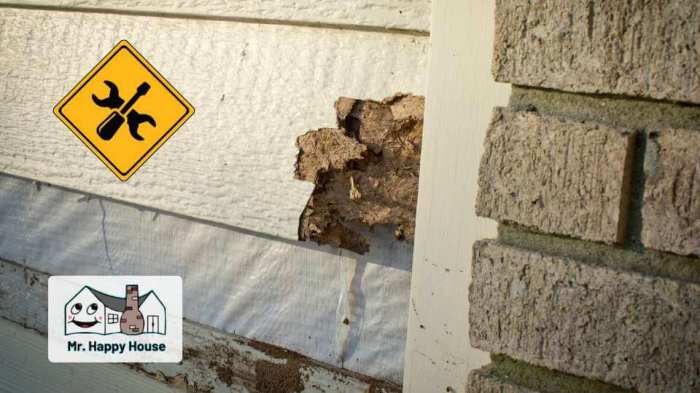
During the siding removal process, existing structural elements may require repair or replacement. Hidden damage to framing or other supporting structures may come to light. For example, rotted wood or damaged support beams might require significant repair work, substantially increasing the overall project cost. It is vital to conduct a thorough inspection of the existing structure before starting the siding replacement project to anticipate and account for any potential repair needs.
Landscaping Protection Costs
Protecting landscaping and nearby structures from damage during the installation process is crucial. This involves creating temporary barriers, covering delicate plants, and carefully managing the construction zone. Protective measures might include erecting fences, covering plants with plastic sheeting, or employing specialized landscaping techniques. Failing to adequately protect landscaping could lead to costly repairs or replacement of damaged plants.
Estimating Waste Removal and Cleanup Costs
Estimating waste removal costs involves considering the volume of debris and the type of waste. One approach is to obtain quotes from local waste removal companies based on a detailed description of the expected waste. Another approach involves calculating the approximate cubic yards of waste based on measurements of the removed materials. Finally, it is possible to estimate the cost based on similar projects in the area. Examples of the type of waste can include debris from the demolition of the vinyl siding, wood scraps, and packing materials. Understanding the waste removal process and obtaining detailed quotes is essential for accurately predicting costs.
Calculating Landscaping Damage Costs
Estimating potential landscaping damage costs requires a thorough assessment of the existing landscaping. Identifying and documenting any existing damage before the start of the project is crucial. If any plant damage occurs during the project, obtain quotes for repair or replacement of damaged plants. One way to estimate costs is by calculating the replacement cost of damaged plants, considering their species, age, and size. For instance, replacing a mature oak tree would be more expensive than replacing a small flowering plant. A comprehensive assessment of the landscaping before and after the project is crucial for calculating the actual damage and associated costs.
Estimating Total Costs
Accurately estimating the total cost for a vinyl siding to brick replacement project is crucial for budgeting and avoiding surprises. A detailed approach ensures you understand all the financial implications, enabling informed decision-making. Proper cost estimation involves a systematic breakdown of labor, materials, permits, and potential unforeseen expenses.
A well-structured estimation process is vital for project success. This involves not only the initial cost calculation but also incorporating contingencies to account for potential increases. This proactive approach protects against cost overruns and maintains financial stability throughout the project.
Detailed Cost Calculation Process
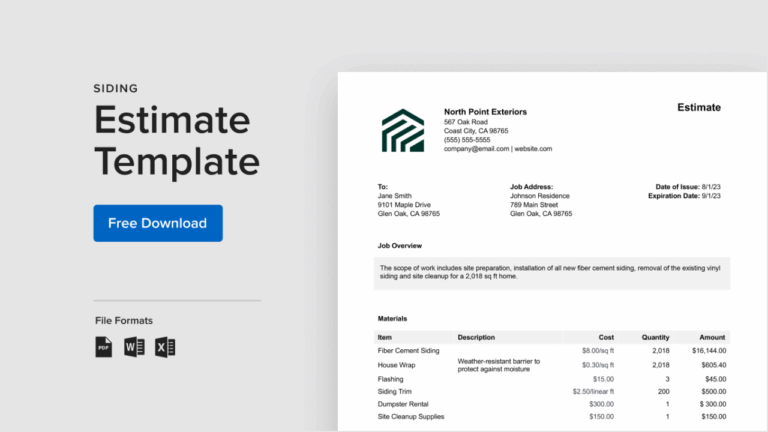
A systematic approach to calculating the total cost involves several key steps. First, meticulously document all the project’s specifics, including the precise dimensions of the house’s exterior. Second, obtain detailed quotes from contractors, focusing on both labor and material costs. Third, gather information about permit fees, which can vary significantly based on local regulations. Finally, evaluate potential additional expenses, like disposal fees or unforeseen issues.
Cost Tracking Template
A well-organized spreadsheet or project management software is beneficial for tracking costs. This template should include columns for: Date, Description of Expense, Category (Labor, Materials, Permits, etc.), Amount, and Supporting Documentation. This structured approach provides a clear record of all expenditures, enabling a comprehensive overview of the project’s financial progress. This template will allow for easy retrieval of specific cost data at any point during the project.
Factors Influencing Final Cost
Numerous factors influence the final cost of the project. These include:
- House Size and Complexity: Larger houses with intricate designs generally require more materials and labor, increasing costs. For instance, a multi-story home with complex architectural features will command a higher price than a simple ranch-style house.
- Material Selection: Different types of brick, including their quality and availability, can vary significantly in cost. The choice of brick and mortar can influence the overall budget. Different finishes (e.g., glazed, rustic) can also impact material costs.
- Labor Costs: Contractor experience, local labor market rates, and the duration of the project impact the total labor cost. Variations in labor costs based on geographic location and demand are significant.
- Permitting and Regulations: Local building codes and permitting processes can add to the overall cost. The complexity of the local permitting process can significantly influence the timeline and ultimately the cost of the project.
- Contingency Planning: Unexpected issues, like material shortages or weather delays, should be factored into the budget. A reasonable contingency amount is essential for any construction project.
Cost Summary Table
This table summarizes the key factors impacting the final cost.
| Factor | Description | Potential Impact on Cost |
|---|---|---|
| House Size | Square footage and architectural complexity | Higher for larger, more complex houses |
| Brick Type | Quality, finish, and availability | Significant variation in price |
| Labor Costs | Contractor experience, local rates | Impacts total project cost |
| Permitting | Local regulations and processes | Can add to total project cost |
| Contingency | Unexpected issues, delays | Critical for cost control |
Sample Project Estimate
Consider a project to replace 1500 square feet of vinyl siding with brick veneer. The estimated costs are:
Labor: $10,000
Materials: $8,000
Permits: $500
Contingency: $1,500
The total estimated cost for this project is $20,000. This is a hypothetical scenario and specific costs can vary widely based on specific conditions and location.
Incorporating Contingencies
Contingency planning involves adding a buffer to the estimate to account for unforeseen circumstances. For example, adding 10-15% to the total estimated cost is a common practice. This buffer helps to manage unexpected delays or material cost increases. In the sample project, a 10% contingency adds $2,000 to the estimated total, bringing the final estimate to $22,000. A thorough analysis of potential risks is essential to determine the appropriate contingency amount.
Conclusive Thoughts
In conclusion, replacing vinyl siding with brick is a significant undertaking that involves careful consideration of various factors influencing the overall cost. By meticulously analyzing project scope, labor rates, material costs, permit requirements, and potential additional expenses, you can develop a realistic estimate and effectively manage the financial implications. This guide has presented a comprehensive overview to aid you in making informed decisions and successfully navigating this home improvement project.