Lowes Siding Estimate Your Guide
Lowes siding estimate – Lowe’s siding estimate helps homeowners understand the process of getting a quote for siding replacement or installation. It details the types of siding available, factors influencing cost, and essential information for a comprehensive estimate. This comprehensive guide will walk you through the process from understanding the request to comparing estimates and managing the project timeline, providing valuable insights into making informed decisions.
From material choices to labor costs, the guide explores the various factors that contribute to the final price. It also provides a sample form for gathering necessary information, highlighting the importance of detailed input for accurate estimates. This guide will help you navigate the world of siding estimates with confidence.
Understanding the Lowe’s Siding Estimate Request
Source: prismic.io
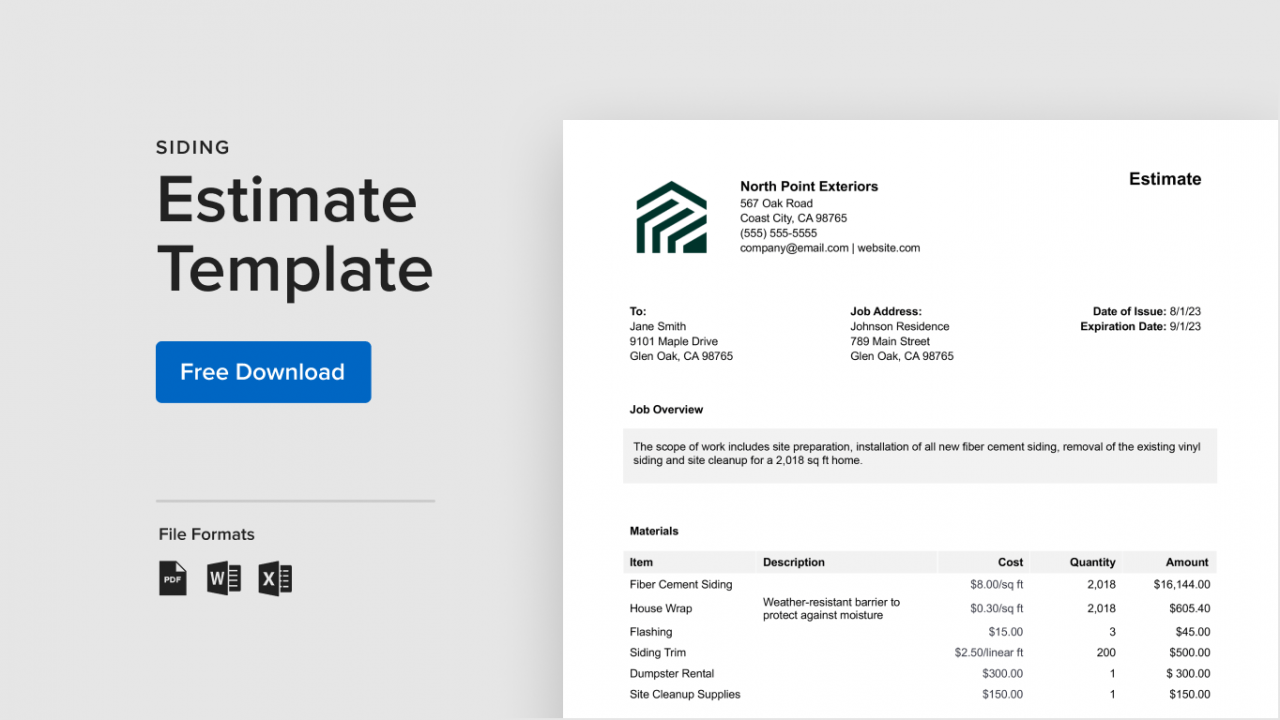
A Lowe’s siding estimate is a crucial document outlining the projected costs and procedures for a siding replacement or installation project. It provides a detailed breakdown of the estimated expenses, including materials, labor, and potential additional charges. This allows homeowners to make informed decisions about their home improvement projects.
A comprehensive Lowe’s siding estimate is not just a price tag; it’s a roadmap to the entire process. It details the materials, labor, and timeline involved, empowering homeowners to plan effectively and budget accurately. This detailed estimate ensures a transparent and predictable outcome for the project.
Siding Options and Their Impact
Lowe’s offers a wide array of siding options, each influencing the estimate’s final figure. The choice of siding material significantly impacts the cost. Different materials have varying durability, maintenance requirements, and aesthetic appeal.
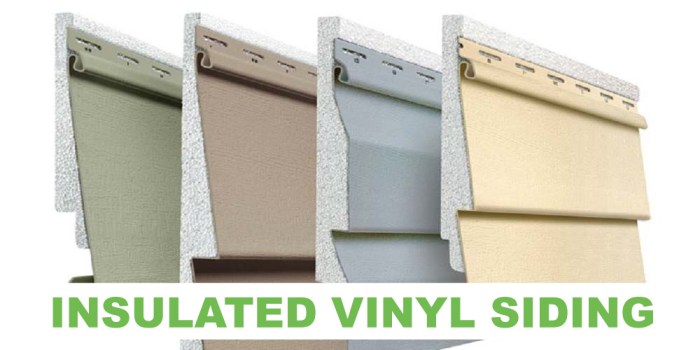
- Vinyl Siding: A popular and relatively affordable choice. Vinyl siding is known for its low maintenance and wide range of colors and styles. The estimate will likely reflect the cost per square foot of vinyl, potentially factoring in the number of required panels and labor for installation. For example, a standard vinyl siding installation might cost $5-8 per square foot, depending on the complexity of the project and the labor rates.
- Fiber Cement Siding: Known for its strength and longevity, fiber cement siding provides a more substantial look and often comes with a longer warranty. This translates to a higher upfront cost per square foot in the estimate compared to vinyl, reflecting the material’s higher quality and durability. An estimate for fiber cement siding might be $10-15 per square foot, again varying with project specifics.
- Wood Siding: Offers a classic aesthetic but requires more maintenance. Wood siding estimates will typically include costs for wood treatment, regular repainting, or staining, and possibly the cost of specialized tools and techniques. Expect estimates to be higher than vinyl or fiber cement due to the higher labor and maintenance demands.
Factors Influencing the Cost
Numerous factors influence the final cost of a Lowe’s siding estimate. The cost is not solely determined by the material; various factors contribute to the total estimate.
- Material Type: As discussed previously, different siding materials have different costs, significantly impacting the overall estimate. The estimate will directly reflect the chosen material’s cost per square foot.
- Labor Rates: The labor involved in siding installation varies depending on the complexity of the project, size of the house, and labor rates in the area. The estimate will incorporate labor charges, which can fluctuate significantly based on geographic location and demand.
- Project Complexity: The size and complexity of the project greatly influence the estimate. Factors like the size of the house, presence of intricate architectural features, and the condition of the existing siding will all affect the overall estimate. A complex project, such as a house with multiple levels and intricate designs, will likely have a higher labor estimate compared to a simpler project.
- Project Size: The total square footage of siding needing replacement is a critical factor. A larger house will naturally have a higher estimate, reflecting the increased amount of material and labor required. The estimate will directly correlate the cost per square foot with the total square footage of the house’s siding.
Information Required for an Estimate
To obtain an accurate Lowe’s siding estimate, specific information is needed. This ensures the estimate accurately reflects the project’s specifics.
- Property Dimensions: Accurate measurements of the house’s exterior walls are essential. This allows for an accurate calculation of the siding area.
- Siding Type and Color Preferences: Specify the desired siding type (vinyl, fiber cement, etc.) and the preferred colors.
- Existing Siding Condition: Describing the condition of the existing siding will help in determining the labor required.
- Additional Considerations: Mention any unique architectural features, potential complications, or specific requirements (e.g., specific siding profiles, trims, etc.).
Gathering Information
A crucial step in securing a reliable Lowe’s siding estimate is thorough information gathering. This process ensures the estimate accurately reflects your project’s specific needs, avoiding costly surprises or inadequate coverage. Understanding the necessary details allows Lowe’s contractors to provide an accurate quote tailored to your house and your desired outcome.
Questions to Ask for a Siding Estimate
Providing the contractor with comprehensive details is key to a precise estimate. Asking specific questions about the process and materials will help you gain a better understanding of the project and ensure the estimate accurately reflects your needs. This proactive approach helps avoid potential issues down the road.
- What specific materials are available and suitable for my home’s architectural style?
- What are the different installation methods, and how do they affect the cost?
- What are the labor costs associated with the installation, and how do these costs vary depending on the complexity of the project?
- What is the estimated time frame for completion, and what factors can influence this timeline?
- What are the warranty options for the siding materials and installation?
Information Needed for a Comprehensive Estimate, Lowes siding estimate
A precise estimate relies on detailed information about your home and project specifications. The more information provided, the more accurate the estimate will be.
- House Dimensions: Accurate measurements of the exterior walls, including the total square footage of the area requiring siding replacement. This should include the length and height of each wall section. Detailed measurements are essential to calculate the precise amount of material needed.
- Siding Material Choices: Specifying the type of siding (e.g., vinyl, fiber cement, wood) and its color is crucial. Different materials have varying costs and installation procedures.
- Special Requirements: Any unique aspects of your home or project, such as architectural details, existing damage, or special installation needs (e.g., corners, dormers), should be noted. This ensures the estimate accounts for any extra work required.
Common Misconceptions About Siding Estimates
Several misconceptions surround siding estimates, leading to potential misunderstandings. Clearing these up can lead to a more productive and satisfactory experience.
- One estimate fits all: Estimates are tailored to specific projects. A single estimate might not encompass all aspects of a complex project, especially those with unique features or substantial areas.
- Estimates are fixed: Estimates are preliminary. Unforeseen circumstances, material availability, or labor challenges can affect the final cost. Contingency planning should be considered.
- Lower prices always mean better value: The lowest price isn’t always the best option. Evaluate the quality of materials, the reputation of the contractor, and the warranty offered.
Sample Estimate Request Form
The following form provides a template for gathering the necessary information for a Lowe’s siding estimate.
| Field | Description |
|---|---|
| Home Address | Full address of the property |
| Exterior Dimensions | Length and height of each wall section requiring siding |
| Siding Material Choice | Specify type (e.g., vinyl, fiber cement) and color |
| Special Requirements | Details on any architectural features, existing damage, or special needs |
| Contact Information | Homeowner’s name, phone number, and email |
Comparing Estimates: Lowes Siding Estimate

Source: amazonaws.com
A crucial step in securing the best siding project is comparing estimates. This allows homeowners to identify the most cost-effective and reliable option, ensuring they get the desired outcome without overspending. Carefully analyzing pricing, materials, labor, and timelines is essential for informed decision-making.
Thorough comparison helps homeowners understand the value proposition of each estimate, enabling a more confident selection process. This approach guarantees a better understanding of the offered services and helps avoid potential pitfalls. Comparing estimates is an important part of the overall siding project planning process.
Comparing Lowe’s and Other Contractor Estimates
A comprehensive comparison of siding estimates necessitates a structured approach. A table is a useful tool for organizing price, materials, labor, and timelines from different sources.
| Factor | Lowe’s Estimate | Contractor A | Contractor B |
|---|---|---|---|
| Price | $10,500 | $9,800 | $11,200 |
| Materials | Premium Vinyl Siding, 8-foot panels | Similar Vinyl Siding, 8-foot panels, with a 10-year warranty | Fiber Cement Siding, 10-foot panels, with a 25-year warranty |
| Labor | $3,000 | $2,800 | $3,500 |
| Timeframe | 4 weeks | 3 weeks | 5 weeks |
Different contractors might offer varying materials, warranties, and installation techniques. This influences the quality and longevity of the siding. For instance, fiber cement siding is often more durable and resistant to weather compared to vinyl.
Quality of Materials Comparison
A critical factor in comparing estimates is the quality of materials. Lowe’s, as a large retailer, often uses standard materials from their suppliers, which are often reliable and competitively priced. Independent contractors, however, might offer specialized materials or custom options, potentially increasing the cost but also enhancing the quality and longevity of the siding. For example, some contractors might use siding with a higher material density, which would resist dents and weathering more effectively.
Questions to Ask Contractors
Asking specific questions ensures transparency and clarity throughout the estimation process. These questions can help determine the contractor’s capabilities and commitment to the project.
- What specific type and grade of siding materials will be used?
- What is the warranty offered on the materials and labor?
- What is the contractor’s experience level and reputation in the local area?
- How will the contractor manage potential weather delays and ensure timely project completion?
- What is the process for handling unforeseen circumstances during installation?
Comparing Estimate Formats
Different contractors use various formats for their estimates. Some provide detailed breakdowns of materials, labor costs, and timelines, while others may present a more general overview. Regardless of the format, it is essential to carefully review each component of the estimate. Carefully examining the specifications and associated costs is critical.
Estimating Costs
Understanding the cost breakdown for a siding project is crucial for making informed decisions. Accurate cost estimates help homeowners avoid unpleasant surprises and ensure a successful project within budget. A comprehensive approach, including material, labor, and potential hidden costs, is essential for a reliable estimate.
Cost Breakdown
A typical Lowe’s siding project cost is composed of several key elements. Material costs vary greatly depending on the type of siding chosen, while labor costs depend on the project’s scope, complexity, and location. Hidden costs, such as permits, disposal fees, and additional repairs, can significantly impact the overall project budget.
Material Costs
The cost of siding materials is a significant factor in any project. Different siding materials offer varying price points. Vinyl siding, a popular choice, typically falls in a mid-range price category, while fiber cement siding, known for its durability, often commands a higher price. Wood siding, while aesthetically appealing, usually carries a higher cost than vinyl or fiber cement. The quantity of material required directly impacts the total material cost.
Labor Costs
Labor costs are influenced by several factors. The size and complexity of the project play a critical role in determining the labor hours needed. Installation techniques and the experience level of the installers also affect labor costs. Local labor rates can also vary, so it’s wise to factor in these regional differences.
Hidden Costs
Unforeseen costs can arise during a siding project. These hidden costs often include permits, disposal fees for old siding, and any additional repairs or adjustments required during the installation process. Accurately estimating these potential hidden costs is important for a realistic budget.
Calculating Square Footage
Determining the square footage of your home’s exterior is essential for calculating siding needs. This involves measuring the linear footage of each wall. For example, if a wall is 20 feet long and 10 feet high, the square footage would be 200 square feet (20 x 10). This process must be repeated for all exterior walls. Tools such as measuring tapes and level are crucial for precise measurements.
Calculating Project Cost
A step-by-step guide to calculating the overall project cost is as follows:
- Gather all material costs from Lowe’s, including siding, fasteners, and other necessary supplies.
- Determine labor costs by obtaining estimates from Lowe’s or other contractors. The labor cost should be based on the estimated square footage of the house to be sided.
- Calculate potential hidden costs, including permits, disposal fees, and additional repairs.
- Sum the material costs, labor costs, and hidden costs to arrive at the total project cost.
Cost-Saving Measures
Several strategies can help reduce the overall project cost. Negotiating with contractors can sometimes lead to discounts on labor costs. Choosing more affordable siding options can significantly reduce material costs. Utilizing materials from a previous project (if applicable) can reduce material costs.
Siding Material Cost Differences
The price differences between various siding materials can be substantial. Vinyl siding is generally the most affordable option, while fiber cement siding, known for its longevity and durability, typically comes at a higher cost. Wood siding, due to its aesthetic appeal and natural beauty, is usually priced higher than both vinyl and fiber cement. Consider the long-term value of each material when making a decision.
Project Timeline and Management
Successfully completing a siding project hinges on meticulous planning and execution. A well-defined timeline, coupled with effective project management, minimizes potential issues and ensures the job is completed on time and within budget. Understanding the key milestones and potential roadblocks is crucial for a smooth process.
Sample Timeline for a Lowe’s Siding Project
This sample timeline provides a general framework; actual durations may vary based on project specifics, weather conditions, and contractor availability. Adjustments should be made based on the unique needs of your project.
- Phase 1: Planning and Preparation (2-4 weeks): This phase involves site assessment, material ordering, obtaining permits (if required), and scheduling the installation crew. The timeframe depends on the complexity of the project and the availability of necessary approvals.
- Phase 2: Installation (3-6 weeks): This is the core phase, encompassing the actual siding application. Factors such as the size of the house, the type of siding, and the complexity of the installation will determine the duration.
- Phase 3: Completion and Inspection (1-2 weeks): This final phase includes cleaning up the worksite, final inspections, and any necessary touch-ups. The time for completion and inspection is contingent on the thoroughness of the previous steps.
Step-by-Step Guide to Effective Project Management
A structured approach streamlines the process, reducing the chance of errors and delays.
- Establish Clear Communication: Regular communication with the contractor is essential. Schedule meetings, use project management software, or utilize other communication tools to stay informed and address concerns promptly. This fosters a shared understanding of the project’s progress and potential obstacles.
- Thorough Documentation: Document all aspects of the project, including initial estimates, contracts, material specifications, and daily progress updates. This record-keeping aids in dispute resolution and ensures accountability.
- Monitor Progress Regularly: Schedule periodic site visits to observe the installation process and identify any potential issues early on. This proactive approach enables timely interventions and prevents problems from escalating.
- Address Delays Proactively: Be prepared for unexpected delays, such as weather conditions or material shortages. Establish contingency plans and communicate with the contractor to mitigate the impact of these setbacks.
Potential Delays and How to Address Them
Delays are inevitable in any construction project.
- Weather Conditions: Adverse weather can significantly impact the installation schedule. Discuss with the contractor about adjusting the timeline or employing protective measures to ensure safety and maintain the project’s quality.
- Material Shortages: Unforeseen material shortages can delay the project. Having alternative materials on standby or working with suppliers to expedite deliveries can help minimize disruptions.
- Contractor Issues: Unforeseen circumstances, such as unforeseen complications with the siding material, may lead to delays. Having contingency plans and backup contractors can mitigate these situations.
Common Issues During Siding Projects and Their Resolution
Issues can arise during siding projects, necessitating swift and effective responses.
| Issue | Resolution |
|---|---|
| Poor Installation Quality | Address issues promptly with the contractor. Document the problems and seek immediate remediation. |
| Material Defects | Verify the warranty of the materials and promptly contact the supplier for replacement or compensation. |
| Damage to Existing Structures | Immediately address the issue with the contractor to avoid further complications. |
| Unexpected Challenges | Remain flexible and work with the contractor to develop a solution. Re-evaluate the budget and timeline as needed. |
Additional Resources
Homeowners seeking Lowe’s siding estimates often benefit from exploring various resources to make informed decisions. This section provides helpful tools and insights to navigate the process effectively, from online calculators to contractor reviews.
Online Calculators and Guides
Understanding the cost implications of siding projects is crucial. Online calculators can assist in estimating material costs based on square footage, material type, and labor rates. These tools often incorporate variables like region-specific costs, and can provide a preliminary estimate. Similarly, guides offer valuable information on the siding process, from choosing materials to understanding local building codes. This can aid in understanding the overall scope of the project before engaging with contractors.
Siding Cost Calculators and Software
Several tools and software packages are designed to streamline the siding cost estimation process. These tools can take into account factors like material prices, labor costs, and project specifics to provide a more detailed estimate. For example, some software can calculate the precise amount of siding needed based on house dimensions, enabling homeowners to avoid over-purchasing or under-estimating materials. Spreadsheet software, coupled with data from reputable sources, can also be used to manage the financial aspect of the project effectively.
Contractor Reviews and Testimonials
Thorough research on contractors is crucial. Reading reviews and testimonials from past clients provides insights into a contractor’s reliability, professionalism, and work quality. These insights are valuable for assessing a contractor’s performance history, communication skills, and adherence to project timelines and budgets. Potential homeowners can find reviews on various online platforms, enabling them to make informed decisions about who to hire.
Common Questions and Answers
| Question | Answer |
|---|---|
| How can I find reliable siding contractors? | Online directories, referrals from friends and family, and local business listings are effective methods to locate qualified contractors. Verify licenses and insurance before hiring. |
| What are the typical ranges of siding costs? | Siding costs vary considerably based on material type, labor rates, and project scope. Researching local pricing trends and comparing quotes from multiple contractors will give you a more comprehensive understanding. |
| How can I ensure the quality of the siding installation? | Thoroughly vet contractors by examining their experience, checking for relevant certifications, and reviewing client testimonials. Include detailed specifications in the contract for clarity and to ensure a quality installation. |
| What factors influence the cost of a siding project? | Factors like the type of siding material, the size of the house, the complexity of the project, and labor rates all contribute to the total cost. In addition, the need for specialized services, like roof repairs, might also increase the cost. |
| How do I choose the right type of siding? | Consider the aesthetic preferences for the home, the desired durability, and the maintenance requirements of different siding materials. Factors such as climate and budget also play a significant role in the selection process. |
Visual Representation
Understanding a Lowe’s siding estimate requires a clear visualization of the project. Visual aids, such as detailed descriptions and visual representations, significantly improve comprehension and allow homeowners to better grasp the scope and implications of the project. This section will demonstrate how visual representations can assist in this process.
A Homeowner’s Siding Estimate Scenario
A homeowner, Sarah, is seeking a Lowe’s siding estimate for her Craftsman-style bungalow. The house, situated on a corner lot, features a gabled roof, a front porch with columns, and a slightly overhanging eaves. The existing siding is aged vinyl, showing signs of discoloration and damage in areas. The house has a medium-sized yard with mature trees. Sarah wants to replace the entire exterior siding with a durable and aesthetically pleasing material that complements the home’s architectural style.
Siding Options for Sarah’s House
The following table presents various siding options available for Sarah’s Craftsman-style bungalow, considering aesthetic impact, cost, and durability. These factors are crucial in making an informed decision.
| Siding Type | Aesthetic Impact | Estimated Cost (per sq ft) | Durability |
|---|---|---|---|
| Fiber Cement Siding | Elegant, wide range of colors, mimics natural wood | $5-$8 | High; Resistant to rot, pests, and weather. Long lifespan. |
| Vinyl Siding | Variety of colors, styles, and textures; relatively inexpensive. | $3-$5 | Moderate; susceptible to dents and scratches, but durable if properly maintained. |
| Wood Siding | Classic, warm aesthetic, but requires maintenance. | $6-$10 | Moderate; susceptible to rot and insect damage, but can be beautiful. |
Visual Representation of a Typical Lowe’s Siding Project
A typical Lowe’s siding project involves several key steps and materials. Visualizing these components facilitates a better understanding of the entire process. The project involves:
- Assessment and Planning: A crucial first step is to carefully measure the house’s exterior walls and gather necessary information, such as architectural style and existing siding type. This is to determine the correct amount of materials needed.
- Material Procurement: Ordering the chosen siding materials from Lowe’s, including siding panels, trim pieces, fasteners, and any other necessary accessories. The order will depend on the specific needs and quantity required for the project.
- Installation: Hiring or self-performing the siding installation, ensuring proper techniques are followed for optimal results and longevity. This involves careful preparation, fastening, and sealing the siding panels. Carefully following instructions and seeking professional assistance where needed is crucial. The project requires tools and proper safety equipment.
- Finishing Touches: Cleaning the area, disposing of debris, and ensuring all edges are finished to maintain the aesthetic appeal. This final step is crucial to achieving a complete and professional result.
Importance of Visual Aids in Understanding Lowe’s Siding Estimates
Visual aids, like the table and the described project steps, provide a concrete representation of the various options and processes involved. This tangible representation enables homeowners to better grasp the cost implications, the aesthetics, and the project’s timeline. Visual aids translate complex information into easily understandable concepts. They are indispensable in making informed decisions about siding replacement projects.
Outcome Summary
In conclusion, obtaining a Lowe’s siding estimate involves understanding the request, gathering information, comparing estimates, estimating costs, and considering various siding options. This comprehensive guide provides a clear framework for homeowners to navigate the process, ensuring they make informed decisions throughout the project. The detailed information and practical tips included will empower you to effectively manage the entire siding project.