Most Durable Home Siding A Comprehensive Guide
Most durable home siding is crucial for a long-lasting and attractive home. This guide explores various siding materials, from traditional wood to modern composites, analyzing their durability, lifespan, and performance characteristics in different climates. We’ll delve into installation best practices, maintenance strategies, and even examine case studies of successful long-term installations. Furthermore, emerging trends in siding technology and common issues homeowners face will be addressed.
Choosing the right siding material depends on several factors, including budget, desired aesthetics, and local climate conditions. Understanding the strengths and weaknesses of each material, along with proper installation and maintenance, is key to maximizing the lifespan and value of your home’s exterior. This comprehensive guide provides a practical and insightful overview for homeowners seeking durable and aesthetically pleasing siding solutions.
Introduction to Durable Siding Materials
Choosing the right siding material for your home is crucial for its longevity and aesthetic appeal. Different materials offer varying levels of durability, cost-effectiveness, and maintenance requirements. Understanding the strengths and weaknesses of each option allows homeowners to make informed decisions that align with their budget and lifestyle.
A well-maintained siding system can significantly enhance the curb appeal and protect the structural integrity of a house for decades. This overview explores various siding materials, their durability characteristics, and factors influencing their longevity.
Overview of Siding Materials
Different siding materials exhibit distinct characteristics in terms of durability, cost, and maintenance. This section details the common types, highlighting their unique features.
- Wood Siding: Traditional wood siding, such as clapboard or shingles, offers a classic aesthetic. However, its susceptibility to moisture damage, insect infestation, and rot necessitates regular maintenance and protection. While visually appealing, wood siding typically requires more upkeep than other options.
- Vinyl Siding: Vinyl siding is a popular choice due to its low-maintenance nature and resistance to rot, insects, and warping. Its durability is often enhanced by UV stabilizers, protecting it from discoloration and degradation over time. Vinyl siding is a cost-effective option with a relatively short installation time.
- Fiber Cement Siding: Fiber cement siding provides a durable and aesthetically pleasing alternative to wood and vinyl. Its resistance to fire, rot, and insect infestation makes it a long-lasting choice. While offering enhanced durability, fiber cement siding is generally more expensive than vinyl.
- Metal Siding: Metal siding, including steel and aluminum, is known for its exceptional durability and weather resistance. It offers a long lifespan and minimal maintenance needs, but its appearance may not be as versatile as other options. Metal siding is a robust choice, particularly for areas with harsh climates.
- Engineered Composites: Engineered composite siding combines the best features of different materials. These advanced siding materials typically offer superior durability, low maintenance, and a wide array of aesthetic choices. This innovative option balances aesthetics with exceptional longevity and low-maintenance characteristics.
Factors Influencing Siding Longevity
Several factors can influence the lifespan of any siding material. This section explores the key elements impacting longevity.
- Climate: Extreme temperatures, high humidity, and heavy rainfall can accelerate the deterioration of siding materials. Areas with harsh climates may require more robust materials and enhanced installation techniques.
- Installation Quality: Proper installation is paramount for siding longevity. Poorly installed siding can lead to premature damage and reduced lifespan. Certified and experienced installers are critical to achieving optimal performance and durability.
- Maintenance Practices: Regular cleaning, sealing, and repairs can significantly extend the life of siding. Consistent maintenance helps prevent damage from weathering, insects, and other environmental factors.
Comparative Analysis of Siding Materials
This table provides a comparison of different siding materials based on cost, installation complexity, and estimated lifespan.
| Siding Material | Cost (Average) | Installation Complexity | Estimated Lifespan (Years) |
|---|---|---|---|
| Wood | $5-$15 per square foot | Medium | 15-25 |
| Vinyl | $5-$10 per square foot | Low | 20-30 |
| Fiber Cement | $10-$20 per square foot | Medium-High | 50-75 |
| Metal | $10-$25 per square foot | Medium-High | 50-75 |
| Engineered Composites | $10-$20 per square foot | Medium | 30-50 |
Performance Characteristics of Durable Siding
Source: dreamstime.com
Durable siding materials are crucial for the longevity and aesthetic appeal of a home. Their performance characteristics directly impact the overall lifespan and maintenance requirements of the structure. Understanding these characteristics allows homeowners to make informed decisions about the best siding type for their needs and budget.
The effectiveness of siding materials is determined by their resistance to various weather elements, pest infestations, and moisture damage. Factors like thermal performance and proper installation play a significant role in ensuring the siding’s durability. This section will delve into these crucial aspects.
Resistance to Weather Elements
Different siding materials exhibit varying degrees of resistance to weather elements. Wood siding, for instance, is susceptible to damage from rain, snow, and prolonged exposure to direct sunlight, potentially leading to rot and warping. Vinyl siding, on the other hand, is highly resistant to moisture, but can be affected by extreme temperatures. Metal siding, like aluminum or steel, demonstrates remarkable resilience to wind and rain, but can be susceptible to dents or corrosion if not properly coated.
Resistance to Pests and Rot
Siding materials differ significantly in their resistance to pests and rot. Wood siding is highly vulnerable to termites, carpenter ants, and fungal growth, necessitating regular inspections and treatments. Vinyl siding is virtually impervious to insect infestations and rot. Metal siding, if properly maintained, offers good protection against pests, although some types of metal may be more susceptible to corrosion than others.
Thermal Performance (Insulation)
Thermal performance is a key factor influencing the overall durability of siding. Siding with good insulation properties helps regulate interior temperatures, reducing the risk of moisture buildup and potential damage from extreme temperature fluctuations. Properly insulated siding minimizes the risk of thermal shock, which can cause cracks or warping in vulnerable materials. For instance, certain types of composite siding can have varying levels of insulation, impacting energy efficiency and minimizing damage from temperature changes.
Impact of Moisture on Siding Materials
Moisture is a significant threat to most siding materials. Water absorption and subsequent swelling can cause warping, cracking, and detachment. Different materials handle moisture differently. Vinyl siding, being non-porous, is highly resistant to moisture absorption. Wood siding, on the other hand, absorbs moisture readily, making it more susceptible to rot and decay. Properly installed and maintained siding can mitigate the effects of moisture.
Impact of Proper Installation
Proper installation is critical for maximizing the durability of any siding material. Correctly installed siding ensures proper ventilation, prevents gaps that allow moisture to penetrate, and provides structural support. Poorly installed siding can lead to premature deterioration, requiring costly repairs or replacements. Examples of proper installation include using appropriate fasteners, ensuring proper spacing, and providing adequate drainage. By following manufacturer guidelines and using high-quality installation techniques, homeowners can significantly extend the lifespan of their siding.
Installation and Maintenance Practices for Maximum Durability
Proper installation and ongoing maintenance are crucial for ensuring the longevity and aesthetic appeal of any siding material. A well-installed system, using the right materials and techniques, is the foundation for a durable and attractive home exterior. Neglecting these aspects can lead to premature deterioration, costly repairs, and a diminished property value.
A well-maintained siding system not only protects the home from the elements but also contributes to its overall curb appeal. Regular inspections and maintenance help identify potential problems early, preventing them from escalating into major issues. This proactive approach ensures the siding’s longevity and maintains its attractive appearance.
Essential Steps in Proper Siding Installation, Most durable home siding
Careful adherence to the manufacturer’s guidelines is paramount for optimal siding performance. Each material type requires specific installation procedures. Incorrect installation can lead to leaks, water damage, and structural issues.
- Vinyl Siding: Ensure proper nailing or fastening, and adhere to the recommended spacing between boards to allow for expansion and contraction. Use appropriate flashing at intersections and around windows and doors to prevent water infiltration.
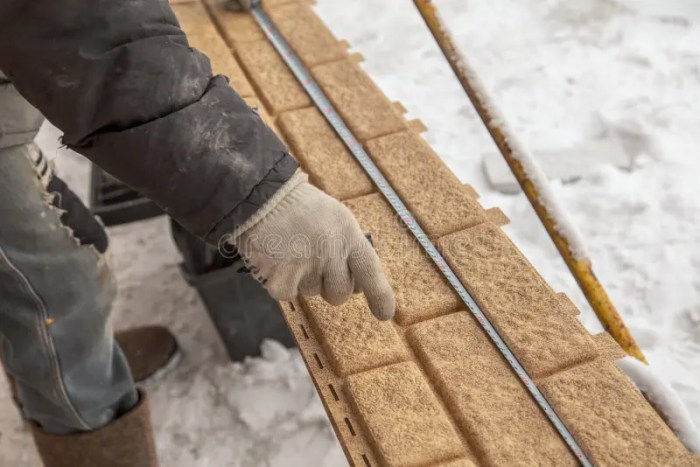
- Fiber Cement Siding: Precisely measure and cut the panels to fit the wall. Install using the appropriate fasteners, ensuring proper spacing and depth to avoid damage to the siding or the supporting structure. Use proper flashing and caulking.
- Wood Siding: Use pressure-treated lumber or equivalent. Install with adequate spacing for ventilation and drainage. Use appropriate sealants and caulk to prevent moisture penetration. Thorough surface preparation, such as priming and sealing, is critical to prevent rot and insect infestation.
Importance of High-Quality Fasteners and Materials
The quality of fasteners and materials directly impacts the siding’s durability. Using inferior products can compromise the system’s integrity and lead to costly replacements sooner than expected.
High-quality fasteners, such as stainless steel or galvanized nails, offer superior corrosion resistance. Using proper sealant and adhesives prevents water infiltration and protects the siding against weathering. The choice of materials should consider the local climate and expected environmental conditions.
Best Practices for Inspecting and Maintaining Durable Siding
Regular inspection is key to identifying potential problems before they escalate. Visual inspections should be conducted at least twice a year, more frequently in harsh climates.
- Look for: Loose or missing fasteners, cracks or damage to the siding, signs of moisture intrusion, and any signs of insect or animal activity.
- Check for: Water stains, mold or mildew growth, and gaps or openings that could allow water to penetrate.
- Inspect: Flashing, caulking, and trim areas for signs of damage or deterioration. Properly seal and repair any identified issues promptly to avoid further damage.
Frequency of Maintenance Needed for Different Siding Materials
The frequency of maintenance varies depending on the material and environmental conditions.
| Siding Material | Maintenance Frequency |
|---|---|
| Vinyl | Annual visual inspection, caulking, and sealing as needed. |
| Fiber Cement | Annual visual inspection, caulking, and sealing as needed. |
| Wood | Quarterly inspection, sealing, and painting as needed. Regular maintenance is critical to prevent decay. |
Step-by-Step Guide for Homeowners
This guide provides basic maintenance steps. For more complex issues, consult a qualified professional.
- Visual Inspection: Thoroughly examine the entire siding system for any signs of damage or deterioration. Note any loose fasteners, cracks, or water stains.
- Cleaning: Use a mild detergent and water to clean the siding. Avoid harsh chemicals that could damage the material. A soft-bristled brush can help dislodge dirt and debris.
- Caulking and Sealing: Inspect and reseal any gaps or openings around windows, doors, and other vulnerable areas. This helps prevent water infiltration.
- Repair: Address any identified damage, such as replacing damaged panels or securing loose fasteners. Document repairs for future reference.
- Professional Assistance: For more complex issues or extensive repairs, consult a qualified siding contractor.
Future Trends in Durable Siding Technologies
Source: gambrick.com
The demand for durable and aesthetically pleasing home siding continues to rise, driving innovation in materials and installation techniques. This evolution is particularly important given the increasing frequency and intensity of extreme weather events. Future trends focus on enhancing durability, minimizing environmental impact, and maximizing performance in challenging conditions.
Emerging technologies are poised to reshape the siding industry, offering homeowners options that surpass traditional materials in both longevity and sustainability. This section explores the promising advancements in siding materials and the growing emphasis on environmentally responsible practices.
Emerging Siding Materials
A variety of innovative materials are gaining traction in the siding market. These materials often offer superior performance characteristics compared to traditional options, such as vinyl or wood. Composite materials, engineered wood products, and advanced polymer formulations are examples of emerging trends. These advancements are pushing the boundaries of durability, aesthetics, and sustainability.
- Composite siding, often combining wood fibers with polymers, provides a balance between the natural beauty of wood and the low-maintenance nature of vinyl. These composites offer high resistance to rot, insect damage, and weathering, extending their lifespan significantly.
- Engineered wood siding, with its enhanced stability and resistance to warping, offers a more natural look than vinyl or composite siding. The use of advanced treatments can further enhance durability against moisture and decay.
- Advanced polymer-based sidings are being developed with improved UV resistance and enhanced weatherproofing. These materials often feature improved color retention and resistance to fading.
Innovative Approaches to Enhance Durability
Beyond new materials, advancements in installation and finishing techniques contribute significantly to the durability of siding.
- Advanced fastening systems and improved sealants can significantly reduce the risk of water penetration, mitigating the risk of rot, mold, and other damage. This contributes to the overall lifespan of the siding.
- Coatings and finishes designed with enhanced UV resistance and self-cleaning properties minimize the need for regular maintenance and enhance the longevity of the siding’s aesthetic appeal.
Sustainability in Future Siding Materials
Sustainability is a key driver in the evolution of siding materials. Homeowners are increasingly seeking options that minimize environmental impact.
- Recycled and reclaimed materials are being incorporated into siding production, reducing the demand for virgin resources and lowering the environmental footprint. This contributes to a more sustainable building practice.
- The use of sustainably sourced wood from responsibly managed forests is gaining importance. This approach ensures that siding production does not compromise the health of the environment.
- Materials with low embodied energy, meaning the energy required for their production and transportation, are becoming increasingly popular. This reduction in energy consumption contributes to a more sustainable building practice.
Innovative Siding Materials and Their Projected Performance
The table below showcases a selection of innovative siding materials, their projected lifespan, and key sustainability metrics. Note that projected lifespans are estimations and may vary based on environmental factors and installation quality.
| Material | Projected Lifespan (Years) | Sustainability Metrics (e.g., Recycled Content, Embodied Energy) |
|---|---|---|
| Recycled Composite Siding | 30-40 | High recycled content, low embodied energy |
| Engineered Wood Siding (Treated) | 40-50 | Sustainably sourced wood, moderate embodied energy |
| Advanced Polymer Siding | 50+ | Low embodied energy, high UV resistance |
Examples of Sustainable Materials and Climate Change Resistance
Some siding materials exhibit remarkable resistance to the effects of climate change.
- Composite siding, with its inherent resistance to moisture and rot, demonstrates resilience against increasing rainfall and humidity. Its ability to withstand these conditions makes it an attractive option in regions experiencing higher levels of precipitation.
- Engineered wood siding, when treated appropriately, can provide a sustainable and durable solution to withstand the effects of extreme weather conditions, such as heavy snowfall or high winds. The durability is enhanced by advanced treatments that prevent rot and warping, thereby minimizing the need for repairs.
Addressing Common Siding Issues: Most Durable Home Siding
Source: dreamstime.com
Homeowners often encounter various issues with their siding, ranging from minor cosmetic imperfections to significant structural problems. Understanding these common problems, their causes, and effective solutions is crucial for maintaining the long-term integrity and aesthetic appeal of a home’s exterior. Addressing these issues promptly and appropriately can prevent further damage and save money in the long run.
A proactive approach to siding maintenance involves regular inspections and prompt repairs. Identifying potential problems early minimizes the extent of necessary repairs and prevents the escalation of issues. Early detection and intervention are key to preserving the value and longevity of a home’s siding.
Common Siding Problems and Their Causes
Siding issues are often a result of environmental factors, improper installation, or the inherent limitations of the material itself. Understanding the root causes of these problems is crucial for implementing effective solutions. Typical concerns include rot, warping, pest infestations, and material damage due to weather exposure.
Rot and Moisture Damage
Wood siding and even some composite materials are susceptible to moisture damage. Prolonged exposure to moisture, particularly in areas with high humidity or poor drainage, can lead to rot and decay. Poorly sealed or installed siding can exacerbate the issue, allowing water to penetrate and damage the underlying structure. Furthermore, inadequate ventilation around the siding can trap moisture, increasing the risk of rot. Solutions include proper drainage around the house, sealing gaps in the siding, and using moisture-resistant materials.
Warping and Distortion
Siding materials can warp or distort due to fluctuations in temperature and moisture levels. Expansion and contraction from temperature changes can stress the siding, causing it to bow, crack, or buckle. Additionally, improper installation techniques or inadequate support can contribute to warping. Addressing these issues involves ensuring proper installation techniques, using materials that can withstand these fluctuations, and addressing any pre-existing issues with the structure of the home.
Pest Infestations
Termites, carpenter ants, and other wood-boring insects can severely damage siding materials, especially wood or composite siding. These pests tunnel into the wood, creating structural weaknesses and leading to significant damage. Regular inspections and preventative measures like sealing entry points and using pest-resistant materials can minimize the risk of infestations. Professional pest control services are often necessary for severe infestations.
Troubleshooting Common Siding Problems
A proactive approach to troubleshooting siding issues involves visual inspections, checking for signs of moisture damage, and assessing the structural integrity of the siding. Visual inspection should include checking for gaps, cracks, or bulging areas. Moisture damage may be evident through discoloration, softness, or a musty odor. Inspecting for signs of pest activity, such as small holes or sawdust, is also essential.
Solutions and Costs for Siding Problems
| Problem | Solution | Estimated Cost (USD) |
|---|---|---|
| Rot | Replacing rotted sections, repairing damaged areas, and improving drainage | $500 – $3,000+ |
| Warping | Repairing warped sections, reinforcing support, and replacing damaged sections | $200 – $2,000+ |
| Pest Infestation | Pest control treatment, repairing damage, and preventative measures | $100 – $1,000+ |
| Material Damage | Repairing or replacing damaged areas, applying protective coatings | $100 – $5,000+ |
Note: Costs are estimates and can vary based on the extent of the damage, material type, and location. Professional assessments are recommended for accurate cost estimations.
Final Summary
In conclusion, selecting the most durable home siding involves careful consideration of material properties, installation techniques, and long-term maintenance. Factors like climate, budget, and personal preferences play a vital role in the decision-making process. This guide offers a comprehensive analysis of various options, providing valuable insights into lifespan, performance, and cost-effectiveness. By understanding these factors, homeowners can confidently choose the best siding for their specific needs and ensure their homes’ lasting beauty and value.