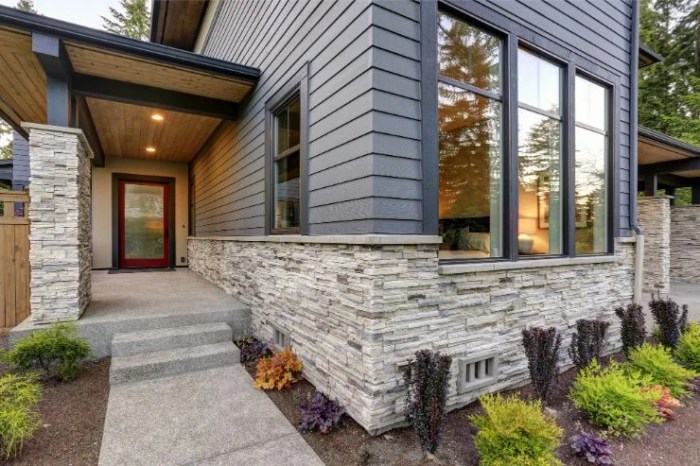
Most Durable Siding for House A Comprehensive Guide
Most durable siding for a house sets the stage for this comprehensive guide, exploring a wide range of materials and factors affecting longevity. From vinyl and wood to fiber cement and metal, this analysis will equip you with the knowledge to make an informed decision for your home’s exterior. Understanding the nuances of material composition, installation techniques, and environmental considerations is key to maximizing the lifespan of your siding.
This guide delves into the science behind siding durability, examining factors like resistance to rot, insects, and moisture. We’ll cover performance standards and testing methods, helping you understand the certifications and warranties that signal quality. Furthermore, this discussion will explore how different climates affect siding choices, offering tailored recommendations for various geographic locations. Finally, we’ll weigh the cost-effectiveness of different options, considering initial investment, long-term maintenance, and overall return on investment. Ultimately, you’ll gain a deep understanding of which siding material is best suited for your home.
Introduction to Durable Siding Materials
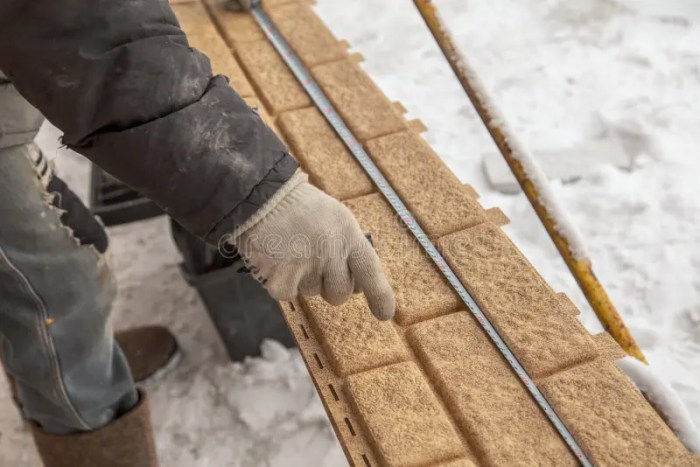
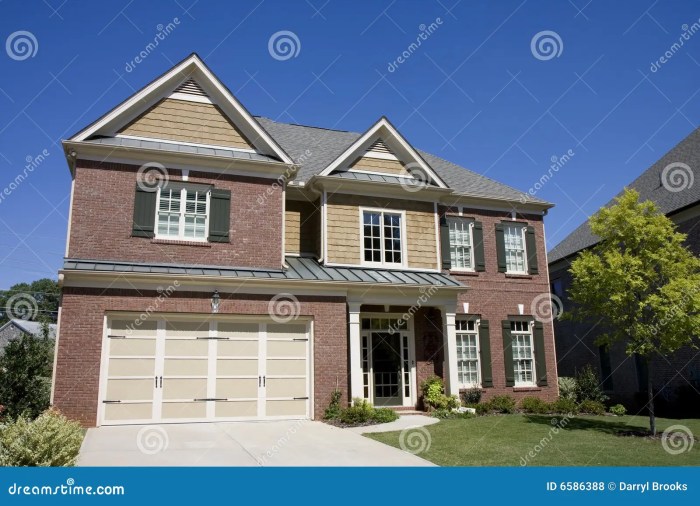
Source: dreamstime.com
Choosing the right siding material for your home is crucial for both aesthetics and long-term value. Different materials offer varying levels of durability, weather resistance, and maintenance requirements. A durable siding system can significantly reduce the need for costly repairs and replacements over the life of your house. Understanding the properties of each material will allow you to make an informed decision tailored to your specific needs and budget.
Understanding the factors influencing siding durability is key to selecting the optimal material. These factors encompass resistance to moisture, pests, and extreme temperatures, as well as the material’s inherent strength and susceptibility to damage. Furthermore, the lifespan of siding is often directly correlated with the quality of the installation and the homeowner’s diligence in maintaining it.
Common Siding Materials
Various materials are commonly used for residential siding, each with unique characteristics. Understanding these differences is essential for selecting the most suitable option.
- Vinyl siding is a popular choice due to its affordability, low maintenance, and resistance to rot and insect infestations. It comes in a wide array of colors and styles, allowing for customization. Vinyl siding is generally easy to install and requires minimal upkeep, making it a cost-effective option for many homeowners.
- Wood siding provides a classic and natural aesthetic, offering a wide variety of wood types and finishes. However, wood siding requires regular maintenance, including sealing and painting, to prevent decay and insect damage. Proper upkeep is crucial to maximizing the lifespan of wood siding.
- Fiber cement siding mimics the look of natural wood but boasts superior durability and resistance to rot, insects, and fire. Its long lifespan and low maintenance needs make it a strong contender for homeowners seeking a durable and attractive exterior.
- Metal siding, including aluminum and steel, offers exceptional durability and weather resistance. It typically has a long lifespan and requires minimal maintenance. However, metal siding may not be as aesthetically diverse as other options.
Factors Contributing to Siding Durability
Several key factors determine the durability of a siding material. These include resistance to moisture, pests, and extreme temperatures. The material’s inherent strength and its susceptibility to damage also play a crucial role.
- Resistance to Moisture: Materials that resist moisture penetration are less prone to rot, mold, and mildew. This is critical in regions with high humidity or frequent rainfall.
- Resistance to Pests: Some siding materials are more resistant to insect infestations and rot compared to others. This can save homeowners significant money and time spent on pest control and repairs.
- Resistance to Extreme Temperatures: Materials that can withstand extreme temperatures are more likely to maintain their integrity over time. Factors like thermal expansion and contraction need consideration.
- Strength and Susceptibility to Damage: The material’s strength and resilience to impacts are important. A strong material is less prone to damage from wind, hail, or other environmental factors.
Comparative Analysis of Siding Materials
The following table provides a comparison of common siding materials based on their resistance to various weather elements.
| Siding Material | Resistance to Moisture | Resistance to Pests | Resistance to Extreme Temperatures | Overall Durability |
|---|---|---|---|---|
| Vinyl | High | High | Moderate | Good |
| Wood | Low (if not treated) | Moderate (if not treated) | Moderate | Fair (with maintenance) |
| Fiber Cement | Very High | Very High | High | Excellent |
| Metal | Very High | High | High | Excellent |
Durability Factors for Siding Materials
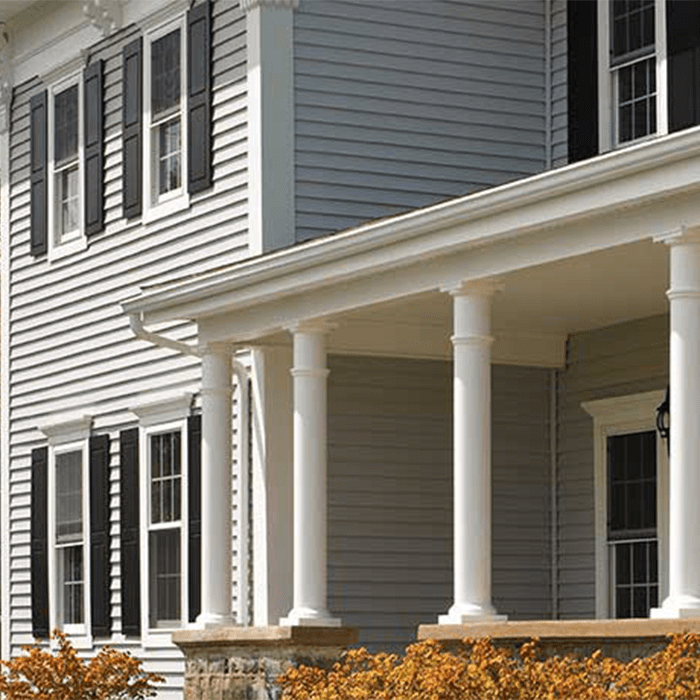
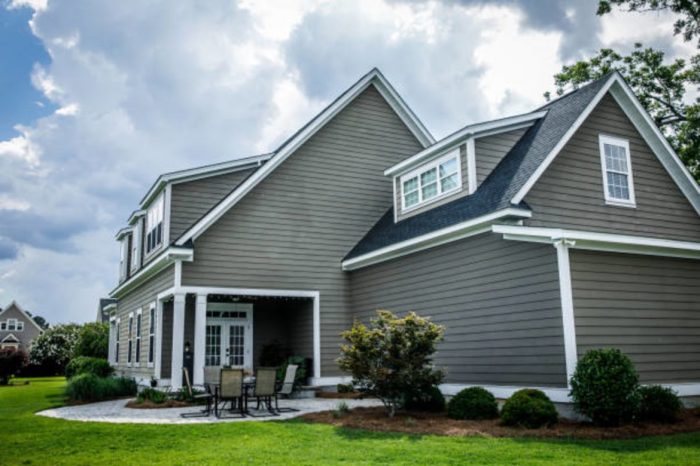
Source: familyhandyman.com
Choosing the right siding material for your home hinges significantly on its durability. Factors like resistance to the elements, pests, and time are critical to long-term home value and maintenance needs. Understanding these factors allows homeowners to make informed decisions that ensure their investment in their homes remains protected for years to come.
The longevity of siding materials is a multifaceted issue, directly influenced by their composition, manufacturing processes, and inherent resistance to environmental factors. A comprehensive understanding of these interlinked factors is vital for homeowners seeking durable and resilient siding solutions.
Key Performance Characteristics Affecting Longevity
Several performance characteristics play a crucial role in determining a siding material’s lifespan. These characteristics include resistance to rot, insect infestation, moisture damage, and impact, as well as the material’s ability to maintain its structural integrity over time. The performance of the siding material in these areas directly affects its overall durability.
Impact of Material Composition and Manufacturing Processes
The composition of a siding material profoundly influences its durability. Materials with inherent resistance to moisture, rot, and insects are inherently more durable. For example, vinyl siding, with its composition of polyvinyl chloride, resists moisture and rot remarkably well. Manufacturing processes also significantly impact durability. Properly treated wood siding, or siding with reinforced layers, can exhibit extended lifespans. Manufacturing processes that focus on minimizing material weaknesses, such as stress points or gaps, contribute to a more durable final product.
Resistance to Environmental Factors
Different siding materials exhibit varying degrees of resistance to environmental factors like rot, insects, and moisture. Wood siding, for example, is susceptible to rot and insect infestation if not properly treated. Vinyl siding, in contrast, is highly resistant to these factors due to its composition. Metal siding, such as aluminum or steel, is known for its remarkable resistance to moisture and insects. However, it may be susceptible to dents or scratches from impact. Proper installation and maintenance significantly influence the durability of any material.
Examples of Enhanced Durability Through Manufacturing Techniques
Advanced manufacturing techniques enhance siding durability. Pressure-treated lumber, for instance, is treated with chemicals to resist rot and insect damage. The use of reinforced polymers in vinyl siding creates a more robust and impact-resistant material. Specialized coatings on metal siding provide extra protection against rust and corrosion, extending its lifespan considerably.
Typical Lifespans of Various Siding Materials
| Siding Material | Typical Lifespan (Years) |
|---|---|
| Vinyl | 50-75 |
| Wood (Pressure-Treated) | 20-30 |
| Aluminum | 50-75 |
| Steel | 50-75 |
| Fiber Cement | 50-75 |
Note: These lifespans are estimates and can vary based on factors like climate, maintenance, and installation quality.
Performance Standards and Testing Methods: Most Durable Siding For House
Evaluating siding durability involves more than just visual inspection. Rigorous testing and adherence to industry standards are crucial for ensuring siding materials meet specific performance criteria. This section details the methods used to assess siding durability, the standards employed, and the importance of independent testing.
Ensuring the longevity and resilience of siding materials necessitates a comprehensive approach. Independent testing verifies the claims made by manufacturers, providing consumers with confidence in the products they choose. This includes standardized procedures for evaluating factors like impact resistance, water penetration, and dimensional stability.
Testing Procedures for Siding Durability
Various tests are employed to assess the performance of siding materials under simulated real-world conditions. These tests evaluate the ability of siding to withstand different types of stress and environmental factors. The procedures aim to replicate the effects of weather, impacts, and other potential stressors over extended periods. For instance, accelerated weathering tests expose siding to extreme UV radiation and moisture to simulate years of outdoor exposure in a shorter timeframe.
Industry Standards and Certifications, Most durable siding for house
Industry standards provide a framework for evaluating siding materials and ensuring a level of quality. These standards dictate the specific criteria that siding must meet to achieve certification. These standards are essential in the marketplace, helping consumers differentiate products based on established performance characteristics. Certifications are often required for siding products to be marketed and sold.
Significance of Independent Testing and Certification
Independent testing and certification are critical for building consumer confidence. These processes, conducted by accredited laboratories, provide objective evaluations of siding performance, uninfluenced by manufacturer bias. This objectivity is essential because it assures consumers that the claims made by manufacturers are verifiable and accurate. Without independent verification, consumers may be less likely to trust the product’s durability and longevity.
Examples of Durability Tests
Various tests are employed to evaluate different aspects of siding durability. Impact resistance is assessed by subjecting the siding to controlled impacts of varying force and angle. Water penetration testing simulates prolonged exposure to rain and moisture, evaluating the siding’s ability to prevent water damage. Dimensional stability tests measure the material’s ability to maintain its shape and size over time under different environmental conditions. For instance, a material that expands or contracts excessively may become loose or cause gaps, leading to structural issues or water ingress.
Common Certifications and Standards for Durable Siding
| Certification/Standard | Description |
|---|---|
| ASTM International | Provides a comprehensive set of standards for various materials, including siding, covering aspects like impact resistance, water penetration, and dimensional stability. |
| UL (Underwriters Laboratories) | Evaluates the fire resistance, safety, and durability of various building materials. This certification ensures compliance with safety standards. |
| CertainTeed | A manufacturer-specific certification program focusing on the quality and performance of their siding products, often encompassing aspects like material composition and manufacturing processes. |
| CertainTeed (e.g., CertainTeed Fiber Cement Siding) | An example of a manufacturer certification. This demonstrates their commitment to the quality and performance of their specific siding product. |
Considerations for Specific Environmental Conditions
Choosing the right siding material is crucial for a house’s longevity and aesthetic appeal. Different climates pose unique challenges, demanding siding solutions that can withstand harsh conditions. Understanding these factors allows homeowners to make informed decisions that optimize the siding’s performance and lifespan.
Environmental factors significantly impact the durability of siding materials. Exposure to high humidity, extreme temperatures, or strong winds can accelerate deterioration, affecting the siding’s structural integrity and aesthetic appearance. This section examines these influences and provides strategies for selecting siding materials appropriate for various geographical locations.
Impact of Climate on Siding Durability
Different climates present varying challenges for siding materials. High humidity can lead to mold and mildew growth, while extreme temperatures can cause material expansion and contraction, potentially leading to cracking or warping. Strong winds can increase the risk of damage, and heavy snowfall or hail can impact the siding’s structural integrity.
Considerations for High Humidity Environments
High-humidity environments, particularly coastal regions, pose significant challenges to siding materials. Moisture promotes the growth of mold and mildew, which can degrade the siding’s aesthetic appeal and potentially compromise its structural integrity. Siding materials must be resistant to moisture absorption and fungal growth to withstand these conditions. Ventilation is also crucial to prevent moisture buildup behind the siding. Properly sealed seams and joints are essential.
Considerations for Extreme Temperatures
Extreme temperature fluctuations can cause expansion and contraction in siding materials, potentially leading to cracking or warping. Materials with a high coefficient of thermal expansion and contraction are more susceptible to damage from temperature variations. Choosing siding materials with a low coefficient of thermal expansion and contraction, or those designed for extreme temperatures, is crucial in these areas. Appropriate installation techniques, including proper spacing and insulation, further mitigate the impact of temperature changes.
Considerations for Areas with High Snowfall or Hail
Areas with heavy snowfall or frequent hailstorms require siding that can withstand impact. The siding must be resistant to dents, scratches, or damage from falling snow or ice. Materials like fiber cement or engineered wood siding can be good choices. Proper installation, including securing the siding to the structure, can further enhance its ability to withstand these conditions. Overlapping seams and secure attachments to the wall framing are essential.
Considerations for Coastal Regions
Coastal regions are often characterized by high humidity and exposure to salt spray. Salt spray can corrode metal siding and degrade other materials. Choosing siding materials that are resistant to corrosion and moisture is critical. Materials like vinyl, fiber cement, or engineered wood are suitable for coastal areas. Regular maintenance and inspection, including addressing any signs of corrosion or moisture damage, are crucial for maintaining the siding’s integrity.
Selecting Siding Materials for Specific Geographical Locations
The optimal siding material for a particular geographical location depends on the specific environmental factors present. Consider the climate, humidity levels, temperature variations, and potential for extreme weather events when making your selection. Consulting with local experts and examining historical data on siding performance in the region can provide valuable insights.
Summary Table of Siding Material Suitability
| Climate Condition | Suitable Siding Materials | Considerations |
|---|---|---|
| High Humidity (Coastal) | Vinyl, Fiber Cement, Engineered Wood | Moisture resistance, corrosion resistance, and proper ventilation |
| Extreme Temperatures | Vinyl, Fiber Cement, Insulated Vinyl | Low coefficient of thermal expansion, proper installation |
| High Snowfall/Hail | Fiber Cement, Engineered Wood, Certain Vinyl Types | Impact resistance, secure attachment, overlapping seams |
| Moderate Climate | Vinyl, Fiber Cement, Wood | Cost-effectiveness, aesthetics, ease of maintenance |
Installation Practices and Maintenance
Proper installation and ongoing maintenance are crucial for maximizing the lifespan and performance of siding materials. Neglecting these aspects can lead to premature deterioration, costly repairs, and a compromised aesthetic appeal. Careful attention to detail during installation, combined with a consistent maintenance schedule, significantly extends the service life of the siding, protecting the investment in your home.
Installation procedures directly impact the siding’s long-term durability. Adhering to manufacturer specifications and employing best practices ensures that the siding is installed correctly, minimizing potential issues like water intrusion and structural weakness. This also helps to guarantee that the warranty remains valid.
Proper Installation Techniques
Correct installation techniques are paramount to the siding’s longevity. This involves using the appropriate fasteners, ensuring proper spacing, and adhering to the manufacturer’s recommendations for substrate preparation. Using the correct tools and following precise measurements are essential to avoid issues like gaps, unevenness, and compromised structural integrity. Improperly installed siding can be more susceptible to weather damage, reducing its overall lifespan.
Adherence to Manufacturer Guidelines
Manufacturer guidelines are meticulously designed to ensure optimal performance and durability. They specify crucial details, including material compatibility, installation procedures, and necessary precautions. Deviations from these guidelines can compromise the siding’s structural integrity, water resistance, and overall lifespan. Carefully reviewing and strictly following these instructions will significantly enhance the siding’s performance.
Sealing and Fastening for Water Damage Prevention
Proper sealing and fastening are critical for preventing water damage. Carefully sealing seams and joints, and using appropriate fasteners, creates a watertight barrier. This prevents moisture from penetrating the siding, which can lead to rot, mold, and structural weakening. This preventive measure helps to safeguard the siding’s integrity and protects the underlying structure. Using appropriate sealant types for the specific siding material is crucial for effectiveness.
Recommended Maintenance Procedures
A regular maintenance schedule significantly extends the lifespan of durable siding. These procedures include cleaning the siding to remove dirt, debris, and algae, which can contribute to the premature deterioration of the siding. Regular inspections can help to detect and address potential issues before they escalate into major problems.
- Cleaning: Regular cleaning prevents dirt and debris buildup, which can trap moisture and promote the growth of mold and mildew. This helps to maintain the aesthetic appeal and the structural integrity of the siding. Using appropriate cleaning solutions and following manufacturer recommendations is crucial to prevent damage to the siding material.
- Inspection: Regular visual inspections help to identify any damage or deterioration early on, allowing for timely repairs and preventing further damage. Identifying issues early can prevent costly repairs and maintenance problems down the line.
- Repairing Damage: Promptly addressing any damage or cracks in the siding will prevent further deterioration. Ignoring these issues can cause water intrusion, leading to significant structural damage.
- Resealing: Resealing joints and seams, especially after significant weather events, is crucial to maintaining the watertight integrity of the siding. Regular resealing helps to prevent water damage and extend the lifespan of the siding.
Siding Inspection Checklist
A comprehensive siding inspection helps to identify potential issues early and address them proactively.
| Inspection Item | Description | Action |
|---|---|---|
| Visual Inspection | Look for any visible damage, cracks, gaps, or loose fasteners. | Document and photograph findings. |
| Moisture Check | Inspect for signs of moisture penetration, such as discoloration, mold, or mildew. | Note lthe ocation and extent of any moisture issues. |
| Fastener Check | Verify that all fasteners are secure and undamaged. | Tighten loose fasteners or replace damaged ones. |
| Sealant Check | Examine sealant around joints and seams for cracks or gaps. | Reseal any damaged areas. |
| Substrate Check | Check the condition of the substrate beneath the siding for signs of rot or damage. | Address any substrate issues promptly. |
Cost-Effectiveness of Durable Siding
Choosing the right siding material for your home is a significant investment, impacting both your initial costs and long-term expenses. Careful consideration of the upfront price, ongoing maintenance needs, and potential replacement costs is crucial to making an informed decision. Durable siding, while often having a higher initial price, frequently offers a superior return on investment due to its extended lifespan and reduced maintenance requirements.
Evaluating the total cost of ownership (TCO) over the lifespan of the siding is essential for determining true cost-effectiveness. This approach considers not just the initial purchase price, but also the recurring costs of upkeep, potential repairs, and eventual replacement.
Initial Costs of Different Durable Siding Materials
Different durable siding materials vary significantly in their initial cost. Factors influencing this include the material’s inherent cost, manufacturing processes, and availability in the market. For instance, fiber cement siding, while durable, often has a higher upfront cost compared to vinyl siding. Similarly, engineered wood siding or metal siding can also have a higher initial price tag than vinyl, depending on the specific type and design features. Detailed cost comparisons are available from various building supply retailers and contractors.
Long-Term Cost Implications
Durability is not solely defined by the material’s initial cost; long-term implications are crucial. Durable siding, while potentially higher upfront, often translates to lower ongoing maintenance and replacement costs. Vinyl siding, for example, generally requires less maintenance than wood siding, leading to lower labor costs over time. Regular cleaning and inspections are vital to maintaining the siding’s integrity and longevity. This proactive approach minimizes the risk of costly repairs or premature replacements. Predicting the long-term cost involves evaluating maintenance frequency and potential repair expenses for each material.
Return on Investment for Durable Siding
The return on investment (ROI) for durable siding is determined by comparing the total cost of ownership (TCO) over a defined period. High-quality, durable siding, though initially more expensive, frequently results in lower maintenance and replacement costs over a 20-30-year period. This translates to a higher ROI compared to less durable siding options that may require more frequent replacements or repairs. The initial investment in a more durable material often leads to lower costs in the long run. Examples include homes with fiber cement siding, which, although having a higher initial price, can significantly reduce long-term maintenance expenses.
Factors Influencing Installation and Maintenance Costs
Several factors influence the cost of installation and maintenance for different siding materials. The complexity of the installation process, the labor costs in your area, and the material’s susceptibility to damage from weather or other factors significantly impact costs. For example, metal siding installation might involve specialized tools and techniques, potentially increasing labor costs. Regular inspections and preventative maintenance are vital for all siding types to prevent damage, minimize repair needs, and maximize the siding’s lifespan. The skill and experience of the installers also affect the final cost.
Total Cost of Ownership Comparison (20-Year Period)
| Siding Material | Initial Cost (USD) | Maintenance Cost (USD) (20 Years) | Replacement Cost (USD) (20 Years) | Total Cost of Ownership (USD) (20 Years) |
|---|---|---|---|---|
| Vinyl | 10,000 | 2,000 | 0 | 12,000 |
| Fiber Cement | 15,000 | 1,000 | 0 | 16,000 |
| Wood | 12,000 | 3,000 | 2,000 | 17,000 |
| Metal | 18,000 | 500 | 0 | 18,500 |
This table presents a simplified comparison. Actual costs can vary based on specific project requirements, geographic location, and material quality. The data provided is illustrative and does not represent an exhaustive analysis. Consult with local contractors for accurate cost estimates.
Visual Appeal and Aesthetics
Choosing siding isn’t just about durability; it’s also about how your home looks. A visually appealing facade can enhance curb appeal, increase property value, and reflect your personal style. This section explores the variety of options available and how to select siding that complements your home’s architectural design.
Siding Color Options and Styles
A wide array of colors, styles, and textures is available for durable siding materials. From classic neutrals to vibrant hues, homeowners can choose siding that complements their personal preferences and the surrounding environment. Modern siding options often include a broad spectrum of color palettes, allowing for a significant degree of customization. This versatility in color choices offers a great opportunity to create a unique and distinctive exterior.
Matching Architectural Style
Selecting siding that harmonizes with your home’s architectural style is crucial. A craftsman-style home might look best with wood siding, while a contemporary structure could benefit from a sleek, modern material like fiber cement. Careful consideration of the existing architectural features, such as the roofline, windows, and trim, is essential to ensure a cohesive aesthetic. For instance, a home with gables and decorative trim might look great with a textured wood or stone-like siding.
Impact on Property Value
The aesthetic impact of siding choices can significantly affect property value. High-quality, well-maintained siding in a complementary style can add substantial value to a home. Conversely, outdated or poorly chosen siding can detract from a home’s appeal and potentially lower its value. A home with attractive and updated siding will likely command a higher price in the market compared to one with outdated or poorly maintained siding.
Siding Material Finishes and Styles
Different siding materials offer a variety of finishes and styles, each contributing to the visual appeal of a home. Here’s a table showcasing some popular options:
| Siding Material | Finish/Style | Image Description |
|---|---|---|
| Vinyl | Smooth, Painted | A clean, white vinyl siding panel with a smooth surface, showcasing a classic and timeless look. |
| Vinyl | Wood-grain | A vinyl siding panel mimicking the look of wood planks provides a warm and inviting aesthetic. The panel has a textured surface to emphasize the wood-grain pattern. |
| Fiber Cement | Smooth, Painted | A gray fiber cement siding panel with a smooth, matte finish. This contemporary siding option offers a modern look with a durable material. |
| Fiber Cement | Stone-like | A fiber cement siding panel with a textured surface designed to mimic the appearance of natural stone. The panel displays a variety of shades and tones to resemble different types of stone. |
| Wood | Plank | A natural wood siding panel with a horizontal plank style, providing a traditional and rustic appearance. The wood grain is clearly visible, showcasing the natural beauty of the material. |
| Wood | Shingle | A wood siding panel with a vertical shingle style, reminiscent of classic architectural design. The wood shingles have a slightly overlapping pattern, creating a distinctive texture. |
Case Studies and Examples of Durable Siding
Real-world examples demonstrate the performance and longevity of various durable siding materials. Analyzing successful installations provides valuable insights into the factors contributing to long-term durability and helps homeowners make informed decisions. These case studies highlight the importance of material selection, proper installation, and maintenance in achieving optimal siding performance.
Residential Case Studies in Different Climates
Diverse climates present unique challenges for siding materials. Analyzing installations in various regions provides crucial insights into material performance and suitability. The following case studies showcase successful installations across varying conditions.
- Coastal Home in Florida: A beachfront home in Florida utilized composite siding. The composite siding exhibited exceptional resistance to moisture damage, typical of coastal regions. Regular cleaning and maintenance, combined with the material’s inherent properties, contributed to the siding’s long-term performance. The composite siding also showcased resilience against extreme temperature fluctuations, which are frequent in Florida. This exemplifies the benefits of material selection for a specific environment.
- Mountain Home in Colorado: A mountain home in Colorado opted for engineered wood siding. This material, known for its strength and resistance to rot, proved ideal for the region’s fluctuating temperatures and potential moisture from snowfall and high-altitude humidity. The installation involved careful consideration of weather-resistant fasteners and sealing techniques, which contributed to the long-term durability of the siding. The success highlights the importance of proper installation practices in challenging environments.
- Midwestern Home in Illinois: A midwestern home in Illinois chose vinyl siding. Vinyl siding’s low maintenance and resistance to moisture, typical in the Midwest, made it a suitable choice. Proper installation, ensuring proper ventilation and drainage, was crucial in preventing moisture buildup behind the siding. The home experienced minimal maintenance over the years, demonstrating the long-term cost-effectiveness of vinyl siding in this climate. This emphasizes the importance of adhering to installation guidelines for optimal results.
Summary of Case Studies
This table summarizes the key characteristics of each case study, including material types, climate conditions, and the observed results.
| Case Study | Material Type | Climate Conditions | Results |
|---|---|---|---|
| Coastal Florida Home | Composite Siding | High humidity, coastal winds, and temperature fluctuations | Excellent moisture resistance, minimal maintenance, and longevity |
| Mountain Colorado Home | Engineered Wood Siding | Extreme temperature swings, snowfall, and high altitude humidity | High strength, resistance to rot, long-term durability |
| Midwestern Illinois Home | Vinyl Siding | Moderate humidity, occasional rainfall, temperature fluctuations | Low maintenance, moisture resistance, and cost-effectiveness |
End of Discussion
In conclusion, selecting the most durable siding for your house is a significant decision that requires careful consideration. This guide has provided a detailed overview of various materials, highlighting their strengths and weaknesses in different scenarios. From material composition to installation techniques and long-term cost analysis, we’ve explored the essential elements for making an informed choice. By understanding the factors discussed, you can select siding that not only enhances your home’s aesthetics but also ensures long-term durability and value. Remember to carefully weigh the factors and choose the siding that best suits your specific needs and budget.