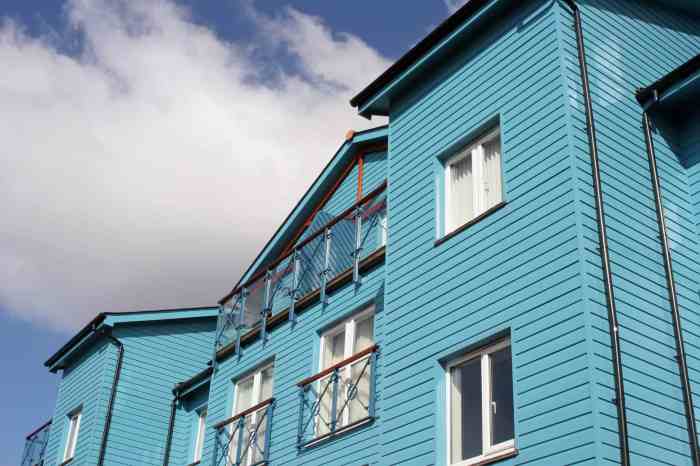
Most Durable Wood Siding A Comprehensive Guide
Most durable wood siding offers long-lasting beauty and structural integrity for your home. This guide explores various wood types, installation methods, and maintenance strategies to ensure your siding stands the test of time.
From understanding the different species of wood to recognizing environmental factors that affect durability, this comprehensive overview will equip you with the knowledge to choose and maintain the most durable wood siding for your specific needs and climate.
Introduction to Durable Wood Siding
Source: nichiha.com
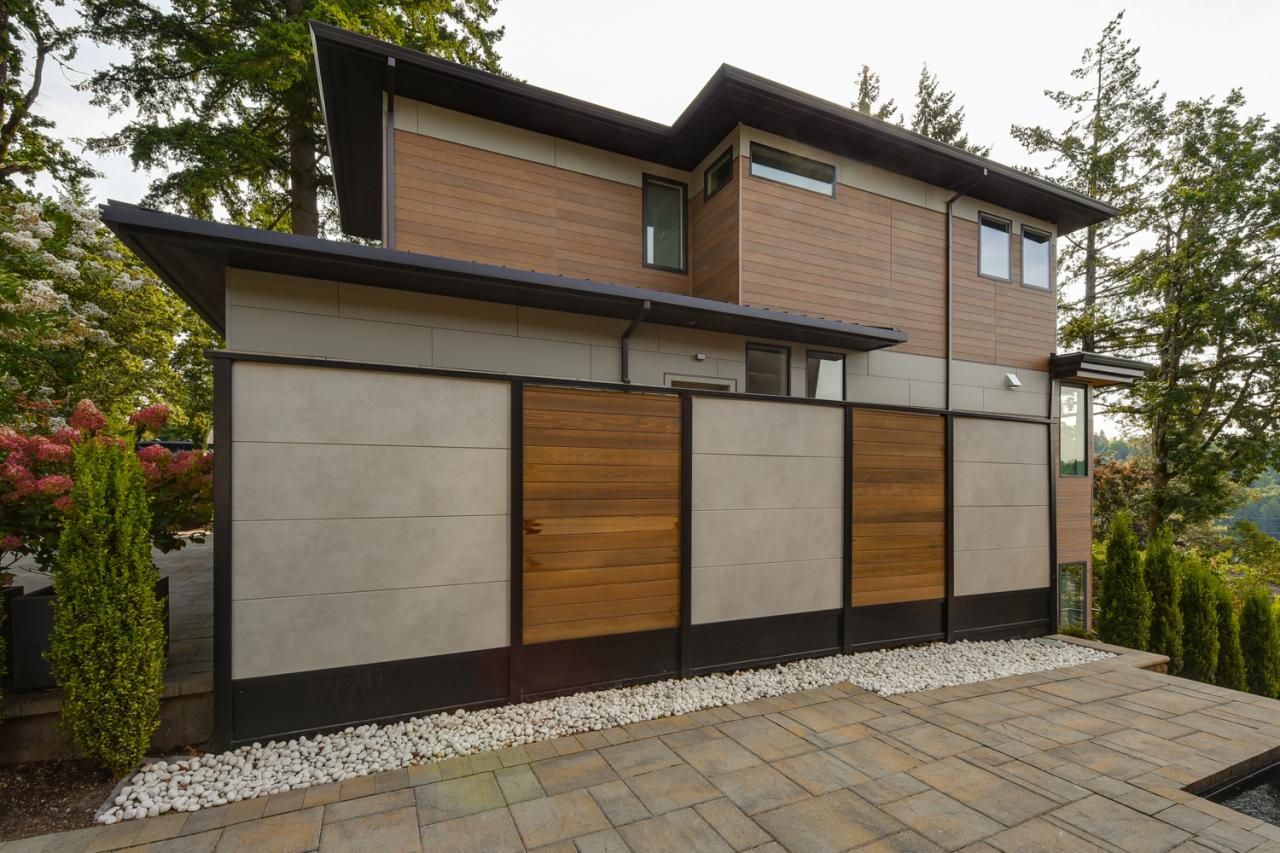
Wood siding, a popular choice for exterior cladding, offers a blend of aesthetic appeal and structural support. Its inherent beauty and versatility have made it a cornerstone of residential and commercial building construction for centuries. Different types of wood siding, each with varying characteristics, offer unique advantages in terms of durability, appearance, and maintenance requirements. Understanding these distinctions is crucial for homeowners and builders seeking long-term value and structural integrity.
Wood siding materials vary significantly in their durability, influenced by factors like the type of wood, the treatment applied, and the climate conditions. Proper selection of siding materials, considering these factors, is essential for maintaining the structural integrity and aesthetic appeal of a building over its lifespan.
Wood Siding Materials and Types
Wood siding, a timeless choice for exterior cladding, comes in diverse forms, each with its unique characteristics. Common types include lap siding, clapboard, bevel siding, and shakes. Lap siding, featuring overlapping panels, is a classic option, offering a traditional look. Clapboard siding, with its vertically arranged boards, provides a clean, structured aesthetic. Bevel siding, featuring a sloped or angled surface, adds visual interest. Wood shakes, mimicking the look of natural shingles, are a popular choice for achieving a rustic or natural ambiance.
Durability Characteristics of Wood Siding
The durability of wood siding hinges on several key factors, primarily the type of wood used and the protective treatments applied. Wood species with naturally higher density and resistance to decay, such as cedar or redwood, are preferred for their extended lifespan. Treatments, including preservatives and sealants, play a vital role in extending the siding’s lifespan by preventing moisture absorption, rot, and insect infestation. Exposure to harsh weather conditions, including excessive moisture, extreme temperatures, and direct sunlight, can also significantly impact the durability of wood siding.
Factors Influencing Durability
The longevity of wood siding is significantly affected by various factors. The quality of the wood itself, including its density and natural resistance to decay, is paramount. Proper installation techniques, ensuring adequate ventilation and drainage around the siding, are crucial for preventing moisture buildup. Regular maintenance, including inspections for damage and timely repairs, is essential for extending the siding’s lifespan.
Comparison of Common Wood Siding Types
| Siding Type | Moisture Resistance | Rot Resistance | Insect Resistance |
|---|---|---|---|
| Cedar | High | High | High |
| Redwood | High | High | High |
| Pine | Moderate | Moderate | Moderate |
| Cypress | High | High | High |
| Pressure-Treated Pine | High | High | High |
This table provides a general comparison of common wood siding types based on their inherent resistance to moisture, rot, and insect damage. Note that specific performance may vary depending on factors such as treatment methods, installation quality, and environmental conditions. Consider these factors when making your selection for optimal long-term performance.
History of Wood Siding
Wood siding has been a prominent building material for centuries. Early forms of wood siding were used in various cultures, reflecting the availability of local wood types and construction techniques. Over time, advancements in woodworking techniques and the development of protective treatments led to more durable and aesthetically pleasing siding options. This evolution continues to this day, with advancements in wood preservation methods further enhancing the lifespan and performance of wood siding.
Factors Affecting Durability
Wood siding, while aesthetically pleasing, is susceptible to various environmental factors that can significantly impact its lifespan. Understanding these factors is crucial for homeowners seeking long-term protection and value from their wood-clad exteriors. Proper maintenance and selection of suitable wood species can greatly extend the life of wood siding, preventing costly repairs and replacements.
Environmental Factors
Environmental conditions play a critical role in the durability of wood siding. Exposure to moisture, temperature fluctuations, and sunlight can lead to significant degradation, ultimately shortening the siding’s lifespan. Understanding the specific effects of these elements is essential for proactive maintenance and preventative measures.
Moisture
Excessive moisture is a major enemy of wood siding. Water absorption by the wood can cause swelling, shrinking, and warping, weakening the structure and creating entry points for decay-causing organisms. Prolonged exposure to moisture, such as from rain, snowmelt, or poorly drained ground, can accelerate the deterioration process. Wood siding should be installed with proper drainage to prevent prolonged water contact. Examples include ensuring adequate overhangs on roofs and proper grading around the foundation to facilitate water runoff.
Temperature Fluctuations
Significant temperature changes can also impact wood siding’s durability. Extreme heat can cause wood to dry out and crack, making it more vulnerable to pests and decay. Conversely, freezing temperatures can cause wood to expand and contract, leading to stress and cracking. Properly seasoned wood and careful installation practices can mitigate these effects. For instance, choosing wood species known for their resistance to temperature variations is important.
Sunlight Exposure
Prolonged exposure to sunlight, particularly ultraviolet (UV) radiation, can cause the wood to fade, lose its natural color, and become brittle. This process, known as photodegradation, accelerates the breakdown of wood fibers, diminishing their structural integrity and aesthetic appeal. Painting or staining the siding with appropriate protective coatings can significantly extend its lifespan by creating a barrier against UV rays. For example, a properly applied paint or stain can protect wood from fading and degradation.
Pest Infestations and Fungal Growth
Wood siding is vulnerable to various pests and fungal organisms. Termites, carpenter ants, and wood-boring beetles can cause significant damage to the wood structure, leading to structural compromise and costly repairs. Fungi, including mold and mildew, thrive in moist environments, causing discoloration, rot, and weakening of the wood. Regular inspections and timely treatment for pests and fungi are essential for maintaining the siding’s integrity. For instance, using pest-resistant wood species and employing appropriate pest control measures can help prevent damage.
Wood Quality
The quality of the wood itself plays a pivotal role in its resistance to decay and weathering. Different wood species possess varying levels of inherent resistance to decay and fungal growth. Proper seasoning of the wood is also crucial. Green or improperly dried wood is more susceptible to moisture damage and decay. Examples include using pressure-treated lumber, known for its resistance to rot and decay.
Proper Installation and Maintenance
Proper installation is critical for the long-term durability of wood siding. This includes ensuring proper drainage, appropriate spacing between boards, and correct fastening techniques. Consistent maintenance practices, such as regular inspections for damage, timely repairs, and protective coatings, are essential for extending the siding’s lifespan. This can involve applying sealant or paint to prevent moisture penetration and protecting against insect infestations.
Preventative Measures
| Preventive Measure | Description |
|---|---|
| Regular Inspections | Periodic checks for damage, pest infestations, and signs of decay. |
| Prompt Repairs | Address any damage promptly to prevent further deterioration. |
| Protective Coatings | Applying paint, stain, or sealant to create a barrier against moisture and UV radiation. |
| Pest Control | Implementing measures to prevent or control pest infestations, such as using appropriate pesticides. |
| Proper Drainage | Ensuring proper water runoff to avoid prolonged moisture exposure. |
| Appropriate Wood Selection | Choosing wood species known for their resistance to decay and weathering. |
| Proper Installation | Follow recommended installation guidelines for correct spacing, fastening, and drainage. |
Different Wood Siding Types
Source: montanatimberproducts.com
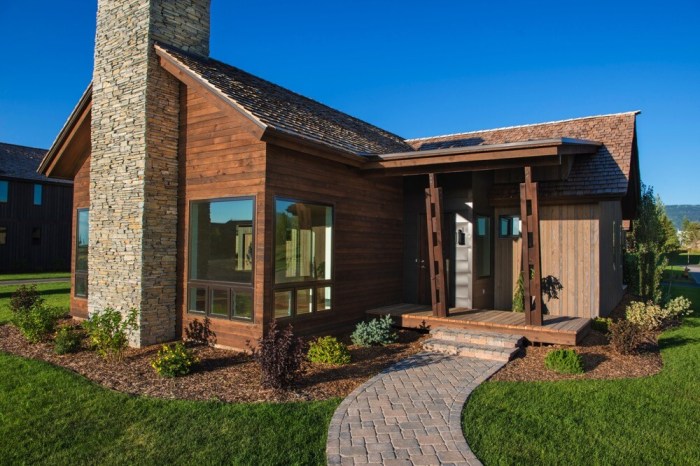
Selecting the right wood siding type is crucial for long-term durability and aesthetic appeal. Factors like climate, budget, and desired appearance heavily influence the choice. Understanding the unique characteristics of various wood species and their susceptibility to environmental damage is paramount for informed decision-making.
Different wood species exhibit varying degrees of resistance to rot, insects, and moisture, directly impacting their longevity. Choosing a species appropriate for the local climate and conditions is key to minimizing maintenance and maximizing the lifespan of the siding.
Durability Characteristics of Common Wood Siding Species
Various wood species exhibit different natural resistance to rot, insects, and moisture. Understanding these differences is essential for selecting siding suitable for a specific environment. Cedar, redwood, and pressure-treated lumber are common choices, each with distinct advantages and disadvantages.
Comparison of Cedar, Redwood, and Pressure-Treated Lumber
Cedar is renowned for its natural resistance to decay and insects. Its attractive reddish-brown hue and relatively low maintenance make it a popular choice. Redwood, known for its rich reddish-brown color and exceptional durability, often commands a higher price. Pressure-treated lumber is treated with preservatives to enhance its resistance to decay and insects. This treatment can significantly extend the lifespan of the wood.
Pros and Cons of Each Type
- Cedar: Pros include attractive appearance, good resistance to rot and insects, and relatively low maintenance. Cons include susceptibility to fungal decay in very humid environments and a slightly higher cost compared to pressure-treated lumber.
- Redwood: Pros include exceptional durability, resistance to rot and insects, and a visually appealing, rich color. Cons include higher cost compared to other options and potential for warping or cracking in extreme temperature fluctuations.
- Pressure-Treated Lumber: Pros include significantly enhanced resistance to decay and insects, making it a durable choice in high-moisture environments, and generally lower cost. Cons include the potential for a less aesthetically pleasing appearance, the chemical treatment may not be environmentally friendly, and the treated wood might require additional protective coatings over time.
Specific Wood Species for Different Climates
The best wood species for siding depends on the specific climate. Factors such as rainfall, humidity, and temperature play a critical role in the long-term performance of the siding.
- Coastal Regions: Species like redwood, due to their natural resistance to marine environments, are ideal for coastal areas. Their inherent oils help repel moisture, making them exceptionally durable in these environments.
- High-Humidity Regions: Cedar and certain treated hardwoods might be more appropriate for regions with high humidity. Cedar’s natural oils and the preservatives in treated lumber can provide better protection against fungal growth in humid conditions.
- Temperate Regions: A wide range of species, including cedar, pressure-treated lumber, and even some softwoods, can perform well in temperate climates. The choice will largely depend on the budget, desired appearance, and local climate conditions.
Durability Table of Wood Species
| Wood Species | Resistance to Rot | Resistance to Insects | Resistance to Water Damage |
|---|---|---|---|
| Cedar | Good | Good | Moderate |
| Redwood | Excellent | Excellent | Excellent |
| Pressure-Treated Lumber | Excellent | Excellent | Excellent |
| Pine | Moderate | Moderate | Moderate |
Note: This table provides a general overview. Specific performance can vary based on factors like treatment, climate, and installation quality.
Finishing Techniques and Treatments
Proper finishing and treatments can significantly enhance the durability of wood siding. Applying sealants, paints, or stains can protect the wood from moisture, UV rays, and environmental factors.
- Staining: Provides a protective layer while maintaining the natural wood grain and color.
- Painting: Offers a wide range of colors and finishes, providing a protective barrier against the elements.
- Sealants: Create a barrier against moisture penetration, protecting the wood from damage.
Applying these techniques regularly can significantly extend the lifespan of wood siding, preventing premature degradation.
Maintenance and Preservation Techniques
Proper maintenance is crucial for extending the lifespan and aesthetic appeal of wood siding. Regular care prevents premature deterioration, costly repairs, and enhances the overall value of your home. By following established techniques, you can ensure your wood siding remains a beautiful and durable feature for years to come.
Essential Steps in Maintaining Wood Siding
Maintaining wood siding involves a multifaceted approach, focusing on regular cleaning, inspections, and timely repairs. A proactive maintenance strategy significantly impacts the longevity and appearance of your wood siding.
- Regular Cleaning: Regular cleaning removes dirt, debris, and mildew, which can contribute to wood deterioration. This prevents the buildup of harmful substances that can lead to discoloration, decay, and pest infestations. Cleaning should be done at least twice a year, more frequently in high-moisture or heavily trafficked areas.
- Thorough Inspections: Regular inspections are vital for detecting early signs of damage. Look for cracks, splinters, rot, insect damage, or signs of water intrusion. These early detection steps allow for timely repairs, preventing further damage and costly replacements.
- Addressing Water Damage: Water intrusion is a significant threat to wood siding. Promptly address any signs of leaks or water pooling around the siding. Ensure proper drainage around the foundation and gutters to prevent water accumulation against the siding.
- Pest Control: Wood siding is susceptible to insect infestations, which can cause significant damage. Regular inspections for signs of pest activity are crucial. If pests are present, professional pest control measures should be implemented.
Effective Wood Preservatives and Sealants
Choosing the right wood preservatives and sealants is critical for protecting wood siding from the elements. These products create a barrier against moisture, decay, and insect damage.
- Preservatives: These products penetrate the wood to protect it from rot and decay. They are often formulated with copper or other biocides. Always follow the manufacturer’s instructions for application and safety precautions.
- Sealants: Sealants form a protective layer on the surface of the wood, preventing moisture penetration. They also enhance the wood’s appearance. Choose sealants that are compatible with the type of wood siding and the local climate.
- Examples: Several high-quality preservatives and sealants are available on the market. Consult with local home improvement stores or building professionals for recommendations tailored to your specific needs and the type of wood used in your siding.
Repairing and Replacing Damaged Siding
Addressing damaged siding sections promptly is essential to prevent further deterioration.
- Identifying Damage: Assess the extent of damage, noting any cracks, rot, or insect infestation. If the damage is significant, professional repair or replacement may be necessary.
- Repairing Minor Damage: Minor damage, such as small cracks or splinters, can often be repaired using wood filler and appropriate sealant. Ensure the repair material is compatible with the wood siding’s type and finish.
- Replacing Damaged Sections: If the damage is extensive, replacing damaged sections of the siding is recommended. Use the same type and grade of wood for replacement to maintain the aesthetic consistency of your home.
Importance of Timely Repairs
Delaying repairs can lead to significant consequences, including increased costs, structural damage, and a compromised aesthetic appeal.
Prompt repairs prevent further damage, extending the lifespan of your wood siding and maintaining the structural integrity of your home.
Maintenance Schedules for Different Wood Siding Types
Different wood siding types require varying maintenance schedules. The frequency of cleaning, inspection, and treatment depends on the specific wood type, climate conditions, and exposure to the elements.
| Wood Siding Type | Cleaning Frequency | Inspection Frequency | Treatment Frequency |
|---|---|---|---|
| Cedar | Twice a year | Quarterly | Every 3-5 years |
| Pine | Twice a year | Quarterly | Every 2-3 years |
| Redwood | Twice a year | Biannually | Every 5-7 years |
| Pressure-Treated Lumber | Twice a year | Biannually | Every 5-7 years |
Installation and Design Considerations

Source: co.uk
Proper installation is paramount for maximizing the longevity and aesthetic appeal of wood siding. A well-executed installation ensures that the siding effectively protects the building’s structure from the elements, minimizing potential damage and costly repairs over time. Careful attention to detail in design and installation choices directly impacts the siding’s overall durability.
Careful consideration of the installation process, along with the building’s design, plays a critical role in the siding’s lifespan. This involves not only the selection of appropriate materials and fasteners but also the meticulous execution of each step. The installation method significantly influences the siding’s resistance to moisture, pests, and structural stresses.
Importance of Proper Installation Techniques
Proper installation techniques are crucial for maintaining the structural integrity and aesthetic appeal of the wood siding. Poor installation can lead to premature deterioration, increased maintenance requirements, and ultimately, costly repairs. This underscores the importance of hiring qualified professionals for the installation process. These professionals possess the expertise and experience to ensure a secure and weather-tight installation, minimizing the risk of future problems.
Critical Steps in Ensuring a Secure and Weather-Tight Installation
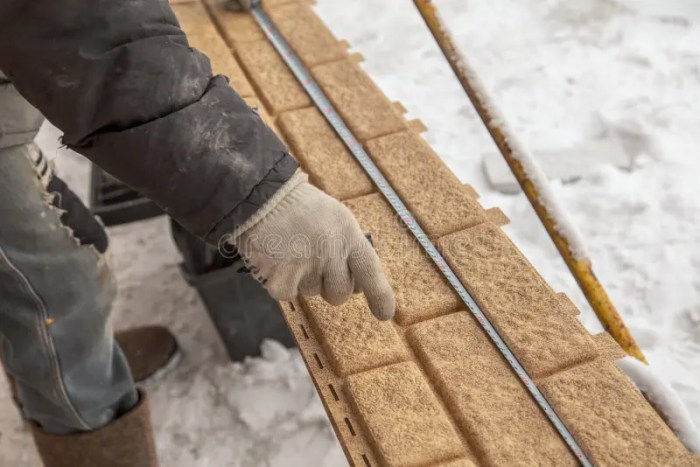
A secure and weather-tight installation is essential for preventing water damage and structural issues. Critical steps include precise measurements, accurate cutting of boards, and the use of appropriate fasteners. A comprehensive inspection of the underlying structure is also necessary. This inspection helps identify potential issues that may impact the siding’s performance.
Role of Appropriate Fasteners, Bracing, and Insulation
Selecting appropriate fasteners is crucial for long-term durability. Using galvanized nails or screws is recommended for their corrosion resistance. The use of proper bracing systems is essential for supporting the siding, especially in areas with high wind loads. Furthermore, appropriate insulation helps to maintain a consistent temperature and moisture level within the wall cavity, which reduces the risk of moisture damage to the wood. Properly installed insulation also aids in energy efficiency.
Impact of Building Design and Siding Installation on Longevity
The building’s design significantly influences the effectiveness of the siding installation. For example, proper overhangs and eaves provide critical protection from water penetration. Considerations such as the building’s orientation and exposure to the elements also impact the longevity of the siding. A well-designed building, paired with a precise installation method, will minimize exposure to harsh weather conditions.
Illustrations of Various Siding Installation Techniques and Their Impacts on Durability, Most durable wood siding
Different siding installation techniques offer varying levels of protection and durability. For example, a traditional lap siding method involves overlapping boards, creating a weather-resistant barrier. Alternatively, a horizontal or vertical siding installation style might be chosen based on the architectural design and desired aesthetic. These techniques, along with the proper selection of fasteners, influence the siding’s overall durability and longevity. Proper ventilation and drainage are critical considerations in any installation method.
Importance of Proper Ventilation and Drainage Around the Siding
Adequate ventilation and drainage around the siding are essential for preventing moisture buildup and rot. Ensuring proper air circulation and water runoff prevents the wood from becoming saturated. This significantly reduces the risk of mold growth, decay, and insect infestations. Properly designed ventilation systems, coupled with adequate drainage, ensure the long-term health and structural integrity of the siding. Consideration of local weather conditions is also essential when planning the ventilation and drainage system.
Cost and Value
Durable wood siding, while often perceived as a premium choice, can offer excellent value when considering its longevity and aesthetic appeal. Understanding the upfront costs, long-term savings, and maintenance considerations is crucial for making an informed decision. Careful analysis of the return on investment (ROI) can reveal the true financial advantages of a high-quality wood siding installation.
The cost of durable wood siding is influenced by several factors, including the type of wood, the complexity of the design, and the labor costs associated with installation. Consequently, comparing prices across different options is essential to ensure the best value. Furthermore, the long-term value extends beyond the initial investment, encompassing the enhanced property value, reduced maintenance over time, and increased curb appeal.
Upfront Costs of Various Options
Different types of wood siding, each with varying durability characteristics, carry different price tags. Engineered wood siding, often composite or treated lumber, can be more affordable than natural hardwood options. The price will also depend on the specific wood species and the manufacturing process. Furthermore, the complexity of the design, including intricate patterns or architectural details, can influence the overall cost.
Long-Term Value Proposition
Investing in high-quality, durable wood siding offers a substantial long-term value proposition. A well-maintained wood siding system can last for decades, potentially outperforming less durable materials in terms of lifespan and aesthetic appeal. The reduced frequency of replacement and repairs translates to significant savings over time. This is particularly evident when considering the relatively high cost of siding replacements, and the potential for higher property values in homes with well-maintained, attractive exteriors. For example, a home with well-maintained wood siding might command a higher price on the market compared to a home with damaged or outdated siding.
Return on Investment Calculation
Calculating the return on investment (ROI) for durable wood siding involves assessing the initial cost of installation, the projected lifespan of the siding, and the estimated maintenance costs over time. A simple formula can illustrate this:
ROI = [(Total Value Increase – Initial Cost) / Initial Cost] x 100
This formula shows that the ROI calculation depends on the increase in the home’s value over time. The total value increase is the difference between the future value of the house with the new siding and the original value. To illustrate, a homeowner investing in premium cedar siding might see a significant increase in property value, potentially exceeding the initial cost of installation within a decade.
Budget-Friendly Durable Wood Siding Options
Several budget-friendly options exist for durable wood siding. Reclaimed wood, while requiring careful selection and preservation, can offer a unique aesthetic and a cost-effective alternative. Engineered wood siding, manufactured from treated lumber, is often more affordable than natural hardwoods. Pre-finished wood siding is also a potential option, potentially reducing painting and maintenance costs. Additionally, using less intricate designs and simpler installation techniques can also help lower the upfront costs without sacrificing the durability of the material.
Maintenance and Repair Costs Over Time
Regular maintenance and occasional repairs are essential to maintaining the longevity and appearance of wood siding. Painting, sealing, and preventative maintenance can significantly extend the lifespan of the siding and reduce costly repairs. However, these costs can accumulate over time. For example, routine painting every 5-7 years might be necessary for the wood to retain its original beauty. This should be factored into the overall cost analysis of investing in wood siding. The frequency and extent of maintenance will depend on the specific type of wood, the environmental conditions, and the homeowner’s maintenance habits. These factors need to be considered in a comprehensive cost analysis.
Case Studies of Durable Wood Siding
Examining real-world examples of durable wood siding reveals crucial insights into its longevity and the factors that contribute to its success. These case studies demonstrate how proper material selection, meticulous installation, and consistent maintenance practices can significantly extend the lifespan of wood siding. By analyzing successful installations, homeowners and builders can gain practical knowledge and make informed decisions for their projects.
Historical Structures with Durable Wood Siding
Many older buildings feature wood siding that has endured for decades, even centuries. These structures often exhibit exceptional durability due to the quality of the wood used, the skill of the original builders, and the environmental conditions in which they were constructed. The selection of specific wood species, coupled with traditional construction techniques, played a significant role in the siding’s long-term performance.
Characteristics of Durable Wood Siding
Factors contributing to the longevity of wood siding in historical structures include the use of seasoned, high-quality wood, such as cypress, redwood, or cedar. These species possess natural resistance to decay and insect infestation. Furthermore, the original construction often incorporated meticulous craftsmanship, ensuring tight joints and proper ventilation, minimizing moisture ingress.
Maintenance Strategies for Long-Term Durability
Regular maintenance is paramount for preserving the integrity of wood siding. Historical structures often underwent periodic cleaning, repainting, or caulking to prevent moisture damage and protect the wood from weathering. These preventative measures were critical in maintaining the siding’s structural integrity and aesthetic appeal over time. Proper sealing of joints and the use of protective coatings helped prevent the accumulation of moisture and the growth of microorganisms.
Environmental Considerations in Successful Installations
The environment plays a crucial role in the longevity of wood siding. Structures located in areas with low humidity and moderate temperatures often exhibit superior performance. In areas with high rainfall or frequent temperature fluctuations, the wood siding was often treated with preservatives to enhance its resistance to moisture and decay. For instance, buildings situated in coastal regions with high humidity might have used pressure-treated wood for added protection.
Table of Case Studies
| Structure | Wood Type | Building Design Features | Maintenance Practices | Environment | Description/Image |
|---|---|---|---|---|---|
| Old Victorian House in New England | Cypress | Tightly fitted clapboard siding, proper ventilation around the siding. | Regular cleaning, repainting every 10-15 years, caulking of joints. | Moderate humidity, occasional snowfall, and temperature fluctuations. | A traditional Victorian home with a light brown exterior, showcasing the smooth, even texture of the cypress siding. |
| Coastal Cabin on the Pacific Coast | Pressure-treated Redwood | Overlap design, metal flashing around windows and doors, and good overhangs. | Regular cleaning, use of marine-grade paint or stain, caulking around windows and doors. | High humidity, frequent exposure to salt spray, and temperature fluctuations. | A charming cabin nestled near the ocean, displaying reddish-brown redwood siding that is weathered but still in good condition. |
| Log Cabin in the Appalachian Mountains | Cedar | Exposed log construction with horizontal siding, ensuring proper ventilation. | Regular cleaning, application of wood preservatives, and sealing of joints. | High humidity, frequent rainfall, and varying temperatures. | A rustic log cabin with vertical cedar siding, exhibiting the natural beauty and durability of the wood. |
Final Conclusion: Most Durable Wood Siding
In conclusion, selecting the right wood siding and adhering to proper installation and maintenance procedures is crucial for maximizing the lifespan and aesthetic appeal of your home. This guide has provided a thorough analysis of factors influencing durability, including wood types, environmental considerations, and best practices. Ultimately, the choice of the most durable wood siding will depend on your specific needs, budget, and desired aesthetic. By considering these elements, you can confidently choose a siding solution that not only enhances the beauty of your home but also protects it for years to come.