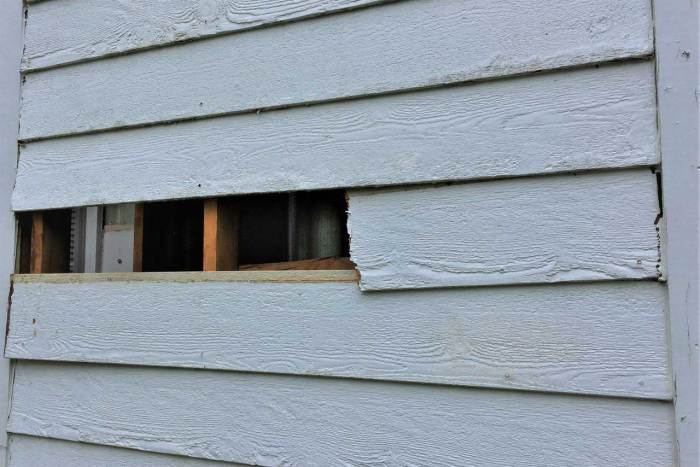
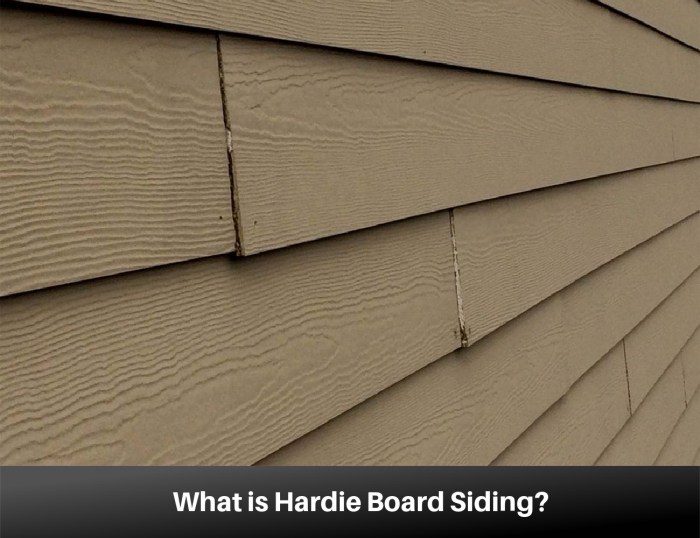
Replacing Hardie Board Siding A Comprehensive Guide
Replace hardie board siding – Replacing Hardie board siding is a significant home improvement project, requiring careful planning and execution. This guide provides a thorough overview of the entire process, from assessing your existing siding to maintaining your new installation.
The decision to replace hardie board siding often stems from damage, deterioration, or the desire for a more aesthetically pleasing or durable material. This comprehensive guide will walk you through every step, offering insights into different materials, installation methods, and contractor selection.
Introduction to Siding Replacement: Replace Hardie Board Siding
Siding replacement projects are significant home improvement endeavors, often requiring careful planning and execution. Proper planning minimizes disruptions, ensures a smooth process, and maximizes the value of the project. This involves understanding the scope of work, securing necessary permits, and choosing the right materials and installation methods. A well-planned project often leads to a more satisfying outcome.
A common thread driving these projects is the desire for enhanced curb appeal, improved energy efficiency, and a longer lifespan for the home’s exterior. Choosing the right siding type is crucial in achieving these goals.
Common Reasons for Hardie Board Siding Replacement
Homeowners frequently opt for Hardie board siding replacement due to its durability, resistance to moisture and rot, and aesthetically pleasing appearance. These features contribute to a more resilient and visually appealing home exterior. The long-term cost-effectiveness and low maintenance requirements of Hardie board are key motivators for homeowners. Other potential reasons include aesthetic preference changes or the need to address existing damage or deterioration.
Different Siding Materials and Their Characteristics
A variety of siding materials are available for home improvement projects, each with its strengths and weaknesses. Understanding these characteristics allows homeowners to make informed decisions about their choice.
- Vinyl Siding: Vinyl siding is a popular choice due to its affordability, low maintenance, and wide range of colors and styles. It’s resistant to rot and insect damage, and relatively easy to install. However, vinyl siding can be susceptible to damage from impact and may not withstand extreme weather conditions as well as other materials.
- Fiber Cement Siding (Hardie Board): Fiber cement siding, exemplified by Hardie board, is renowned for its durability and resistance to moisture, pests, and fire. Its strong dimensional stability and longevity make it a popular choice for homeowners seeking long-term protection. However, the cost of Hardie board siding tends to be higher than other options, and its installation can be more complex.
- Wood Siding: Wood siding offers a classic, natural aesthetic. However, it requires regular maintenance to prevent rot and decay. Wood siding is susceptible to moisture damage, insect infestations, and weathering, requiring periodic treatments and repairs. It’s also a more costly option in the long run, due to the maintenance demands.
Steps Involved in a Typical Siding Replacement Project
A typical siding replacement project follows a systematic approach, from initial assessment to final installation. Proper planning and execution are key to a successful outcome.
- Assessment and Planning: This stage involves evaluating the existing siding, identifying areas needing replacement, and creating a detailed plan. This plan should include the materials needed, the installation method, and a timeline for the project.
- Preparation: The preparation phase involves removing the old siding, repairing any underlying issues with the house structure, and ensuring the necessary permits are in place.
- Installation: The new siding is installed according to the manufacturer’s instructions and local building codes. Careful attention to detail and proper fastening techniques are essential.
- Finishing Touches: The final steps involve cleaning up the work area and ensuring that the new siding is properly sealed and protected.
Comparison of Siding Installation Methods
Different installation methods offer varying advantages and disadvantages, affecting cost and time. A comparison table helps homeowners make informed decisions.
| Method | Pros | Cons | Estimated Cost |
|---|---|---|---|
| Method 1: Traditional Nail Installation | Relatively inexpensive, commonly used, readily available labor. | Potential for nail pops and gaps over time, less precise fit, can be less aesthetically pleasing | $5-$10 per square foot |
| Method 2: Adhesive Installation | Improved weather sealing, less risk of gaps, and higher water resistance. | Higher upfront cost, may require specialized tools and labor, and can be more complex. | $8-$15 per square foot |
Assessing the Existing Hardie Board Siding
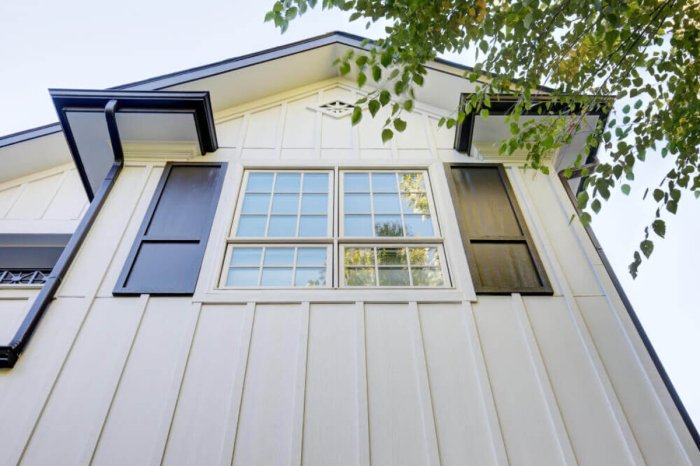
Source: bellwetherhomes.com
Properly assessing the existing Hardie board siding is crucial for a successful replacement project. This involves identifying potential problems and understanding their implications before committing to a replacement. A thorough inspection will highlight areas needing attention, ensuring the new siding is installed correctly and will last for years.
A comprehensive assessment is vital. This prevents costly errors during the replacement process, from needing repairs later to ensuring materials are purchased appropriately. Early detection of issues like damage or water damage can save time and money, leading to a smoother and more effective project.
Identifying Potential Issues
Hardie board siding, while durable, can experience various issues over time. Damage from impact, deterioration due to weather exposure, or water damage from leaks or improper drainage are common concerns. These issues, if not addressed, can compromise the structural integrity of the siding and lead to further damage.
Methods for Inspecting Siding
Visual inspection is the first step. Carefully examine the siding for any signs of damage, such as cracks, dents, or missing pieces. Look closely for discoloration, mold growth, or bubbling, which can indicate moisture intrusion. Pay attention to areas around windows, doors, and rooflines, as these are often vulnerable to water damage. A thorough visual inspection is vital.
A moisture meter can pinpoint areas with elevated moisture levels within the siding. This is particularly important in older homes or those with known water intrusion issues. Professionals can use specialized tools and techniques to assess the structural integrity of the siding and its underlying support systems.
Importance of Accurate Measurements
Accurate measurements are paramount to a successful replacement project. Incorrect measurements can lead to insufficient or excessive materials, resulting in wasted money and time. Measurements should account for the existing siding’s dimensions and the new siding’s specifications. Proper measurement is a critical step. Use precise measuring tools and double-check measurements to ensure accuracy.
Need for Professional Assessments
Complex scenarios, like extensive damage, significant water intrusion, or suspected structural issues, necessitate a professional assessment. A qualified contractor can use specialized tools and techniques to accurately diagnose the problems, estimate repair costs, and provide recommendations for the best approach to siding replacement. This is especially important when dealing with issues beyond the scope of a homeowner’s expertise.
Table of Common Hardie Board Siding Problems and Solutions
| Problem | Description | Solutions |
|---|---|---|
| Cracks and Damage | Visible cracks, dents, or missing sections on the siding. | Repair or replace damaged sections. Consider the source of the damage to prevent future issues. |
| Water Damage | Bubbling, mold growth, or discoloration indicates moisture intrusion. | Identify the source of water intrusion (e.g., leaky roof, improper drainage). Repair the source and replace damaged siding. |
| Deterioration | Fading, discoloration, or loss of structural integrity from exposure to weather elements. | Evaluate the extent of deterioration. Replace sections of siding that show signs of significant deterioration. |
| Structural Issues | Suspected problems with the underlying support system are affecting the siding. | Consult a qualified contractor for a professional inspection and assessment. |
Planning the Replacement Project
A well-structured plan is crucial for a successful Hardie board siding replacement project. This meticulous approach ensures efficiency, minimizes potential problems, and keeps the project on track from start to finish. Thorough planning saves time and money in the long run by anticipating potential challenges and addressing them proactively.
Careful planning involves anticipating and mitigating potential issues, allowing for a smoother execution of the replacement project. This includes detailed material lists, realistic timelines, and contingency strategies for unforeseen circumstances. The result is a more manageable and less stressful project experience.
Creating a Comprehensive Project Plan
A comprehensive project plan lays the foundation for a successful siding replacement. It involves defining clear objectives, outlining the steps required, and setting realistic deadlines. This process should involve careful consideration of the existing structure, the scope of the project, and any necessary permits or inspections. This detailed approach helps avoid costly mistakes and ensures the project is completed to a high standard.
Necessary Materials and Equipment
Planning the necessary materials and equipment is critical to the project’s success. This list should include all the materials required for the replacement, such as new Hardie board siding, flashing, sealant, screws, and other installation components. Additionally, essential tools like a ladder, power drill, saw, and measuring tools should be accounted for. A detailed list helps avoid last-minute purchasing and delays. Furthermore, this detailed list allows for accurate material quantities and cost estimation.
Cost Breakdown
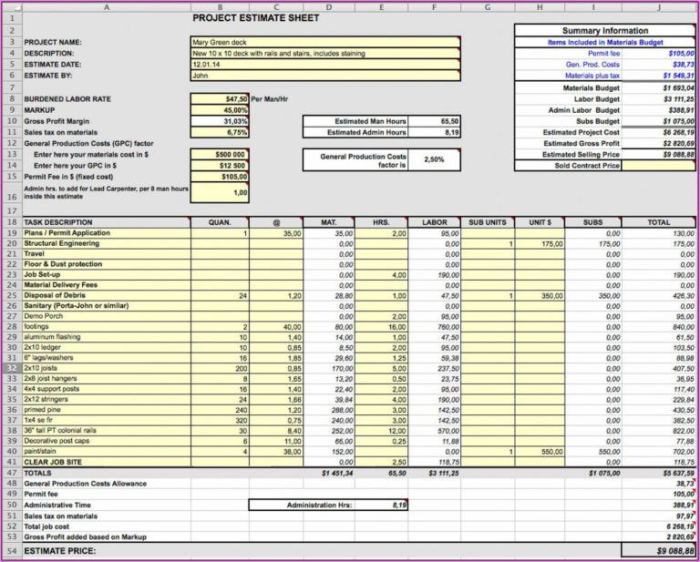
Estimating the total cost of the replacement project is essential. This includes material costs, labor charges, and any applicable permit fees. A detailed breakdown of the anticipated costs should include a range, as actual costs may vary. Consider hiring a professional contractor for accurate estimations. Example: a typical Hardie board siding replacement for a 1500 square foot house could cost between $10,000 and $20,000, including materials, labor, and permits. This range is a general guideline and may vary significantly based on specific circumstances.
Developing a Timeline
Developing a realistic timeline is crucial for managing the project effectively. This involves estimating the time needed for each stage of the project, including demolition, material delivery, installation, and cleanup. Factors like weather conditions and material availability should be considered. A sample timeline might include 2-3 days for demolition, 1-2 days for installation, and 1 day for cleanup. Accurately estimating the timeline allows for realistic expectations and prevents unnecessary delays.
Potential Project Risks and Mitigation Strategies
Unforeseen circumstances can arise during a project. A proactive approach to potential risks can help minimize disruption and keep the project on track.
| Risk | Description | Mitigation Strategy |
|---|---|---|
| Weather Delays | Unexpected rain, storms, or extreme temperatures can significantly impact the project timeline. | Develop a contingency plan for delays, considering alternative work schedules and suitable weather windows. Having backup materials readily available can help mitigate any delay. |
| Material Shortages | Delays in material delivery or unavailability can halt the project. | Establish relationships with reliable suppliers and order materials in advance. Consider having a backup material source if delays occur. |
| Substandard Workmanship | Issues with the quality of installation work may require rework or repairs. | Employ experienced and reputable contractors, and perform thorough inspections at each stage of the project. |
| Permitting Issues | Unexpected issues with permits or inspections can lead to delays. | Thoroughly research local building codes and regulations before the project commences. Work with an experienced contractor or a local building official to avoid potential problems. |
Selecting Replacement Siding Materials
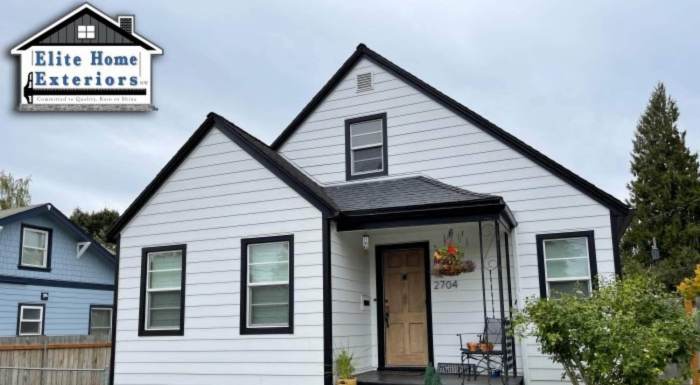
Source: elitehomeexteriorsnw.com
Choosing the right siding material for your home’s replacement project is crucial. The material you select impacts the aesthetic appeal, durability, and long-term maintenance of your home. Careful consideration of factors like climate, architectural style, and budget will guide your decision.
Selecting siding materials requires careful consideration of various factors. These include the prevailing climate conditions, the architectural style of your home, and the budget constraints. Each material has unique advantages and disadvantages that must be weighed against these factors.
Comparison of Siding Materials
Different siding materials offer varying levels of performance and aesthetics. Understanding their properties will aid in making an informed choice.
- Vinyl Siding: A popular choice due to its affordability, low maintenance, and wide range of colors and textures. Vinyl siding is resistant to rot, insect damage, and weathering, making it suitable for various climates. However, vinyl siding can be susceptible to dents and scratches. It may not be the best option for extremely high-wind areas. A good example of a climate where vinyl siding is well-suited is the southeastern United States, where it resists moisture and insects well.
- Fiber Cement Siding (Hardie Board): Known for its durability, strength, and resistance to fire, insects, and rot. It is a very popular choice for its resilience against extreme weather conditions, making it suitable for regions with high winds, heavy rains, or significant temperature fluctuations. The cost is usually higher than vinyl. A good example of where this siding excels is the Pacific Northwest, where moisture and harsh weather are common.
- Wood Siding: A classic choice offering a natural aesthetic. However, wood siding requires more maintenance than vinyl or fiber cement, needing regular staining or painting to prevent rot and insect damage. It’s best suited for climates with moderate weather and where proper maintenance is prioritized. A good example is a home in a region with temperate weather, like the Midwest, where regular maintenance can extend the life of wood siding.
- Metal Siding: A long-lasting option with excellent durability and weather resistance. Metal siding is available in various colors and styles, providing a modern aesthetic. It’s an excellent choice for high-wind regions and those prone to hail. However, metal siding can be more expensive than other options. A good example of a suitable climate is a coastal area where storms are frequent.
Matching Siding to Architectural Style
The architectural style of your home significantly influences the appropriate siding choice. Matching the new siding to the existing design ensures a cohesive aesthetic.
- Traditional homes often look best with wood or fiber cement siding, which offer a classic appearance.
- Modern homes may benefit from metal or vinyl siding, providing a contemporary look.
Types of Hardie Board Siding
Hardie board siding comes in various types, each with unique features.
- Lap Siding: A traditional style, with overlapping panels, providing a classic appearance.
- Vertical Siding: Offers a more modern look, with vertical panels for a sleek design.
- Shake Siding: Mimics the look of wood shakes, offering a natural aesthetic without the maintenance of wood.
Hardie Board Siding Colors and Textures
The following table showcases a selection of Hardie board siding colors and textures.
| Color | Texture | Image Description |
|---|---|---|
| Beige | Smooth | A smooth, light beige finish provides a neutral backdrop. |
| Gray | Wood-grain | A gray finish with a wood-grain texture, evoking a natural, rustic aesthetic. |
| Brown | Smooth | A rich brown smooth finish, suitable for traditional or contemporary designs. |
| White | Smooth | A clean, bright white finish, suitable for modern homes. |
Hiring a Contractor
Choosing the right contractor is crucial for a successful siding replacement project. A qualified and experienced contractor can ensure the job is done correctly, efficiently, and within budget. Poorly executed work can lead to costly repairs down the line and compromise the longevity of your home’s exterior.
Selecting a reputable contractor requires careful consideration and due diligence. Thorough research and a methodical approach can help you identify a contractor who understands your needs and can deliver the desired results. The following sections Artikel the steps to take to make informed decisions.
Evaluating Contractor Qualifications
Finding a qualified and experienced contractor is paramount to a successful siding replacement. Begin by seeking referrals from trusted neighbors, friends, or family members who have recently had similar projects completed. Online reviews, both positive and negative, can provide valuable insights into a contractor’s reputation and work ethic. Verify the contractor’s licensing and insurance status. A valid contractor’s license and appropriate insurance coverage demonstrate a commitment to professional standards and protect both the homeowner and the contractor in case of accidents or disputes. Ensure the contractor has a proven track record of completing similar projects successfully. Checking past projects can provide insights into their experience level and workmanship.
Selecting a Reputable Contractor
Finding a reputable contractor involves more than just checking credentials. Schedule consultations with potential contractors to discuss your project’s specifics. This allows you to assess their communication style, understanding of your needs, and ability to answer your questions. During the consultation, inquire about their experience with Hardie board siding and the specific type of siding you’ve chosen. Request detailed project timelines and cost breakdowns. A clear understanding of the proposed timeline and costs prevents misunderstandings and potential issues later. Inquire about their warranty and guarantees on materials and labor. A strong warranty demonstrates the contractor’s confidence in their work.
Evaluating Contractor Proposals
Thorough evaluation of contractor proposals is essential for making an informed decision. A comprehensive proposal should include detailed descriptions of the work scope, materials to be used, labor costs, and a clear timeline. Look for specific details about the project scope, outlining the exact procedures involved in the siding replacement. Verify the materials’ quality and their compatibility with your existing home structure. Pay close attention to the cost breakdown, separating material costs from labor charges. Review the payment schedule Artikeld in the proposal to ensure transparency. Check for any hidden costs or additional fees.
Contract Clauses to Look For, Replace hardie board siding
A well-drafted contract protects both the homeowner and the contractor. Crucial clauses to look for include a detailed description of the work, a comprehensive materials list, and specific timelines for each phase of the project. A clear and concise payment schedule protects both parties and clarifies the payment terms. Include a clause addressing the contractor’s liability for damages during the project. Be sure to include a dispute resolution mechanism to address potential conflicts.
Comparing Contractor Services
Careful consideration of contractor services is crucial to selecting the best fit for your project. A comparison of different services based on cost, reliability, and experience can help you make an informed decision.
| Service | Cost | Reliability |
|---|---|---|
| Contractor A | $10,000 – $12,000 | Excellent – based on reviews and testimonials |
| Contractor B | $9,000 – $11,000 | Good – average ratings across multiple platforms |
| Contractor C | $12,000 – $14,000 | Excellent – extensive experience in siding replacements |
Note: Costs are estimates and may vary depending on the specific project requirements. Reliability ratings are based on online reviews and feedback.
Installation and Finishing Touches
Proper installation of Hardie board siding is crucial for achieving a long-lasting and aesthetically pleasing result. Careful attention to detail, including flashing, sealing, and ventilation, is essential to prevent water damage and maintain the structural integrity of your home. This section details the procedures for a successful installation, ensuring a durable and beautiful exterior.
The installation process requires precision and attention to detail. A meticulous approach, from the initial framing to the final sealing, is critical for a successful installation. This meticulous work will safeguard against future issues and maintain the siding’s structural integrity.
Installation Procedures
Installing Hardie board siding involves several key steps. The siding should be installed according to the manufacturer’s recommendations, ensuring that the panels are correctly aligned and fastened. Each panel should be checked for proper fit and alignment to prevent gaps or misalignments. This ensures a seamless and visually appealing finish.
Flashing and Sealing Techniques
Proper flashing and sealing are critical for preventing water intrusion and moisture damage. Flashing protects areas where the siding meets other components, like roof edges, windows, and doors. These vulnerable points are prone to water damage, so meticulous attention is vital. Adequate sealing around these points is paramount to preventing water penetration. Use high-quality flashing materials and sealants designed for exterior use to maximize the protection against water damage.
Necessary Tools for Installation
A comprehensive toolkit is essential for a smooth and efficient installation. A list of essential tools includes, but is not limited to, a reciprocating saw, a utility knife, a level, a drill, various fasteners, a measuring tape, and a stud finder. These tools will assist in the various steps of the installation process. Specific tools and their purposes will depend on the exact installation method.
Ventilation Considerations
Adequate ventilation around the siding is crucial for preventing moisture buildup and rot. Proper ventilation can significantly enhance the life of the siding. Consider incorporating air gaps between the siding and the house structure to allow for proper air circulation. The use of soffit vents, ridge vents, and other ventilation strategies will greatly contribute to moisture control and the overall durability of the installation.
Finishing Touches
The finishing touches ensure a professional and aesthetically pleasing final product. The process of finishing touches involves a detailed inspection of the completed installation. Each step must be performed correctly to ensure a high-quality and long-lasting installation. This includes inspecting for any gaps, cracks, or unevenness. Ensure all fasteners are securely fastened and countersunk to maintain a seamless appearance. Clean the completed siding and address any necessary repairs or adjustments.
- Inspect the completed installation for any gaps, cracks, or unevenness. This final inspection ensures the quality of the work.
- Ensure all fasteners are securely fastened and countersunk to maintain a seamless appearance. This step is critical to ensure long-term structural integrity.
- Clean the completed siding and address any necessary repairs or adjustments. This final step ensures a pristine finish.
Maintaining Hardie Board Siding
Proper maintenance significantly extends the lifespan and aesthetic appeal of Hardie board siding. Regular care prevents premature deterioration, costly repairs, and maintains the siding’s original beauty. This proactive approach ensures your investment in Hardie board siding remains valuable for years to come.
Regular Cleaning and Inspections
Regular cleaning and visual inspections are crucial for identifying potential issues early. Addressing problems promptly prevents minor issues from escalating into major repairs. Routine checks allow for the identification of early signs of damage, such as mold growth, water stains, or loose panels.
Recommended Cleaning Products
Using the right cleaning products is essential for maintaining the integrity of Hardie board siding. Harsh chemicals or abrasive materials can damage the surface. Mild detergents or specialized siding cleaners are recommended. Avoid using bleach, strong acids, or abrasive scrubbers, as these can scratch or etch the surface. A soft-bristled brush or sponge, combined with a gentle cleaning solution, is ideal.
- A mild dish soap and water solution is a safe and effective choice for most cleaning tasks.
- Specialized siding cleaners are formulated to remove dirt and grime without harming the siding’s surface. These cleaners are readily available at home improvement stores.
- For tougher stains or mildew, a mixture of one part bleach to ten parts water can be used, but only in isolated spots and with extreme caution. Thoroughly rinse the area afterward to prevent discoloration or damage.
Preventive Maintenance Strategies
Proactive measures prevent future problems and maintain the long-term health of Hardie board siding. Addressing potential issues early can save significant time and money in the future. Early intervention is key to preserving the value of your home’s siding.
- Regularly inspect the siding for any signs of damage, such as cracks, gaps, or loose panels. Address these issues promptly to prevent further damage or water intrusion.
- Check for and promptly address any signs of moisture intrusion, such as water stains or pooling. This will prevent water damage and mold growth. Identifying and fixing leaks in gutters or downspouts is vital.
- Ensure proper ventilation around the siding to prevent moisture buildup. This helps regulate the temperature and humidity around the siding, reducing the risk of moisture damage and mold growth. Checking the roof’s condition and gutter systems is vital.
Proper Sealing and Caulking
Maintaining the integrity of seals and caulking around windows, doors, and other vulnerable areas is vital. This prevents moisture from seeping into the siding and causing damage.
- Regularly inspect and reseal any gaps or cracks around windows, doors, and other openings to prevent moisture penetration.
- Proper caulking prevents water from seeping into the siding, which is essential in maintaining its longevity. Using high-quality, exterior-grade caulk is recommended. Inspect caulking annually and reapply as needed.
Final Thoughts
In conclusion, replacing hardie board siding involves a multi-faceted approach. From initial assessment to final maintenance, this guide provides a roadmap for a successful project. By carefully considering various factors like materials, installation methods, and contractor selection, you can ensure a high-quality and long-lasting result.