Siding Replacement Estimate Your Guide
Siding replacement estimate sets the stage for a detailed look at the factors influencing your project’s cost. Understanding these nuances is key to making informed decisions, whether you’re tackling a full-scale replacement or a targeted repair. We’ll explore the many elements that impact your final budget, from material choices to labor costs, and offer practical strategies for getting accurate estimates and comparing options.
This comprehensive overview will cover everything from understanding various siding materials and their price ranges to identifying crucial factors like property size and project complexity. You’ll also learn how to obtain accurate estimates from contractors, compare different quotes, and even visualize the costs involved with detailed infographics and tables. We’ll equip you with the knowledge and tools necessary to make your siding replacement project a smooth and financially sound one.
Understanding Siding Replacement Costs
Source: idtcenter.org
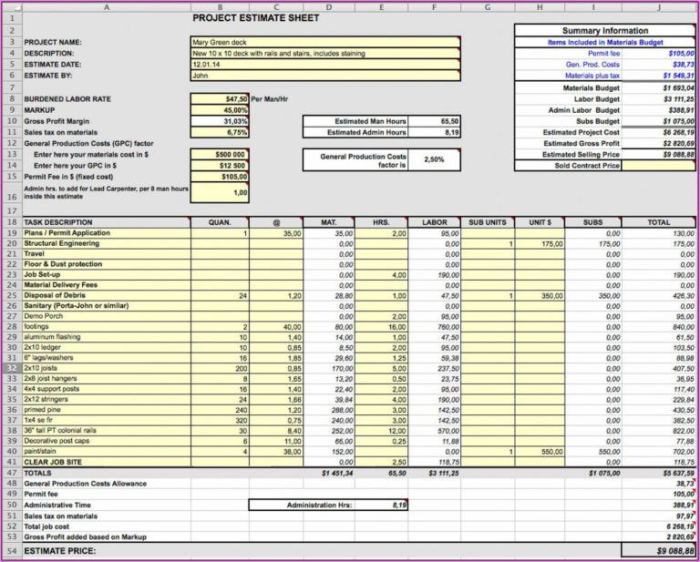
Siding replacement is a significant home improvement project, and understanding the associated costs is crucial for planning and budgeting. Accurate estimates consider numerous factors, from material choices to labor expenses and market conditions. This overview provides a detailed analysis of the various elements impacting siding replacement costs.
Factors Affecting Siding Replacement Estimates
Several key factors influence the overall cost of a siding replacement project. Material selection, labor rates, and project specifics, like the size of the home and complexity of the job, all contribute to the final estimate. Furthermore, geographic location and market conditions play a substantial role. For instance, a project in a region with high labor costs will likely have a higher overall price tag.
Types of Siding Materials and Cost Ranges
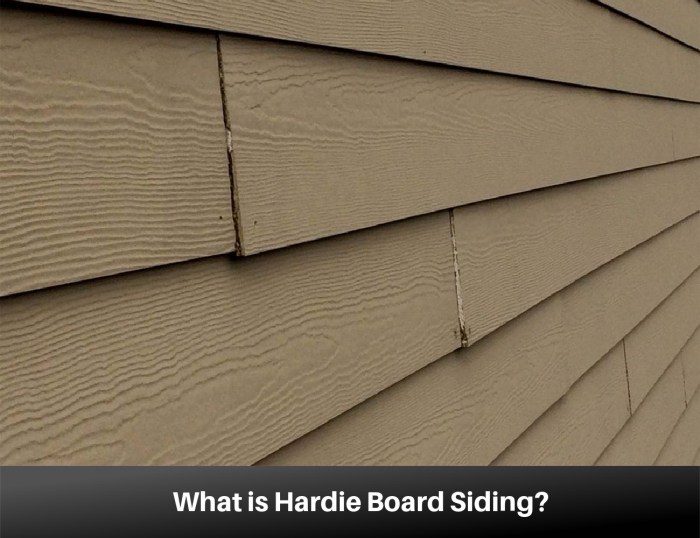
Different siding materials offer varying aesthetics and durability, each with its own associated price point. Vinyl siding is a popular choice due to its affordability and low maintenance. Fiber cement siding, known for its longevity and resilience to weather, typically carries a higher price tag. Wood siding, while offering a classic look, requires more maintenance and often has a higher cost compared to vinyl or fiber cement.
- Vinyl siding: Generally considered the most affordable option, vinyl siding installation costs can range from $2 to $5 per square foot, depending on the complexity of the project. Its low maintenance and durability make it a popular choice for homeowners on a budget.
- Fiber cement siding: Offering superior durability and weather resistance, fiber cement siding typically costs between $5 to $8 per square foot, with installation costs adding to the total.
- Wood siding: Engineered wood siding is often more expensive than vinyl or fiber cement. Installation costs are generally higher due to the need for specialized carpentry and regular maintenance. Expect to pay from $6 to $10 per square foot, or even more for custom designs.
- Metal siding: Metal siding, often made from aluminum or steel, provides excellent durability and a modern aesthetic. Its cost can range from $6 to $12 per square foot, with higher costs for more complex designs or specific finishes.
Installation Methods: Professional vs. DIY
Choosing between professional installation and a DIY approach significantly impacts the overall cost. Professional installation ensures quality workmanship, adherence to building codes, and warranties, though it carries higher labor costs. A DIY approach, while potentially saving money on labor, may result in lower quality work, increased time commitment, and potential safety concerns. Thorough research and consideration of personal skills are essential before deciding.
Influence of Labor Costs
Labor costs represent a substantial portion of the total siding replacement estimate. Factors such as the size of the project, the complexity of the job, and the geographic location of the project significantly impact labor costs. A large-scale project in an area with high labor rates will inevitably result in a higher overall labor cost. For example, replacing siding on a large, multi-story home will require more labor hours than replacing siding on a smaller home, impacting the labor cost.
Impact of Material Availability and Market Trends
Material availability and market trends also influence siding replacement costs. Shortages in supply can drive up prices, while market fluctuations can affect the cost of raw materials and transportation. Homeowners should be aware of these potential price variations when planning their projects.
Average Cost Per Square Foot Comparison
| Siding Type | Average Cost per Square Foot (USD) |
|---|---|
| Vinyl | $3 – $5 |
| Fiber Cement | $6 – $8 |
| Wood | $6 – $10 |
| Metal | $7 – $12 |
Note: These figures are approximate and can vary based on specific factors. Detailed estimates should be obtained from qualified contractors.
Factors Influencing Siding Replacement Estimates
Source: cdn-website.com
Siding replacement projects, while often necessary for maintaining a home’s curb appeal and structural integrity, can vary significantly in cost. Understanding the factors that influence these estimates is crucial for homeowners to plan effectively and avoid surprises during the process. A thorough understanding of these factors can help in making informed decisions about the project.
Many factors can affect the overall cost of a siding replacement. These include not only the materials used and labor involved but also the specific characteristics of the property, such as size, the complexity of the project, and the condition of the existing siding. Accurately estimating these factors can provide homeowners with a more realistic and comprehensive understanding of the total cost of the project.
Property Size and Square Footage
The size of a home plays a significant role in determining the total cost of a siding replacement project. Larger homes with extensive exterior surfaces require more materials and labor, naturally leading to higher estimates. A house covering 2,500 square feet will generally have a higher siding replacement cost than a smaller home of 1,000 square feet, assuming similar materials and labor costs. The square footage directly correlates with the amount of siding needed, impacting the total project cost.
Project Complexity
The complexity of the project is another critical factor influencing the estimate. Simple replacements of existing siding might involve just removing the old siding and installing new materials. More complex projects might require additional work, such as repairs to the house structure, roof repairs, or window replacements. If a home needs significant repairs in addition to the siding replacement, the total cost will increase substantially. For example, a complete replacement of siding on a house with a damaged roof will have a higher estimate than a simple siding replacement on a structurally sound home.
House Style and Design
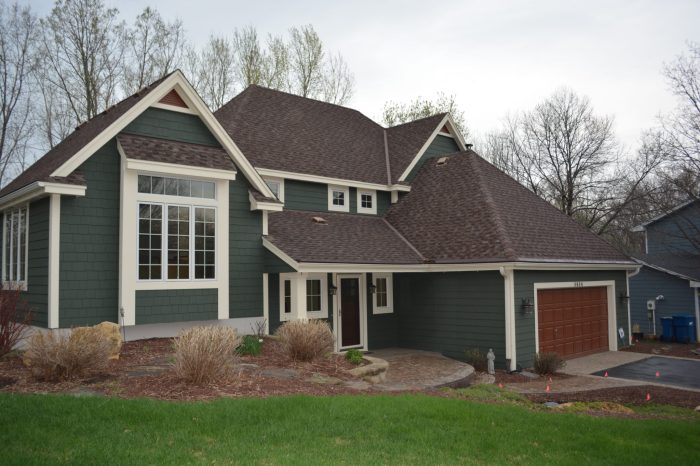
Different house styles can impact siding replacement costs. A home with intricate architectural features or unique design elements might require specialized siding types or installation techniques, leading to increased costs. For instance, a home with numerous dormers or a steeply pitched roof might have more complex siding installations, requiring specialized expertise and materials, leading to a higher cost estimate compared to a simpler, more straightforward house style.
Condition of Existing Siding
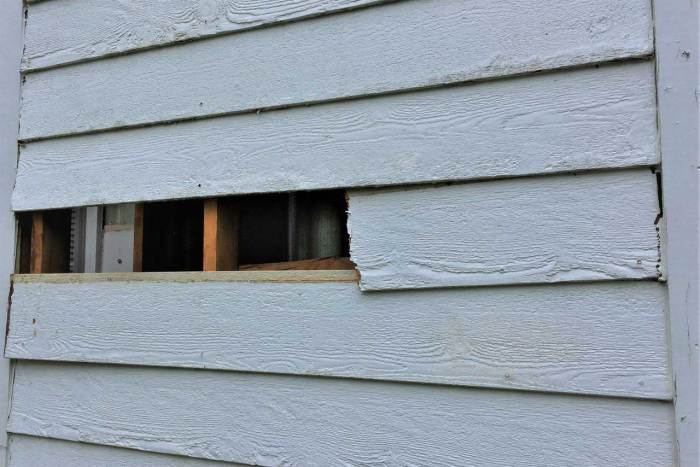
The condition of the existing siding significantly affects the estimate. If the siding is in poor condition, requiring extensive repairs or replacement of damaged sections, the cost will be higher. For example, severely damaged siding that is rotting or warped will require significant repairs or replacement, which will increase the cost substantially compared to siding that is only slightly weathered.
Additional Costs for Specialized Work
| Specialized Work | Potential Additional Costs |
|---|---|
| Window Replacement | Significant. Replacing windows during a siding project can add thousands of dollars to the total estimate, depending on the number and type of windows. |
| Roof Repair | Potentially substantial. If roof repairs are needed, these costs should be considered separately from the siding replacement estimate. |
| Framing Repairs | Variable. Depending on the extent of framing damage, the cost of repairs can add significantly to the total estimate. |
| Specialized Materials | It can vary widely. The use of unusual or custom materials will affect the overall cost. |
Additional costs can significantly influence the total project cost. These costs can vary widely depending on the specific situation and the complexity of the work involved.
Gathering Accurate Siding Replacement Estimates
Source: octanecdn.com
Securing a reliable siding replacement estimate is crucial for a successful project. Understanding the process and factors involved ensures a transparent and fair agreement with contractors, minimizing potential issues down the line. This process involves careful planning, detailed communication, and a thorough evaluation of the project’s scope.
Organizing a Step-by-Step Process for Obtaining Estimates
A structured approach to obtaining estimates facilitates a smooth and informed decision-making process. This involves several key steps: initial contact, scheduling a consultation, obtaining a detailed proposal, and finalizing the contract. Each step provides an opportunity to clarify project specifics and ensure the contractor understands your requirements.
Questions to Ask Contractors for a Detailed Estimate, Siding Replacement Estimate
Thorough questioning is essential to understand the scope of work and the contractor’s approach. A detailed estimate necessitates inquiries about the materials used, the labor involved, the timeline for completion, and potential contingency plans. These questions help to evaluate the contractor’s expertise and understanding of the project. Essential inquiries include details on the type of siding, the warranty offered, the method of installation, and the specific labor costs. Asking about project management and communication strategies is also important.
Importance of Obtaining Multiple Estimates
Comparing quotes from multiple contractors provides valuable insights. This comparative analysis allows for a clear understanding of pricing variations and the quality of service offered by different providers. Contractors with competitive pricing and strong project management skills should be considered. Consider the contractor’s reputation, experience, and past client reviews when evaluating their services.
Inspecting Existing Siding for Damage or Rot
A thorough inspection of the existing siding is critical for an accurate estimate. Identifying areas of damage or rot will help determine the extent of the necessary repairs or replacements. This inspection process involves carefully examining the siding for signs of decay, moisture damage, or structural issues. By accurately assessing the condition of the existing siding, contractors can provide a precise estimate reflecting the actual work needed.
Providing Accurate Measurements of the Property
Precise measurements are crucial for a reliable estimate. This ensures the contractor accurately calculates the materials required for the replacement. Accurate measurements minimize potential errors and ensure that the project proceeds efficiently. Using professional measuring tools or hiring a surveyor can ensure accuracy.
Comparing Contractors’ Services and Fees
A comparative analysis of different contractors’ services and fees is helpful in making informed decisions. A table summarizing the key aspects of each contractor’s proposal will assist in the evaluation process. This allows a comprehensive overview of pricing, materials, and services offered by various contractors. This information will aid in selecting the most suitable contractor for the job.
| Contractor | Materials | Labor Cost | Warranty | Timeline | Total Estimate |
|---|---|---|---|---|---|
| ABC Siding | Vinyl Siding | $5,000 | 5 Years | 6 Weeks | $12,000 |
| XYZ Construction | Fiber Cement Siding | $6,500 | 10 Years | 8 Weeks | $15,000 |
| Home Improvement Solutions | Wood Siding | $4,800 | 3 Years | 5 Weeks | $11,500 |
Comparing Siding Replacement Estimates
Scrutinizing different siding replacement quotes is crucial for homeowners. A well-informed comparison considers various factors, including materials, labor costs, and warranties, to ensure the best possible value for the investment. Understanding hidden costs and evaluating contractor credentials are also vital parts of the process.
Material, Labor, and Warranty Comparisons
Different siding materials, from vinyl to fiber cement, have varying price points and lifespan expectations. Labor costs also fluctuate based on project size, complexity, and the contractor’s experience. Comparing these elements side-by-side allows for a more objective assessment of each estimate. Warranties are essential for future protection; thorough scrutiny of the warranty terms and coverage is critical. For example, a five-year warranty might seem attractive, but the fine print could exclude certain conditions. Look for warranties that cover both materials and labor, and check the length of coverage against comparable offerings.
Understanding Hidden Costs in Estimates
Hidden costs can significantly impact the final project price. Review estimates carefully for any extra charges like permits, disposal fees, or cleanup. Some contractors might not explicitly itemize these costs in the initial quote, which can lead to unpleasant surprises later on. For example, a contractor might quote a price for the siding itself, but then charge extra for removing the old siding, even though it’s part of the job. Always ask clarifying questions about any ambiguous items.
Importance of Contractor Reviews and Credentials
Contractor reviews provide valuable insights into a company’s reputation and work ethic. Online reviews from previous clients offer a glimpse into the quality of work, communication, and professionalism. Checking contractor licenses and insurance verifies their legitimacy and liability protection. A licensed and insured contractor demonstrates accountability and reduces the risk of unforeseen issues during or after the project. A contractor with a strong track record of positive reviews and verifiable licenses and insurance is generally a better choice.
Negotiating a Fair Price
Negotiation is a crucial step in securing a fair price. Armed with knowledge of material costs, labor rates, and competitive quotes, homeowners can negotiate for better terms. Be prepared to discuss concerns about specific elements of the quote and offer alternative solutions if needed. For example, a homeowner might request a lower price if the contractor agrees to use a slightly less expensive material.
Visual Representation of Cost Breakdown
| Contractor | Material Cost | Labor Cost | Permit Fee | Total Cost |
|---|---|---|---|---|
| ABC Siding | $5,000 | $3,000 | $150 | $8,150 |
| XYZ Construction | $4,500 | $3,500 | $200 | $8,200 |
| Pro Siding Solutions | $4,800 | $3,200 | $100 | $8,100 |
This table displays a sample comparison of estimates from different contractors. Note the variability in pricing and the importance of examining all components.
Detailed Siding Replacement Contract Review
A detailed siding replacement contract is a crucial document that Artikels the specifics of the project. Review the contract thoroughly for accuracy and clarity. Verify that all agreed-upon terms, including payment schedules, warranties, and project timelines, are clearly documented. Check for provisions related to damages, liabilities, and dispute resolution. Pay attention to the clauses related to material defects, delays, and cleanup. Ensure all agreed-upon specifications, including the type of siding, colors, and any unique features, are explicitly detailed. Also, ensure the contract clearly states who is responsible for each aspect of the job, from material delivery to final cleanup.
Visual Representation of Siding Replacement Costs: Siding Replacement Estimate
Understanding the financial implications of siding replacement is crucial for homeowners. This section provides visual aids to help you grasp the various factors influencing the overall cost and make informed decisions. A clear breakdown of costs, comparative analyses, and potential savings can empower you to budget effectively.
Infographic Breakdown of a Typical Estimate
This infographic visually displays the key components contributing to a siding replacement estimate. It’s designed to be easily digestible, highlighting material costs, labor expenses, permit fees (if applicable), and any additional project-related costs. The graphic will clearly separate these elements and provide a concise overview. A pie chart, for example, could illustrate the proportion of each cost component, while a bar graph could show the relative magnitude of materials versus labor costs.
Estimated Costs for Different Siding Types
This table provides a general overview of estimated costs for different siding types, taking into account square footage. It’s important to remember that these are estimates and actual costs may vary based on specific project details.
| Siding Type | Estimated Cost per Square Foot (USD) |
|---|---|
| Vinyl | $5-$15 |
| Fiber Cement | $10-$20 |
| Wood | $15-$25 |
| Metal | $15-$25 |
Cost Difference Between Partial and Complete Replacements
A partial siding replacement involves only replacing damaged or deteriorated sections, while a complete replacement involves replacing all the existing siding. Naturally, a complete replacement will be more expensive than a partial one, due to the increased amount of material and labor needed. The cost difference depends on the extent of the damaged area. A homeowner with a small section of damaged siding would likely find a partial replacement significantly cheaper than a complete one.
Factors Affecting Overall Cost
This diagram illustrates the interrelation of various elements influencing the total cost of a siding replacement project. Factors such as material selection, labor rates, permits, and any required repairs (e.g., roof repairs) will be shown in the diagram. The diagram would use arrows to show the connections between factors and the overall cost.
Potential Savings from Choosing a More Affordable Material
Selecting a more affordable siding material, like vinyl, can significantly reduce the overall cost of the project compared to more expensive options like fiber cement or wood. While some materials may offer longer warranties, the difference in initial cost can be substantial. This section presents a simple calculation to demonstrate the potential savings based on a realistic square footage and material cost comparison.
Realistic Scenario of a Siding Replacement Project
Consider a homeowner with a 2,000 square foot house who wants to replace their vinyl siding with fiber cement siding. Assuming average labor rates and material costs, the total cost might range from $20,000 to $30,000. This includes material costs (approximately $15 per square foot for fiber cement), labor costs (around $5 per square foot for installation), and potential permit fees. The precise cost depends on factors like the specific siding brand, labor rates in the local area, and any additional project requirements.
Last Recap
In conclusion, understanding the siding replacement estimate process is crucial for any homeowner embarking on this type of project. This guide has provided a thorough breakdown of the costs, factors, and steps involved. By considering material types, labor expenses, and project specifics, you can create a realistic budget and confidently approach contractors. Remember to gather multiple quotes, compare estimates carefully, and ensure a clear understanding of any hidden costs. Ultimately, with careful planning and informed decision-making, you can successfully navigate the process and achieve a siding replacement project that meets your needs and budget.