Termite Resistant Siding A Comprehensive Guide
Termite resistant siding is crucial for protecting your home from these destructive pests. Choosing the right material is key to long-term structural integrity. This guide delves into various types of termite-resistant siding, examining their properties, installation, and costs, ultimately empowering you to make informed decisions.
From vinyl’s durability to fiber cement’s strength, and metal’s longevity, we’ll explore the pros and cons of each material. A comparative table will highlight key features, helping you weigh cost, maintenance, and environmental impact to find the perfect solution for your needs. We’ll also cover installation best practices, common mistakes to avoid, and ongoing maintenance to ensure lasting protection.
Introduction to Termite-Resistant Siding: Termite Resistant Siding
Termite-resistant siding is a crucial component in residential construction, offering long-term protection against the destructive forces of termites. Proper selection of siding materials can significantly reduce the risk of costly repairs and structural damage. By understanding the different types of siding and their susceptibility to termites, homeowners can make informed decisions to safeguard their investments.
The presence of termites in a home’s siding can lead to substantial structural damage, necessitating costly repairs and replacements. This often results in significant financial burdens and disruptions to the homeowner’s lifestyle. Preventing termite infestation is therefore a key element in maintaining the integrity and value of a home.
Common Types of Wood Siding and Their Susceptibility to Termites
Wood siding, while aesthetically pleasing, is particularly vulnerable to termite infestation. Different types of wood vary in their resistance to termites, with some species being more prone to attack than others. Pressure-treated lumber, while offering some protection, is not completely termite-proof. Regular inspection and preventative measures are essential to mitigate the risk of termite damage to wood siding.
Examples of Termite-Resistant Siding Materials
Several materials are designed to resist termite damage, offering long-term protection for homes. Vinyl, fiber cement, and metal siding are prominent examples, each with unique characteristics that contribute to their termite resistance.
Comparison of Termite-Resistant Siding Options
| Material | Pros | Cons | Cost |
|---|---|---|---|
| Vinyl | Highly resistant to moisture and rot, including termite damage; low maintenance; wide range of colors and styles; relatively inexpensive compared to other options. | Can be prone to fading or discoloration over time; may not be as aesthetically pleasing as some natural materials; can be susceptible to impact damage; less durable in extreme weather conditions. | Moderate to low |
| Fiber Cement | Excellent resistance to moisture, rot, and termite damage; long lifespan; strong and durable; fire-resistant; various colors and textures; good insulation value. | Can be heavier than other options, requiring more robust support structures; more expensive than vinyl; installation can be more complex. | High |
| Metal (e.g., aluminum, steel) | Extremely durable and resistant to termite damage; long lifespan; low maintenance; resistant to moisture, rot, and fire; wide range of colors and finishes. | Can be susceptible to dents or scratches; may not offer the same aesthetic appeal as other materials; installation may require specialized tools and techniques; often more expensive than vinyl. | High |
Types and Characteristics of Termite-Resistant Siding
Source: bigeasysiding.com
Termite-resistant siding is crucial for protecting homes from costly damage caused by these destructive insects. Choosing the right material is essential for long-term structural integrity and preventing costly repairs. Various materials offer varying degrees of termite resistance, and understanding their characteristics is key to informed decision-making.
Understanding the specific composition and manufacturing processes of different siding materials is paramount in determining their effectiveness against termites. Different materials exhibit varying degrees of inherent resistance, and this resistance is often a result of the material’s composition and its ability to prevent termite access and harborage.
Composition and Manufacturing Processes of Termite-Resistant Siding Materials
Various materials are used in the production of termite-resistant siding, each with unique characteristics. Vinyl, fiber cement, and metal are common choices, each with distinct advantages and disadvantages. The composition and manufacturing processes significantly influence the material’s ability to withstand termite infestations.
- Vinyl Siding: Vinyl siding is composed primarily of polyvinyl chloride (PVC). Its production involves a process where PVC resin is melted, molded, and then extruded into long panels. The smooth, non-porous surface of vinyl siding makes it difficult for termites to gain access. This inherent property, combined with its durability, contributes to its termite-resistance.
- Fiber Cement Siding: Fiber cement siding is a composite material made from Portland cement, wood fibers, and other additives. The cement binder creates a dense, strong structure that termites find difficult to penetrate. The manufacturing process involves mixing the ingredients, forming the siding panels, and curing them under controlled conditions. The high density and composition of fiber cement makes it highly resistant to termite damage.
- Metal Siding: Metal siding, often made of aluminum or steel, is incredibly resistant to termite infestation. The smooth, non-porous nature of the metal prevents termites from establishing nests or gaining access. The manufacturing process involves shaping metal sheets into siding panels. The hardness and non-porous nature of metal makes it a superior choice for termite resistance.
Grades or Types of Termite-Resistant Siding
Different grades or types of termite-resistant siding may exist, particularly in fiber cement siding. These grades often vary based on the density of the material, its chemical composition, and the specific manufacturing processes used. While the primary materials are designed to be termite-resistant, variations in manufacturing or material composition can affect performance. Higher density and specific formulations often result in greater resistance.
Durability and Lifespan of Termite-Resistant Siding Materials
The durability and lifespan of termite-resistant siding materials vary based on factors such as material composition, environmental conditions, and proper installation. Vinyl siding, for example, is known for its long-lasting durability and resistance to rot and decay, contributing to its overall lifespan. Fiber cement siding also boasts a considerable lifespan due to its inherent strength and resistance to the elements. Metal siding is known for its extreme longevity and durability. Proper maintenance and regular inspections can significantly extend the lifespan of any siding type.
Resistance of Siding Materials to Different Termite Types
The effectiveness of various siding materials against different termite types can vary. This table illustrates the resistance levels of vinyl, fiber cement, and metal siding to three common termite species. Note that these are general observations and specific performance may vary.
| Siding Material | Termite Type 1 Resistance | Termite Type 2 Resistance | Termite Type 3 Resistance |
|---|---|---|---|
| Vinyl | High | High | High |
| Fiber Cement | Very High | Very High | Very High |
| Metal | Extremely High | Extremely High | Extremely High |
Installation and Maintenance of Termite-Resistant Siding
Proper installation and ongoing maintenance are crucial for maximizing the lifespan and termite resistance of siding. Neglecting these aspects can compromise the structural integrity and aesthetic appeal of the home, ultimately leading to costly repairs. A well-maintained termite-resistant siding system can provide years of protection and peace of mind.
Careful installation practices, along with regular inspections and maintenance, are vital for preserving the effectiveness of termite-resistant siding. These measures ensure the siding remains a reliable barrier against termite infestations, preventing costly damage and the need for costly replacements.
Installation Steps for Termite-Resistant Siding, Termite resistant siding
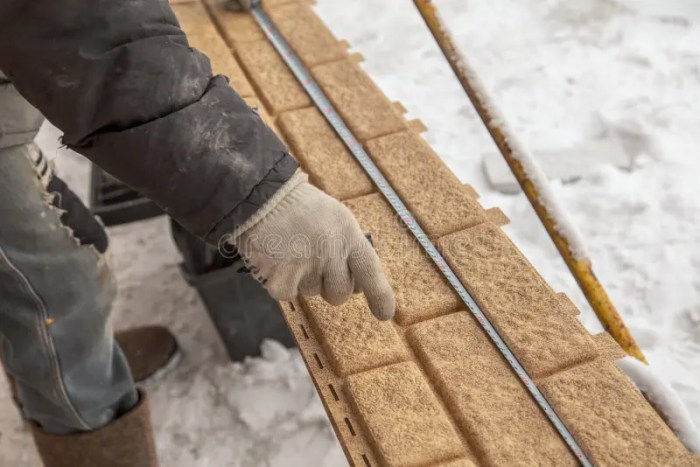
The installation of termite-resistant siding requires meticulous attention to detail to ensure its long-term effectiveness. Properly installed siding acts as a strong barrier against termite activity.
Step 1:  Thorough site preparation is paramount. This involves removing any existing siding, ensuring the sheathing is sound, and leveling the surface.  Inspect for any existing termite damage and address it before proceeding.
Step 2:  Installing the appropriate flashing and trim elements is essential. This step protects the siding from moisture damage, a key factor in creating a termite-resistant barrier. Carefully seal any gaps or crevices.
Step 3:  Precisely follow the manufacturer's instructions for installing the siding panels. Correctly adhering to the specifications is critical for achieving optimal performance.  Pay particular attention to the required spacing and overlaps.
Step 4:  Connecting the siding to the framing and ensuring proper support is a crucial step.  Use appropriate fasteners and follow manufacturer's guidelines for secure attachment.
Step 5:  After completing the installation, thoroughly inspect the entire system for any gaps, openings, or loose connections.  These issues can lead to moisture penetration and attract termites.
Common Installation Mistakes and Their Impact
Several mistakes during installation can compromise the termite resistance of siding.
- Inadequate sealing around windows and doors: This creates entry points for moisture and potentially termites, weakening the siding’s protective barrier. Improper sealing compromises the entire system.
- Using improper fasteners: Using fasteners that are too small or weak compromises the integrity of the siding, allowing for termite entry. Using the correct size and type of fasteners is crucial.
- Insufficient ventilation: Poor ventilation can lead to moisture buildup, creating an ideal environment for termite activity. Ensure proper ventilation behind and around the siding to prevent moisture.
- Skipping the inspection process: Failure to thoroughly inspect the installation process for any potential issues can lead to termite entry points. This step is crucial for effective termite resistance.
Maintenance Procedures for Termite-Resistant Siding
Regular maintenance is crucial for maintaining the effectiveness of termite-resistant siding. Prompt attention to any issues can prevent costly repairs and extend the lifespan of the siding.
- Regular Inspections: Visual inspections of the siding for any signs of damage or unusual activity are essential. Look for any signs of insect activity, such as droppings or tunneling, and address any issues immediately. Inspect for water damage, loose or damaged panels, and other potential problems.
- Prompt Repair: Addressing any identified issues promptly is crucial to prevent further damage. Repair any loose panels or damaged areas to prevent termite entry. Repairing minor issues prevents significant damage.
- Cleaning and Sealing: Regular cleaning and sealing of the siding can help prevent moisture buildup, reducing the risk of termite infestation. Regular cleaning removes debris that could attract termites.
Inspecting for Termite Damage
Regular inspections are key to catching termite damage early. Early detection minimizes the extent of the damage and allows for prompt remedial action.
- Look for mud tubes: These are telltale signs of termite activity. Mud tubes are small tubes that termites create as they travel through the soil. Look closely for these tubes near the base of the siding or within the siding itself.
- Check for damaged wood: Look for signs of hollowed-out wood or areas that appear weakened or soft. Termites can cause significant damage to the wood supporting the siding.
- Inspect for droppings: Small, dark droppings are another indicator of termite activity. These are often found near the siding. Termite droppings are a clear sign of an active infestation.
Environmental Impact of Termite-Resistant Siding
Source: coastalroofingtx.com
Choosing termite-resistant siding involves careful consideration of its environmental footprint. Different materials have varying impacts on resource consumption, waste generation, and overall sustainability. This section explores the environmental implications of various termite-resistant siding options, from manufacturing to disposal.
The environmental impact of any building material extends beyond its initial production. The lifecycle assessment of siding, encompassing manufacturing, installation, maintenance, and eventual disposal, is crucial for evaluating its overall sustainability. Factors like the embodied energy in materials, the water consumption during manufacturing, and the potential for reuse or recycling all contribute to the comprehensive environmental profile.
Resource Consumption During Manufacturing
The manufacturing of termite-resistant siding materials often involves significant resource consumption. The raw materials used, energy required for processing, and emissions generated during production all contribute to the overall environmental impact. Wood-based siding treated with preservatives, for instance, might require more energy compared to composite or metal options. Understanding the resource intensity of each material is crucial for informed decisions.
Recycling and Disposal Options
Proper disposal and recycling practices are vital for minimizing the environmental burden of termite-resistant siding. While some materials, like treated wood, may have limited recycling options, efforts to improve recycling infrastructure and promote responsible disposal can significantly reduce waste. Specific guidelines for recycling and disposal should be consulted for each material type. The existence of specialized facilities for wood recycling or metal processing is an important factor.
Long-Term Environmental Benefits of Using Termite-Resistant Siding
The long-term environmental benefits of using termite-resistant siding often outweigh the immediate environmental impact of manufacturing. Reduced maintenance and extended lifespan of the siding can lessen the need for frequent replacements, which, in turn, decreases the overall consumption of resources over time. Minimizing the frequency of replacement translates into a smaller carbon footprint throughout the siding’s lifespan. For example, termite-resistant siding with a longer lifespan reduces the need for frequent replacements, thus lowering the environmental impact.
Comparison of Environmental Footprint of Various Siding Materials
| Siding Material | Resource Consumption (Estimated) | Recycling Potential | Lifespan |
|---|---|---|---|
| Pressure-treated wood | Moderate | Limited | 20-30 years |
| Composite siding | High, but potentially lower than wood over time due to durability | Moderate | 30-50 years |
| Metal siding (e.g., aluminum, steel) | High initially, but potentially lower over time due to recyclability and longevity | High | 50+ years |
| Vinyl siding | Low | Moderate | 25-35 years |
This table provides a general comparison of resource consumption, recycling potential, and lifespan for different termite-resistant siding materials. The specific environmental impact can vary based on manufacturing processes, local regulations, and end-of-life management practices. Factors like the region’s energy mix and transportation methods also influence the total carbon footprint. It is important to consider all these factors when making a choice.
Concluding Remarks
In conclusion, selecting termite-resistant siding is a significant investment in your home’s future. This comprehensive guide has explored the various options available, considering material properties, installation, costs, and environmental impact. By carefully evaluating these factors, homeowners can make an informed decision that safeguards their property and contributes to a sustainable approach to home improvement.